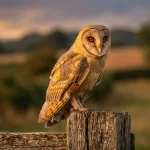
Owls have long captivated our imaginations with their mysterious ways and unique beauty. But as the allure of these enchanting birds grows, a pertinent question emerges: Are owls suitable pets? This article explores the pros and cons of owl ownership, providing insights into their care, social needs, and appropriate living conditions. Whether you’re simply curious about these fascinating creatures or considering making one a part of your family, understanding their specific requirements is essential. Join us as we delve into the realities of keeping owls, offering a balanced perspective that will help you make an informed decision. Your journey into the world of these remarkable birds starts here.
Owning an Owl: A Unique Adventure
Owning an owl presents a fascinating journey filled with unique challenges and delights. These remarkable birds, often seen as symbols of wisdom, bring a level of mystery and companionship that is unmatched by more traditional pets. However, potential owners must understand that this adventure is not for everyone. For those who are captivated by the idea of sharing their lives with such an extraordinary creature, the experience can be both fulfilling and transformative.
First and foremost, prospective owl owners should be aware that these birds have distinct needs that are greatly different from those of parrots or canaries. Owls are primarily nocturnal, which means their most active periods occur during the night. This nocturnal behavior influences their care. They often require a dark, quiet environment during the day, along with ample space for flight and exercise. Unlike typical pets, owls also thrive best in an environment that mimics their natural habitat-outdoor aviaries with plenty of enrichment options can be particularly beneficial.
Additionally, the bond formed with an owl can be incredibly rewarding. Owls are intelligent and can display unique personalities, with some becoming quite interactive with their caretakers. However, developing this bond requires patience and consistent engagement. The time investment includes understanding their vocalizations and behavior, which can indicate their needs or mood. Over time, a well-cared-for owl can become a loyal companion, but expectations for interaction should be tempered with the knowledge that they are not domesticated animals in the traditional sense.
Overall, while the journey of owning an owl can be a unique and exhilarating experience, it requires careful consideration of their specific needs and a commitment to their care. This adventure may not be for everyone, but for those with the passion and dedication, the reward of having an owl as part of your life can be truly magical.
Pros of Owning an Owl as a Pet
Owning an owl can be a profoundly rewarding experience for those enchanted by these enigmatic birds. One of the most compelling advantages of having an owl as a pet is the opportunity to bond with a highly intelligent creature, often displaying unique and intriguing personalities. Unlike many traditional pets, owls are known for their strong instincts and perceptive nature, making interactions engaging and often surprising. Their social behaviors, like cooing or interacting with their owners during twilight hours, can create a deeply fulfilling companionship for those prepared to invest the time and effort.
The rarity of pet owls adds to their allure. Many people are fascinated by the idea of caring for an animal that is not only beautiful but also somewhat mysterious. Their majestic appearance and unique characteristics can serve as great conversation starters, turning your living space into a mini-wildlife sanctuary. Owning an owl can inspire curiosity and learning, leading to appreciation for wildlife conservation. Furthermore, some species of owls are less demanding in terms of social interaction compared to dogs or cats, making them more suited for owners who may have busy lifestyles.
Moreover, the chance to observe and understand their natural behaviors up close is a treat for bird enthusiasts. Owls exhibit fascinating hunting techniques and can be trained for specific activities, like hunting prey in an outdoor setting under careful supervision. This interaction not only enriches their lives but allows the owner to participate in a traditional practice, replete with history and cultural significance.
Owls may also bring an element of tranquility to your home. Often behaving in a more subdued manner than rambunctious animals, they can provide a calming presence. The soothing sounds of their calls can be both meditative and fascinating, offering a connection to nature that is increasingly rare in our industrialized world. All these factors make the prospect of fostering an owl a unique adventure worthy of serious consideration for passionate and dedicated individuals.
For those ready to embark on this unique journey, understanding the species-specific traits and preferences involved can further enhance the satisfaction of owl ownership. By appreciating their distinct needs and behaviors, you can create an enriching environment that allows both you and your owl to thrive.
Cons of Having an Owl at Home
Owning an owl can be a fascinating pursuit, but it’s crucial to recognize the challenges that come with these majestic creatures. One of the most significant concerns for potential owl owners is the considerable commitment required in terms of time and resources. Unlike more conventional pets, such as dogs or cats, owls are not domesticated animals and have very specific needs that must be met for their health and happiness. For example, they require a quiet environment, comfortable temperature regulation, and specialized diets that can be challenging to provide consistently.
Moreover, understanding owl behavior is essential for avoiding common pitfalls. Owls are known for their strong instinctual drives, which can manifest in ways that may not be compatible with a typical household setting. Their nocturnal nature means they are most active at night, which can disrupt the routine of household members. Additionally, if they feel threatened or stressed, they may exhibit aggressive behaviors, which can lead to injury for both the owner and the bird. Gaining an understanding of body language and vocalizations is vital to nurturing a safe and loving environment.
Another factor to consider is the legal implications of ownership. Depending on your location, there may be strict regulations regarding the keeping of owls as pets. In many areas, permits are required, and specific breeding practices must be followed. Owning an owl without the proper documentation can lead to fines or even confiscation of the animal. Therefore, it’s essential to research and fully understand local wildlife laws before considering owl ownership.
Finally, potential medical issues should not be overlooked. Owls require access to veterinary care from professionals who specialize in avian medicine, which can be limited, depending on where you live. Regular check-ups, vaccinations, and emergency care can come at a premium and need to be integrated into your overall care budget. All these factors combine to illustrate that while the bond with an owl can be deeply rewarding, it is not without its complexities and responsibilities.
Understanding Owl Behavior and Needs
Owls possess a unique set of behaviors that stem from their evolution as nocturnal hunters, making them both fascinating companions and challenging pets. Understanding these behaviors is pivotal for anyone considering owl ownership. First and foremost, it’s essential to recognize that owls have strong instinctual drives influenced by their natural habits. Most notably, they are primarily active at night, exhibiting heightened energy levels and vocalizations during these hours. This nocturnal lifestyle can significantly affect household dynamics since many people are not accustomed to having a pet that thrives while they sleep.
When interacting with your owl, it’s crucial to be aware of their body language and vocalizations. For instance, if an owl fluffs its feathers and stares intently, it could be feeling either threatened or inquisitive-a notable sign to pay attention to its environment. Understanding these cues helps create a more harmonious living environment. Additionally, while some may perceive their subtle hoots as charming sounds, such vocalizations can become disruptive if your owl feels stressed or is trying to establish territory. Owls have precise needs regarding their physical and mental health, including plenty of enrichment activities that can replicate their natural hunting behaviors.
Housing needs are also a critical consideration in understanding owl behavior. Owls thrive in environments that reflect their wild habitats-secure, spacious, and equipped with perches, hiding spots, and toys that stimulate their predatory instincts. A solitary environment can impact a bird’s disposition, leading to anxiety or aggression if it feels confined. Thus, providing a suitable enclosure that mimics their natural habitat is essential for their well-being.
Owning an owl isn’t merely about aesthetic appreciation; it requires a substantial commitment to comprehending their intricate needs and behaviors. By fostering an understanding of your owl’s instincts, you can not only improve the quality of life for your pet but also nurture a deeper, more rewarding bond. With patient observation and responsive care, the experience of sharing your life with an owl can become a profoundly fulfilling adventure.
Essential Care Requirements for Pet Owls
Caring for a pet owl is not just a fascinating endeavor but a serious commitment that necessitates a tailored approach to their unique needs. These majestic birds come with specific requirements that reflect their status as wild animals, even when raised in captivity. Understanding and tending to their health, diet, and environmental needs is crucial for their well-being and happiness.
Owls thrive on a diet that mimics their natural hunting habits. This includes whole prey items such as mice, rats, and insects. Feeding them a varied and balanced diet is essential; for instance, while some species prefer live food, others might take to frozen options that you thaw before feeding. Ensure that their food is appropriately sized to prevent choking and promote easy digestion. It’s also important to consult with an avian veterinarian to create a nutritious diet plan specific to your owl’s species and age.
Another critical aspect of care is providing an appropriately sized and secure habitat. Owls require ample space to fly and exercise. A good enclosure should allow them to spread their wings fully and include perches at varying heights. Enriching the environment with platforms for resting, toys for mental stimulation, and hiding places to satisfy their instinctual behavior can greatly enhance their quality of life. Regular cleaning of their habitat is necessary to prevent the build-up of waste and ensure they live in a healthy environment.
Routine Veterinary Care
Owls need to undergo regular health checks from a veterinarian experienced with birds of prey. This includes vaccinations, parasite control, and overall health assessments. Routine check-ups can help catch potential health issues early, as owls can exhibit subtle signs of distress or illness.
In addition to these basic needs, understanding the specific behavior and temperament of your owl species can make all the difference. For example, some owls may become territorial or aggressive if they feel threatened or stressed, making awareness of their body language essential for safe interaction. By creating a safe, enriched, and healthy environment, you can foster a strong bond and ensure that your owl not only survives but thrives in your care.
Feeding Your Owl: Diet and Nutrition
Owls are extraordinary creatures, captivating with their silent flight and enigmatic presence. When considering an owl as a pet, one of the foremost aspects of care that new owners must grasp is their dietary needs. Unlike traditional pets, owls require a diet that closely mimics their natural hunting practices. This means providing whole prey items, such as mice, rats, and even insects, which not only fulfills their nutritional needs but also caters to their instinctual hunting behavior.
A well-balanced diet is essential for the health of a pet owl. While some owls may thrive on live food, others might be more accepting of frozen prey that has been properly thawed. It’s crucial to ensure that each item is appropriately sized for your owl to avoid choking hazards and promote easier digestion. Regular consultations with an avian veterinarian can help tailor a diet plan that meets the specific needs of your owl’s species, considering factors such as age, activity level, and health conditions.
Nutritional Components
Owls, being carnivorous, look for specific nutritional components in their diet:
- Protein: Essential for growth and energy, primarily sourced from rodents and other small animals.
- Fat: Important for energy reserves, which they gain through prey with higher fat content, like certain birds.
- Vitamins and Minerals: Found within whole prey, particularly in bones and organs, providing the necessary micronutrients for overall health.
Owning an owl involves understanding their nutritional needs deeply. Feeding practices should also incorporate bone and fur, which help with natural dental care and mimic the owl’s wild diet. Avoid processed foods and instead focus on providing a varied diet that changes with seasonality for both nutritional balance and stimulation.
In crafting a successful feeding routine, consider the timing and presentation of meals. Creating a natural feeding environment will encourage your owl to engage in behaviors they would typically display in the wild, leading to a happier and healthier companion. By understanding and meeting the dietary needs of owls, you can foster a strong bond with these majestic birds and enhance their well-being in your care.
Housing Solutions for Your Pet Owl
Creating a suitable living environment for your pet owl is crucial to ensuring their well-being and happiness. Unlike common household pets, owls have specific habitat needs that closely mimic their natural surroundings. A well-designed space not only accommodates their physical needs but also fosters their unique behaviors. Owls are instinctively inclined to perch high, survey their surroundings, and require a sanctuary that allows them to feel secure and stimulated.
When setting up housing for your owl, consider a spacious aviary that allows for flight and exercise. Ideally, the enclosure should be at least 4 feet tall and spacious enough for them to fly back and forth comfortably. The walls should consist of sturdy materials like wire mesh to prevent escape, while the flooring can be covered with soft bedding such as straw or wood shavings to mimic their natural habitat. Be sure to incorporate vertical space with various perches placed at different heights, as owls prefer to perch high to establish a vantage point.
Temperature and humidity are also key factors. Owls generally thrive in moderate conditions, and fluctuating temperatures can lead to stress or health issues. Make sure the habitat is well-ventilated but also protected from harsh weather elements, with shaded areas to escape direct sunlight. If you live in an area with extreme weather, consider providing a sheltered indoor space as a retreat.
In addition to physical space, enriching your owl’s environment is essential. Include natural materials like branches for climbing, as well as places they can hide or explore, which appeals to their instinctual behaviors. Rotating toys and incorporating elements that mimic their natural foraging and hunting behaviors can also be beneficial. Safe, interactive items can keep your owl mentally stimulated and prevent boredom.
Always remember to keep their living environment clean. Regularly remove waste and uneaten food to maintain hygiene and prevent unwanted pests. A well-maintained living space contributes significantly to your owl’s health and overall happiness, creating a thriving environment for both you and your feathered friend. By understanding their unique housing needs, you can provide an enriching space that cultivates a deep bond between you and your owl, allowing both to flourish in harmony.
Common Species of Pet Owls and Their Traits
Owning an owl can be as enchanting as it is complex, with various species showcasing distinct characteristics and care needs. If you’re considering welcoming one of these magnificent birds into your life, understanding the differences among common pet owl species is essential for ensuring a well-matched and fulfilling companionship.
Common Pet Owl Species
- Barn Owl (Tyto alba): Recognizable by its heart-shaped face and silent flight, the barn owl is one of the most common species kept as a pet. They are known for their exceptional hunting abilities and are predominantly nocturnal. Barn owls require spacious housing and can be sensitive to handling, making them best suited for experienced bird keepers who can respect their needs.
- Screech Owl (Megascops spp.): These small, adorable owls come in several varieties and are known for their distinctive calls. Screech owls are relatively easier to care for compared to larger species, and they form strong bonds with their owners. They enjoy interaction but also require time outside their enclosure to explore safely.
- Eastern (or Western) Grey Horned Owl (Bubo virginianus): Known for their tufted ear-like feathers and size, horned owls can be both impressive and demanding pets. They need significant space and a varied diet, including whole prey items. Their strong personalities can make them more challenging for beginners, but they can also form meaningful relationships with dedicated owners.
- Burrowing Owl (Athene cunicularia): Unlike traditional tree-dwelling owls, burrowing owls enjoy a unique nesting style in underground burrows. They are smaller and offer a quirky personality, often engaging with their owners. However, they have specific environmental needs that must be met, such as a suitable substrate in their habitat that allows them to exhibit natural digging behaviors.
Considerations for Owl Ownership
It’s crucial to think about the traits of these species as you consider pet ownership. Owls require specialized diets that often include whole rodents or other prey, which may not be appealing for every owner. Additionally, each species has its own social and environmental requirements-some may thrive on interaction while others may prefer solitude and space.
With knowledge of these common species, prospective owners can better assess their ability to accommodate the unique behaviors and care needs of owls, leading to a more rewarding experience for both the bird and its keeper. Understanding which species aligns best with your lifestyle is the first step toward forging a lasting bond with these magnificent birds.
Legality and Permits for Owl Ownership
Owning an owl can be thrilling, but it’s vital to navigate the legal landscape first. Many people don’t realize that owls are not your typical pet birds; they often fall under specific wildlife regulations due to their status as birds of prey. This means that, in many regions, you’ll need to jump through a few legal hoops before welcoming one into your home. Different countries, states, and municipalities have varying laws concerning owl ownership, which often include licensing, permits, and sometimes even prohibitions on private ownership of certain species.
To legally own an owl, you will typically need to obtain a special permit or license, and this process can be rigorous. For instance, in the United States, regulations can differ significantly from state to state. Some states may require you to have a falconry license, while others do not allow the private ownership of native owl species at all. If you’re considering taking the plunge, your first step should be to contact your local wildlife agency or a conservation organization. They can provide pertinent information about the specific regulations in your area, what permits are necessary, and how to apply for them.
It’s also essential to be aware that even if you manage to obtain the necessary permits, maintaining compliance with local laws can be an ongoing responsibility. This involves understanding the conditions of your license, such as housing requirements, record-keeping, and reporting any changes in your owl’s health or living situation. Failure to comply with these regulations can lead to hefty fines or the revocation of permits.
Moreover, consider the ethical implications that often accompany owl ownership. Owls are complex creatures requiring specialized care and a commitment to preserving their well-being. While regulations are crucial to ensure the welfare of wildlife, they also serve to protect potential pet owners from making impulsive decisions that could lead to animal neglect. Ultimately, understanding and adhering to legal requirements not only safeguards your future pet’s health and happiness but also reinforces your role as a responsible bird owner and conservation advocate.
Challenges of Owning an Owl: What to Expect
Owning an owl may conjure images of mystical companionship and unforgettable experiences, yet it also brings a host of challenges that potential owners should be aware of. These remarkable birds-often associated with wisdom and mystery-are not your average pets. They are wild animals with specific needs that can sometimes be difficult to meet in a home environment, leading to a unique set of challenges.
One significant challenge you will face is their specialized care requirements. Owls have intricate dietary needs; they are primarily carnivorous and require a diet high in protein, typically consisting of mice, insects, and sometimes whole small animals. Sourcing these food items can be a logistical task, especially if you’re not prepared for the commitment of both obtaining and serving such a diet consistently. Additionally, preparing their food often requires knowledge about nutritional balance to keep your owl healthy.
Another hurdle is their social needs and behavior. Owls are not domesticated animals; they are inherently solitary and require a specific level of enrichment to avoid stress or boredom. Engaging them through interactive activities and providing ample space for flying and exploring is essential. However, unwarranted handling can lead to stress; they prefer a hands-off approach most of the time. Balancing their need for solitude with your desire to interact can be a delicate line to walk.
To successfully care for an owl, you’ll need to make your home suitable for their unique lifestyle. This means investing in adequate housing that caters to their natural instincts. They require large enclosures that simulate their natural environment, with safe spaces to perch and areas for hiding. Moreover, the enclosure must ensure safety from potential hazards, including other pets, which can be quite challenging to achieve in a standard household setting.
Lastly, potential legal issues can arise, as noted earlier. Navigating through the regulatory landscape can present its challenges. Local laws may require permits or licenses, and not adhering to them could result in legal trouble or the mandatory relinquishment of your pet. All these factors contribute to the complexity of owl ownership, making it a rewarding yet demanding venture for those willing to proceed with caution and commitment.
In conclusion, while the allure of owning an owl is undeniably captivating, understanding these challenges is crucial. It requires not only a passion for these magnificent birds but also a readiness to adapt your lifestyle to meet their specialized needs.
Interaction and Bonding with Your Owl
Building a connection with an owl can be an incredibly rewarding journey, but it requires patience, understanding, and respect for these magnificent creatures. Owls are not the warm, cuddly companions you might find in more traditional pets. Instead, they are unique in their behavior and needs. To truly bond with your owl, it’s essential to cultivate an environment that aligns with their natural instincts while allowing for meaningful interaction.
Owls are inherently solitary animals. They thrive on independence, which means that while they do appreciate interaction, it must be on their terms. Begin by creating a serene space where your owl feels secure. Instead of frequent handling, focus on establishing a routine that includes calming presences, such as sitting quietly near their enclosure and talking softly. Over time, your owl can become accustomed to your presence, which can lead to gradual acceptance.
Here’s how you can foster interaction:
- Consistent Feeding Routine: Owls have powerful instincts, and a regular feeding schedule not only helps establish trust but also allows you to engage them during mealtime. They may recognize you as a provider, which can encourage them to bond with you.
- Environmental Enrichment: Incorporate toys and perches that encourage natural behaviors like hunting or climbing. Interactive toys can capture their attention, offering a chance for playful interaction.
- Training Sessions: Use positive reinforcement techniques to train your owl for basic commands or behaviors, like coming to you for food. Start slowly and be patient-owls learn and adapt at their own pace.
Maintaining a low-stress environment enhances your bond with your owl. Remember, they communicate mainly through body language and vocalizations. Pay close attention to their signals; an owl puffing up its feathers or hissing may be expressing discomfort. Respect their space when signs of stress appear.
Furthermore, understanding specific owl species can provide insights into behavior. For instance, a Barn Owl may demonstrate a more curious nature, while a Great Horned Owl might be more stoic and reserved. Tailoring your interactions based on these traits helps deepen your connection.
In conclusion, bonding with an owl is less about frequent handling and more about establishing a deep mutual understanding. Focus on being a stable presence in their life while respecting their need for independence. By fostering a supportive environment, you’ll enrich both their life and yours, leading to a unique companionship that celebrates the marvel of these incredible birds.
Alternatives to Traditional Pet Birds
While owls are fascinating creatures that can capture the hearts of enthusiasts, many potential pet owners may want to explore other avian options that might be more suitable for traditional pet ownership. Birds such as parrots, canaries, and finches offer companionship and engagement without the unique challenges that come with caring for an owl. Each of these alternatives comes with varying social needs, care requirements, and personality traits, making them appealing to a broad range of potential bird owners.
Parrots
Parrots are one of the most popular alternatives and come in a variety of species, such as African Greys, Amazons, and Budgerigars (budgies). Known for their vibrant personalities and intelligence, many parrots can learn to mimic human speech and perform tricks. Their social nature means they thrive on interaction, and they often develop strong bonds with their owners. However, they require considerable mental stimulation and social engagement. For potential owners, regular playtime outside of their cages, toys to chew on, and perhaps even training sessions are crucial to keeping a parrot happy and healthy.
Canaries and Finches
For those looking for a quieter option, canaries and finches may be ideal. These small birds are melodious, with canaries particularly famous for their singing abilities. They are generally easier to care for than parrots and can be kept in pairs or small groups, allowing for social interaction among themselves. They do not require as much hands-on attention from their owners, which makes them suitable for individuals who appreciate birdwatching rather than direct interaction. Nevertheless, it is essential to offer a spacious cage, clean environment, and a varied diet to keep these birds thriving.
Lovebirds
Lovebirds are small, colorful parrots known for their affectionate nature when properly socialized. They are active and playful, making them a joy to observe and interact with. They do require companionship-either from their owners or another lovebird-to prevent loneliness. The investment in time and proper care can yield a rewarding bonding experience.
In conclusion, if you’re considering bird ownership but feel an owl might not meet your needs, there are numerous engaging and varied alternatives. Each bird species brings its charm and unique challenges, providing a wealth of opportunities for companionship, engagement, and joy.
Frequently asked questions
Q: Are owls good pets for beginners?
A: Owls are generally not recommended as beginner pets due to their specialized care needs, including specific diet, housing, and socialization requirements. New owners should have prior experience with birds or exotic pets to adequately meet an owl’s unique demands. For a detailed understanding, refer to the section on Essential Care Requirements for Pet Owls.
Q: How much does it cost to keep an owl as a pet?
A: The cost of owning an owl can be significant, ranging from $300 to $2,000 for the bird itself, plus ongoing expenses like food, veterinary care, and housing. Budgeting for these costs is essential for prospective owl owners. For more on financial considerations, see the Challenges of Owning an Owl.
Q: What are the legal requirements for owning an owl?
A: Owning an owl typically requires legal permits and adherence to local wildlife regulations, which can vary by state or country. It’s crucial to research and comply with laws to avoid penalties. Check the section on Legality and Permits for Owl Ownership for detailed guidance.
Q: Can owls be trained like dogs?
A: While owls can be trained to some extent, they are not trainable to the same degree as dogs. Training usually involves conditioning for basic behaviors and recall rather than obedience. For insights on interaction, refer to the Interaction and Bonding with Your Owl section.
Q: What common health issues do pet owls face?
A: Pet owls can experience several health issues, including nutritional deficiencies, feather plucking, and respiratory infections. Regular veterinary check-ups and a proper diet are crucial to prevent these problems. For more health insights, see the Challenges of Owning an Owl.
Q: How can I create a suitable habitat for my pet owl?
A: To create a suitable habitat, ensure adequate space, secure perches, and provide a quiet environment that mimics their natural habitat. A well-ventilated enclosure with appropriate substrates is essential. Detailed housing solutions can be found in the section on Housing Solutions for Your Pet Owl.
Q: What diet is best for an owl in captivity?
A: Owls require a diet high in protein, typically consisting of rodents, insects, and sometimes small birds. A varied diet helps maintain health. For specific nutritional needs, refer to the Feeding Your Owl: Diet and Nutrition section.
Q: Do pet owls bond with their owners?
A: Yes, pet owls can bond with their owners, though their socialization methods differ from those of traditional pets. Building trust requires patience and consistent interaction. For tips on bonding, check the Interaction and Bonding with Your Owl section.
To Conclude
Owls are captivating creatures that bring a unique charm to any interaction. However, before deciding to welcome one into your home, it’s essential to weigh both the enchanting aspects and the challenges of owl ownership. Remember, these magnificent birds require specialized care, significant commitment, and an understanding of their natural behaviors. If you’re considering becoming an owl owner, take the time to explore more about their habitat needs and dietary requirements in our detailed guides on Owl Care Basics and Understanding Owl Behavior.
Don’t miss out on more insights! Sign up for our newsletter to stay updated on the latest in bird care and ownership tips. Have questions or experiences to share? Join the conversation in the comments below, and let’s discuss your thoughts on whether owls can truly be good pets. Your journey into the world of avian companionship doesn’t have to end here-check out our other articles, like Raptors as Pets: What You Need to Know and Top Bird Species for Beginners, to continue expanding your knowledge. Embrace the adventure of bird ownership with confidence and enthusiasm!
Get our latest guides, news, and insights highlighted in your Google Search & AI Overviews.