Birds can be enchanting creatures to observe, but they often become unwelcome guests in our homes or businesses. Did you know that the way we approach bird removal significantly affects their wellbeing and our environment? In “How to Get Rid of Birds: Humane Removal Methods,” we will explore effective strategies that prioritize compassion and respect for wildlife. With growing concerns about habitat preservation and animal rights, understanding humane removal techniques is crucial for anyone needing to handle a bird dilemma. This guide will equip you with practical tips to ensure you address the issue thoughtfully, minimizing stress for both you and the birds. Dive in to discover how you can protect your space while fostering a respectful coexistence with our avian friends!
Humane Reasons for Bird Removal
Addressing bird-related issues can be a complex task, especially when delicate ecosystems and local laws come into play. While many people enjoy the beauty and chirping of birds, certain species can become problematic in residential or urban settings. Understanding the is essential not only for maintaining a comfortable living environment but also for fostering a balanced ecosystem.
One significant reason for considering bird removal is when their presence poses health risks. Birds can carry diseases such as histoplasmosis and psittacosis, which may spread through droppings or respiratory exposure. If the droppings accumulate, they can create unsanitary conditions that can affect both the inhabitants and pets. Additionally, nesting birds can block vents and eaves, leading to potential damage and structural issues in homes and businesses.
Another compelling reason involves the threat to local wildlife and vegetation. Invasive bird species, such as starlings and pigeons, can outcompete native species for resources, leading to a decline in biodiversity. They may also contribute to the destruction of crops and gardens, impacting local agriculture and plant life. By managing the presence of such birds humanely, we can help protect native wildlife and ensure the health of our landscapes.
Ultimately, humane removal methods not only address immediate concerns but also contribute to longer-term ecological solutions. By redirecting problematic bird populations to more suitable areas, we can create a harmonious balance between human living spaces and nature, ensuring that we respect the rights of all species involved. Each removal effort should focus on employing non-lethal methods, reinforcing the idea that coexistence is possible with proper management and understanding. By recognizing the complexities surrounding bird presence and removal, we can engage in practices that are beneficial for both humans and wildlife alike.
Identifying Common Problematic Bird Species
In urban and suburban settings, certain bird species can quickly become more than just a charming presence; they can turn into nuisances that disrupt daily life and even pose health risks. Understanding which birds are commonly problematic is essential for effective and humane management. Knowledge about these species not only helps in identifying the specific issues they may cause but also informs strategies to mitigate their impact while respecting their role in the ecosystem.
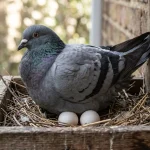
Among the most notorious culprits are pigeons, often referred to as rock doves. These birds thrive in city environments, creating large populations that can lead to significant issues, such as excessive droppings that damage buildings and spread diseases. Pigeons are highly adaptable and prefer to perch on ledges, which can lead to the accumulation of unsightly messes and potential health hazards. Similarly, starlings are another invasive species that can crowd local habitats, outcompeting native birds for food and nesting sites. Known for their iridescent feathers and chattering calls, they tend to form large flocks that can cause chaos, especially in agricultural settings where they consume crops in large numbers.
Likewise, sparrows, specifically house sparrows, present challenges as they often invade nesting spaces, create loud disturbances, and contribute to unsanitary conditions. Interestingly, their persistent nature means they often return to the same locations, making management efforts essential. Grackles, with their striking appearance and raucous vocalizations, can also become a nuisance when they gather in large numbers, scavenging for food and mobbing local wildlife.
To effectively address bird-related issues, it helps to recognize these common species and understand their habits:
- Pigeons: Thrive in urban areas; create significant droppings, which can damage property.
- Starlings: Form large, competitive flocks that threaten native species and agricultural resources.
- House Sparrows: Intrusive nesters that contribute to noise and sanitation problems.
- Grackles: Social and loud, known for scavenging and potential crop damage.
By being able to identify these species and understanding their behaviors, you can implement effective non-lethal deterrents and management strategies tailored to each bird’s unique characteristics. From the simple act of removing food sources to more complex habitat modifications, knowing the target species enhances the success of humane bird removal efforts and fosters a respectful coexistence with our feathered neighbors.
Understanding Bird Behavior and Habits
Understanding the intricacies of bird behavior and habits can significantly enhance your ability to manage human-wildlife interactions in a compassionate manner. For instance, did you know that some birds, like pigeons and starlings, are highly social and typically form large flocks? Their social structure often influences their feeding habits, nesting choices, and even their tendencies to roost in specific locations. Recognizing these group dynamics can guide your efforts in deterrence and encourage respectful coexistence.
Birds are also incredibly adaptable creatures. Pigeons, for example, thrive in urban settings due to their opportunistic feeding strategies, often scavenging discarded food and nesting in building crevices. Meanwhile, house sparrows are known for their resilience, often returning to the same nesting spots even after disturbance. This persistence means that one-time deterrent efforts may need to be reinforced for ongoing effectiveness. Understanding these behaviors can allow you to anticipate where birds may choose to roost or forage, enabling proactive measures to be put in place before they become a nuisance.
When aiming to gently and humanely manage bird populations, it’s crucial to tailor your approach based on specific species behaviors. For instance, grackles are notorious for their loud calls and scavenging nature; therefore, reducing accessible food sources will help deter them from congregating in large numbers. Similarly, creating unwelcoming environments through habitat modifications-such as blocking nesting areas or removing debris-can effectively discourage problematic species from settling in.
Incorporating knowledge about bird habits into your management strategies not only aids in creating effective non-lethal deterrents but also fosters a healthier relationship between humans and our feathered neighbors. By encouraging a balance where birds can thrive without causing disruption, you contribute to both their conservation and the maintenance of a harmonious urban ecosystem.
Effective Non-Lethal Bird Deterrents
Implementing non-lethal methods to deter birds effectively fosters coexistence while addressing potential issues caused by their presence. Did you know that many birds are particularly perceptive to changes in their environment? Utilizing this to our advantage can make a significant difference. Here are some strategies to consider that are both humane and efficient.
Visual Deterrents
One of the simplest yet effective approaches involves using visual deterrents. Birds often shy away from areas that appear threatening or unfamiliar. Here are a few strategies to implement:
- Reflective Surfaces: Hang reflective tape, aluminum foil strips, or old CDs in problem areas. The sunlight bouncing off these surfaces can confuse and scare birds away.
- Predator Decoys: Placing plastic or wooden models of predatory birds like hawks and owls can trick your target birds into thinking a threat is present.
- Moving Objects: Wind spinners or even flapping fabric attached to poles can create movement that naturally deters birds from roosting or foraging.
Sound Deterrents
Sound can also play a crucial role in creating an inhospitable environment for wildlife. Utilizing sound to repel birds can be particularly effective if the sounds mimic natural predators:
- Ultrasonic Devices: These devices emit sounds at frequencies outside of human hearing but are irritating to birds. These sounds disrupt their comfort zones, encouraging them to relocate.
- Recorded Calls: Playing recordings of bird distress calls or predator calls can elicit a natural response, prompting birds to leave the area.
Habitat Modification
Adjusting the environment can naturally discourage birds from settling. Here are some key adjustments:
- Remove Food Sources: Be proactive by keeping food scraps, pet food, and bird feeders managed. This minimizes attractants that draw birds into your area.
- Block Nesting Sites: Close off potential nesting spots by using bird netting or blocking access to building eaves and ledges, preventing any unwanted roosting.
- Maintain Clean Spaces: Regularly clean outdoor areas to eliminate debris where birds may find shelter, such as construction materials or dense vegetation.
By implementing visual, sound, and habitat modifications, you can effectively manage bird populations without harm. Not only are these methods humane, but they also promote a healthier relationship between humans and birds in our shared environments.
Safe and Humane Traps for Birds
When it comes to addressing bird-related issues, utilizing safe and humane traps can be an effective solution. Many bird species are protected under various laws, making it crucial to approach their removal with care and respect. Using traps designed specifically for birds can help mitigate potential problems without causing harm. These traps allow for the safe capture of birds, ensuring they can be relocated without injury.
One popular type of humane trap is the live catch trap, which is designed to capture birds without harming them. These traps typically feature a one-way door that swings shut once the bird enters to access bait, such as seeds or fruit. It’s essential to place these traps strategically, ideally in spots where birds frequently feed or roost. Be sure to check traps regularly-ideally every few hours-to minimize stress on captured birds.
Best Practices for Using Humane Traps
Implementing humane trapping requires thoughtful planning and execution. Here are some best practices to follow:
- Choose the Right Trap: Select a trap appropriate for the species you’re dealing with. For example, larger birds may require a bigger trap compared to smaller songbirds.
- Location Matters: Position traps in areas where birds tend to congregate, such as under trees, near feeders, or along popular flight paths.
- Use Proper Bait: Offer enticing bait that suits the targeted bird species. Sunflower seeds, corn, or fruit can be effective to attract various birds.
- Monitor the Trap: Regularly check your traps to ensure any captured birds are not left stressed for extended periods. Prompt release is crucial for their well-being.
- Release in a Safe Area: Once captured, relocate the birds at least several miles away from their original habitat to prevent them from returning.
By adhering to these methods, you can use humane traps effectively while being considerate of the birds’ welfare. This approach not only helps manage unwanted bird populations but also ensures their safety and survival. Educating yourself on the best practices can foster a more harmonious coexistence with our avian neighbors while addressing any necessary population management concerns.
Natural Repellents to Keep Birds Away
Utilizing natural repellents can be an effective and humane approach to keeping birds at bay. Birds, often drawn to specific environments for food and shelter, can be discouraged with certain scents, visual deterrents, and auditory signals that signal danger or unwelcomeness. For instance, many birds are sensitive to the smell of certain essential oils, such as peppermint and citrus, which can create an unfavorable environment for them. Spraying diluted solutions of these oils around areas where birds tend to gather can help keep them away without causing harm.
Another effective method is to incorporate visual deterrents that mimic natural threats. Reflective surfaces like old CDs or aluminum foil strips can be hung in areas to create flashing lights that confuse and scare birds. Additionally, predator decoys, such as plastic owls or hawks, can be placed strategically to give the impression that danger is nearby. Birds are naturally cautious creatures, and the presence of perceived predators can significantly reduce their inclination to roost or feed in a particular area.
Auditory Deterrents
Sounds can also play a crucial role in deterring birds. High-frequency noises that are unpleasant to birds, like the sounds of predators or other distress calls, can be quite effective. These sounds can be played intermittently using devices specifically designed for this purpose. Alternatively, wind chimes or bells can provide a more subtle auditory deterrent while still keeping the area energetic and inviting to humans.
Creating a multi-faceted approach by combining various natural repellents-scents, visual signals, and sounds-can lead to a more effective strategy. This holistic method not only respects bird welfare but also supports our environment by minimizing the use of chemical deterrents. As a plus, these strategies can be adapted according to the specific bird species you are dealing with, ensuring tailored solutions for your particular situations. Embracing these natural options fosters a harmonious balance between bird presence and human comfort in shared spaces.
Creating Bird-Friendly Spaces to Deter Roosting
Creating an environment that naturally discourages birds from roosting can transform your space while fostering a harmonious coexistence with these feathered creatures. Birds are often drawn to areas that provide food, safety, and shelter, so modifying your surroundings can significantly impact their presence. A well-thought-out approach to designing bird-friendly spaces not only benefits your home or garden but also contributes to the well-being of local wildlife.
First, consider altering the landscaping around your property. Non-invasive plants such as native species can create a less inviting habitat for birds that may otherwise find your area appealing. Instead of traditional bird feeders, which attract a variety of species, opt for plants that offer food in a more natural setting, like berry-producing bushes or seed-bearing flowers. This can reduce the overall attraction of your yard while still supporting local bird populations in a less controlled manner. Additionally, removing standing water sources can deter birds such as pigeons and starlings, which often congregate around available water.
In terms of structural adjustments, it’s essential to evaluate areas where birds tend to roost, like ledges, eaves, or open structures. Installing bird spikes on flat surfaces can prevent them from landing, while slanted surfaces can further obstruct their attempts to settle. Netting is another effective solution, particularly around gardens or fruit trees, shielding them from larger birds while allowing smaller species to pass freely. Strategic placement of plant barriers or decorative fencing can also foster an environment that feels less sheltered and more exposed, encouraging birds to seek refuge elsewhere.
Finally, consider the aesthetics of your space by incorporating elements that blend functionality with beauty. Using natural materials like bamboo or wooden trellises can blend into the environment while redirecting birds away from specific areas. At the same time, adding sensory features such as bells, wind chimes, or reflective surfaces can maintain an inviting atmosphere for humans while adding discomfort for birds. By thinking creatively about your space and using these tactics, you can develop a bird-friendly environment that naturally deters unwanted roosting while enhancing the overall character of your home or garden.
Best Practices for Cleaning Up After Birds
Cleaning up after birds can often feel like a daunting task, especially in areas where they frequently roost or nest. However, maintaining a clean space is crucial not only for aesthetic reasons but also for health and safety. Bird droppings can harbor pathogens that may pose risks to both humans and pets, so it’s important to adopt effective practices that ensure thorough and safe cleaning.
First, always wear appropriate personal protective equipment (PPE) before you begin. This includes gloves, a mask, and, if necessary, goggles, to shield yourself from dust and harmful particles stirred up during the cleaning process. When handling droppings or debris, it’s essential to keep your work area well-ventilated to minimize inhalation of potentially harmful substances.
For effective cleanup, follow these steps:
Step-by-Step Cleaning Process
- Preparation: Remove any loose debris such as feathers and nesting materials. This can usually be picked up by hand, so wear gloves.
- Moisten the Area: Lightly spray the droppings with a mixture of water and mild detergent. This will help break down the waste and reduce dust.
- Scrub and Wipe: Using a stiff brush, scrub the affected areas. For stubborn spots, a solution of water and vinegar can be an effective natural cleaner.
- Disposal: Seal the collected droppings and debris in a plastic bag and dispose of it properly. Ensure the bag is tightly closed to prevent odors and contamination.
- Sanitize: After cleaning, sanitize the area with a mixture of water and bleach (one part bleach to ten parts water) to eliminate any lingering pathogens.
- Final Touch: Rinse the area with clean water to remove any remaining bleach solution and allow it to dry thoroughly.
Regular maintenance can significantly mitigate the challenges posed by bird-related mess. By setting a schedule to check and clean areas prone to bird activity, you can prevent build-up and maintain a more hygienic environment. For instance, a quick weekly inspection and clean-up can eliminate droppings or nesting before they accumulate, thus fostering a more peaceful coexistence with our avian visitors. Additionally, incorporating bird deterrents can further help minimize your cleaning workload in the future.
While cleaning up after birds might seem tiresome, these practices not only ensure a cleaner space but also promote a healthier environment for both you and the birds. By handling the task effectively, you protect yourself and contribute positively to the wildlife around you.
Legal Considerations for Bird Removal
Navigating the legal landscape surrounding bird removal is essential for anyone looking to manage avian populations humanely and effectively. Many bird species are protected under various laws, including the Migratory Bird Treaty Act in the United States, which makes it illegal to capture, kill, or disturb migratory birds and their nests without a permit. Understanding these regulations is not only important for compliance but also reflects a commitment to ethical wildlife management.
Before taking action, familiarize yourself with the specific laws that apply in your area. Local ordinances may also impose restrictions on what you can do regarding bird removal, especially if the birds in question are protected species. For instance, some common nuisance birds like starlings and pigeons may not be protected by the same strict regulations as songbirds or birds of prey. Local wildlife agencies can provide guidance on which species are protected and what permits, if any, are necessary for removal activities.
Preventative Measures
Taking preventive measures often serves as the first line of action. For example, installing bird netting, spikes, or other deterrents can effectively keep birds from roosting or nesting in unwanted areas without the need for removal. Be aware that while deterring birds can generally be done without legal implications, any method used must not cause harm or distress to the birds, which might trigger legal concerns.
Documenting Interactions
If you find yourself needing to deal with problematic birds, keeping a detailed log of interactions can be beneficial. Documenting the number of birds, species, and the specific issues they cause strengthens your case if legal intervention becomes necessary. This record can also help wildlife professionals, should you seek their assistance in resolving the situation appropriately and within legal parameters.
As a responsible citizen, the best approach to bird management often lies in informed, humane solutions that respect all wildlife laws while addressing your specific needs. If in doubt, consulting with wildlife rehabilitation experts or your local wildlife agency can provide clarity and solutions tailored to your circumstances. Engaging in dialogue with these professionals not only enhances your understanding of local wildlife laws but also opens avenues for effective, lawful bird management practices.
Working with Wildlife Rehabilitation Experts
Engaging with wildlife rehabilitation experts can be a transformative experience when navigating bird-related challenges. These professionals are not only dedicated to protecting and rehabilitating birds but also serve as valuable resources for understanding avian behavior and humane management practices. By collaborating with them, you can gain insights that go beyond mere removal strategies, fostering a greater respect for the birds with whom we share our environment.
Wildlife rehabilitators often possess extensive knowledge about the specific species that may be causing issues. For instance, they can help identify problem birds based on their behavior and nesting habits. This understanding allows you to develop targeted approaches that are both effective and ethical. If, for example, you are dealing with a flock of starlings, the rehabilitator might suggest timing your prevention efforts to coincide with their breeding cycles, thereby minimizing disruptions and potential legal concerns associated with protected species.
Moreover, these experts can recommend safe and humane traps or deterrent methods that align with best practices in wildlife management. Rather than resorting to harmful methods, techniques such as habitat modification or the use of visual and auditory deterrents can be discussed. Engaging in a meaningful dialogue with a wildlife rehabilitator not only enhances your knowledge but can also lead to actionable solutions that respect the birds’ welfare while addressing your concerns.
Lastly, if your situation escalates to the point where birds are injured or require rescue, wildlife rehabilitators are equipped to provide the necessary care and advice. Partnering with them not only aids in resolving immediate issues but also contributes to the broader effort of wildlife conservation, ensuring that both birds and humans can thrive within shared spaces.
When to Seek Professional Help for Bird Issues
It’s not uncommon to encounter challenges with birds that can leave you feeling overwhelmed. Whether it’s a persistent pigeon cooing on your windowsill, seagulls loitering near your favorite picnic spot, or woodpeckers drumming on your house, recognizing the right moment to enlist professional help can significantly ease your concerns. Not only can wildlife experts provide targeted solutions, but they also help ensure that your methods of bird management are ethical and respectful to these creatures.
A key reason to seek professional assistance is when bird activity becomes disruptive or poses health risks. For example, if you’re dealing with a larger flock that creates significant noise or mess, or if persistent bird droppings lead to property damage, it might be time to reach out for help. Additionally, if birds are nesting in areas that pose risks, such as vents or under eaves, professional wildlife rehabilitators can assess the situation and suggest humane removal techniques. They can guide you on timing to avoid interfering with nesting or breeding seasons, thus adhering to local wildlife protection laws.
Another critical factor is if you encounter injured or distressed birds. In such cases, wildlife rehabilitation experts can evaluate the condition of the bird and provide immediate care or recommend suitable actions. They are equipped to assist with rescue, rehabilitation, and any necessary legal considerations surrounding protected species. When you notice a bird that appears to be sick or injured, acting promptly by contacting a professional can make a significant difference.
Furthermore, consider the emotional aspect of managing bird issues. A professional can help you understand the behaviors of problematic birds, enabling you to adopt long-term preventative measures. Instead of relying on potentially harmful deterrents, they can introduce you to non-lethal methods that align with wildlife conservation efforts. From habitat modifications to humane traps, working with experts fosters a balanced approach that ensures both your needs and those of the birds are met.
In essence, knowing when to seek professional help can transform a frustrating situation into an opportunity for learning and growth, ensuring that your efforts to manage bird populations are not just effective but also humane.
Success Stories: Humane Solutions for Bird Challenges
Understanding the complexities of human-bird interactions can lead to innovative and effective solutions that respect both our needs and those of avian populations. Numerous success stories highlight creative, humane approaches to managing bird challenges while fostering coexistence with these fascinating creatures.
One heartwarming example comes from a small community plagued by persistent starlings that would gather around local parks, causing mess and noise. Instead of resorting to lethal methods, residents collaborated with a wildlife expert to implement a series of deterrents that shifted the starlings’ behavior. By introducing reflective materials, such as Mylar tape and shiny balloons, alongside sound machines that mimicked the calls of natural predators, the birds were gently encouraged to relocate. Within weeks, the park’s peaceful atmosphere returned, and the local wildlife thrived in a balanced environment.
Another inspiring case involved a family that found woodpeckers attacking their wooden siding. Understanding that woodpeckers drumming is often a signal of distress or a search for insects, the family opted for a dual approach: they installed birdhouses nearby to attract the woodpeckers and provide them a suitable nesting place, while simultaneously using soft mesh netting over vulnerable areas of their home. This kind of habitat modification offered the woodpeckers an alternative, and the family’s proactive measures fostered a peaceful coexistence, reducing property damage while supporting local wildlife.
Supportive community initiatives can also catalyze change. A city organization focused on reducing pigeon populations conducted educational workshops on the importance of understanding bird behavior and habitat. They offered residents innovative non-lethal solutions, including the strategic placement of feeding stations away from crowded areas and providing nesting materials in designated locations. This approach not only reduced unwanted pigeon congregations but also fostered community engagement and a sense of stewardship towards local wildlife.
In each of these cases, employing humane methods not only solved the immediate problem but also enriched the community’s relationship with its avian neighbors. These stories underscore the power of empathy, creativity, and collaboration in addressing bird-related challenges, turning potential conflicts into opportunities for coexistence. By exploring humane removal methods, we can contribute to the protection of birds while ensuring our spaces remain enjoyable and clean.
FAQ
Q: What humane methods can I use to keep birds away from my property?
A: To keep birds away humanely, consider using visual deterrents like reflective tapes or scare balloons. Planting native vegetation can also attract birds away, and strategically placing birdhouses at a distance can provide an alternate habitat. For more details, see the section on effective non-lethal bird deterrents.
Q: How can I prevent birds from nesting in unwanted areas?
A: Prevent birds from nesting by blocking potential nesting sites with netting or screening. Regularly check and clean areas that attract birds, and consider installing ledges or spikes to deter roosting. More tips can be found in our section on creating bird-friendly spaces.
Q: What should I do if I find a baby bird on the ground?
A: If you find a baby bird, assess whether it is injured or simply fledging. If uninjured, leave it be as parents often watch nearby. If injured, contact a local wildlife rehabilitation expert. Our article discusses when to seek professional help for bird issues.
Q: Are there specific plants that can deter birds?
A: Yes, plants with strong scents like lavender or thorny shrubs can deter birds. Additionally, certain herbs like mint can create an unwelcoming environment. For more on natural repellents, refer to our section on natural repellents to keep birds away.
Q: How do I choose humane traps for birds?
A: When selecting humane traps, opt for ones designed for the specific bird species you’re dealing with. Live traps should be checked frequently to minimize stress on the birds. See our section on safe and humane traps for birds for more guidance.
Q: Is it legal to remove birds from my property?
A: Regulations vary by location and species; some birds are protected by law. Always check local wildlife laws before removal. For detailed legal considerations, refer to our section on legal considerations for bird removal.
Q: What do I do after humanely removing birds from my property?
A: After removing birds, it’s essential to clean the area thoroughly to eliminate nests and droppings, which can attract other pests. Best practices for cleaning up after birds are addressed in our article’s cleanup section.
Q: Why do birds keep returning to the same spot?
A: Birds may return due to established feeding or nesting sites. Providing alternative habitats and food sources can help divert them. Our section on understanding bird behavior and habits covers this topic in-depth.
In Summary
Thank you for exploring humane bird removal methods with us! By adopting these compassionate strategies, you not only protect your outdoor spaces but also respect the wildlife that shares our environment. If you’re ready to take the next step, consider downloading our comprehensive guide on bird-friendly landscaping or check out our tips on deterring birds without harm.
Don’t let the challenges of bird management overwhelm you. Connect with our community-drop your questions in the comments below, or share your experiences with these methods! And don’t forget to subscribe to our newsletter for regular updates, tips, and exclusive resources tailored just for you.
Remember, a humane approach not only benefits the birds but enriches your own living experience. Continue your journey toward harmonious cohabitation with nature by exploring more of our related articles on wildlife care and management strategies. Let’s foster a peaceful coexistence together!
Get our latest guides, news, and insights highlighted in your Google Search & AI Overviews.