Have you ever wondered where the bright songbirds and majestic raptors vanish to when the sun sets? Birds, like all creatures, have unique roosting habits that are crucial for their survival. Understanding these behaviors offers valuable insights into their survival tactics, social structures, and even migration patterns. Whether you’re a budding birdwatcher or a seasoned naturalist, discovering the resting spots of our feathered friends can enhance your appreciation for wildlife. Join us as we explore the fascinating world of bird roosting, revealing where they find safety and solace after a busy day of foraging and flight. You’ll not only learn the practical aspects of their nighttime habits but also gain a deeper understanding of their lives and the ecosystems we share. Prepare to dive into the nocturnal side of avian life-there’s much more to these creatures than meets the eye!
Understanding Roosting: Why Birds Roost at Night
As dusk falls and the world transitions into twilight, many birds begin their nightly rituals, seeking safety and rest. Roosting is a vital behavior for birds, allowing them to conserve energy and avoid nocturnal predators. During the night, birds often settle in groups or solitary spots that offer protection and comfort. This instinct to roost is evolutionary, promoting survival by minimizing exposure to threats and harsh weather conditions.
Different species have unique preferences for their roosting spots based on their size, behavior, and environmental adaptations. For example, larger birds like herons may favor tall trees near water, providing a clear view of their surroundings. Smaller songbirds, conversely, might seek out dense shrubs or brush piles that offer cover from predators. As you observe the birds in your area, take note of where they go at night; you’ll likely notice patterns that reveal their preferences and social structures.
Another fascinating aspect of roosting is that it’s not solely about rest. Many birds engage in social interactions during this time, from vocal exchanges to grooming. This communal aspect of roosting fosters social bonds and enables the sharing of important information about food sources or potential dangers. Thus, understanding why and how birds roost can greatly enhance our appreciation of these remarkable creatures and their complex behaviors.
When observing birds during roosting, consider creating a small notebook to jot down your findings. Note the types of birds you see, their chosen locations, and any behaviors that stand out. This practice not only deepens your connection with the avian world but also sharpens your identification skills, enriching your birdwatching experience even further.
Common Roosting Locations for Birds
As the sun dips below the horizon, the quest for safe havens begins for birds. Each species has its favored roosting locations, which are chosen based on a combination of safety, accessibility to food, and environmental factors. Common sites include tall trees, dense shrubs, and even man-made structures. Understanding these locations can provide insight into the behaviors and needs of birds during nighttime.
H3: Natural Habitat Roosts
Many birds seek the protection of large trees for their roosting spots. Tall trees, particularly near water bodies, serve as perfect perches, allowing birds like herons and egrets to keep a watchful eye for predators while providing ample shelter. Smaller birds, including sparrows and finches, often prefer dense shrubs or thorny bushes, where they can hide from potential threats. These locations not only offer safety but often provide insects and seeds to eat should they awaken early.
H3: Urban Roosting Spaces
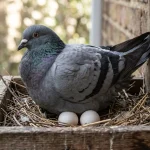
In urban environments, birds adapt remarkably well, finding roosting spots in unexpected places. Pigeons and starlings frequently roost on buildings, bridges, and other human-made structures. Streetlights, awnings, and ledges can serve as hidden perches, while larger urban parks and gardens provide essential greenery. The adaptability of these birds to city life is a testament to their resilience, and observing them can reveal the intricate ways wildlife interacts with urban development.
H3: Seasonal Variations in Roosting Choices
Seasonal changes significantly influence roosting behavior. During colder months, birds may flock to communal roosts for added warmth and protection from winter’s chill. Species such as crows create large roosts, sometimes numbering in the thousands, where they can share body heat. Conversely, during migration, birds might seek temporary roosting locations that offer abundant resources along their flight paths, making rest stops a critical aspect of their journey.
By paying attention to these common roosting locations, you can enhance your birdwatching experience. It’s fascinating to see how environmental factors shape where birds sleep at night and to appreciate the diverse strategies they employ to ensure safety and survival.
The Fascinating Roosting Behaviors of Different Species
As dusk settles, a mesmerizing dance begins among the bird populace, with different species exhibiting unique roosting behaviors that highlight their adaptability and survival strategies. A fascinating aspect to note is how communal roosting can serve various purposes, from conserving warmth to enhancing safety in numbers. For example, during the colder months, you’ll often observe large flocks of starlings gathering at dusk, their synchronized movements creating a stunning spectacle known as a murmuration. This gathering not only helps them maintain body heat but also offers protection from predators, relying on the sheer volume of birds to confuse and deter any would-be attackers.
Different species have adapted to specific roosting rituals that reflect their environmental needs and behaviors. Owls, as nocturnal hunters, prefer roosting in dense foliage or tree cavities, where they remain camouflaged during the day. This strategic behavior allows them to conserve energy while staying hidden from potential threats. Conversely, species like the purple martin choose roosts in man-made structures, such as bridges or buildings, which provide both shelter and proximity to food sources, highlighting the dynamic interaction between birds and human infrastructures.
The roosting habits of smaller birds, like sparrows and finches, further illustrate the diversity among avian behaviors. These birds often form loose flocks during the night, choosing low shrubs or thick bushes to roost in, where they can find safety from ground predators and adverse weather conditions. It’s fascinating to observe how their choice of roosting sites changes with the seasons; during migration, for instance, flocks might stop at specific areas that promise ample food supply and cover, making these temporary roosts vital for their survival.
Understanding these intricate roosting behaviors not only enriches our birdwatching experiences but also deepens our appreciation for the adaptability and resilience of these remarkable creatures. By taking the time to observe their choices and interactions, you can gain valuable insights into the lives of birds as they navigate the complexities of their environments, ensuring their safety and survival overnight.
How Birds Choose Their Roosting Sites
Choosing the right roosting site is a critical process for birds, shaped by a complex interplay of instinct, environmental factors, and individual species’ needs. Every evening, birds assess their surroundings and select locations that offer the best chance for safety and comfort. A tantalizing fact to consider is that some species, like the Northern Cardinal, often choose sites based on their visibility; they prefer areas where they can see potential threats while still feeling secure in dense cover. This habit highlights a keen survival strategy that many birds share.
Birds often look for specific characteristics in their chosen roosting sites:
- Proximity to food: Many birds select roosting locations near foraging areas to minimize energy expenditure at dawn when they set off to feed.
- Cover and shelter: Dense foliage, tree cavities, and even human structures offer crucial shelter, reducing exposure to predators and harsh weather conditions.
- Social dynamics: Many birds prefer communal roosting sites where they can benefit from the safety in numbers, which can enhance alertness to danger and provide warmth during cold nights.
- Climate considerations: Seasonal changes influence roosting behaviors; for instance, during migration, birds may flock to areas with ample cover and food sources that are strategically located for their journey.
Moreover, the ability to adapt to urban environments has transformed how many birds choose their nighttime resting spots. Species like the Rock Pigeon and European Starling have become adept at utilizing human-made structures, such as bridges and buildings, which offer unique advantages compared to traditional natural habitats. This shift not only speaks to their resilience but also to how urban landscapes can alter bird behavior, allowing them to thrive in environments that might seem inhospitable.
By discerning how birds select their roosting sites, observers can cultivate a deeper appreciation for the incredible adaptability of these creatures. Engaging in birdwatching with an understanding of these behaviors enhances not only our knowledge but also encourages a sense of stewardship toward the environments that support such avian diversity. Whether you’re a casual observer or a seasoned birder, keep your eyes open to the subtle signs and strategies that birds employ as they settle down for the night.
The Role of Safety in Bird Roosting Strategies
Every evening, as twilight descends, birds engage in a careful balancing act: choosing the perfect spot to roost that maximizes their safety during the vulnerable hours of night. The significance of safety in roosting strategies cannot be overstated. For many avian species, the ideal roosting site not only provides comfort but also acts as a fortress against predators and harsh environmental conditions.
Birds prioritize locations that offer concealment and protection. Dense thickets, tree hollows, and sheltered nooks are favored for their ability to shield birds from both aerial and ground-based threats. For instance, woodpeckers and owls prefer tree cavities where they can blend in seamlessly, while flocks of smaller birds, like sparrows, often choose leafy bushes that obscure them from sight. The ability to remain hidden is a primary factor that influences their choice, as it reduces the likelihood of predation by larger birds or mammals looking for an easy meal.
Moreover, communal roosting practices amplify the safety net for many species. Birds such as starlings and grackles frequently gather in large numbers, deterring predators through sheer volume. This social behavior not only enhances alertness to potential dangers but also provides warmth during chilly nights-an added benefit in colder climates. The collective vigilance of a roosting flock can reveal immediate threats; thus, being part of a group can significantly improve an individual bird’s chances for survival.
In urban environments, the dynamics of safety shift as birds adapt to the presence of human-made structures. Species like pigeons utilize building ledges, underpasses, and bridges, which offer protection from weather and predators alike. The juxtaposition of urban infrastructure with natural roosting behaviors highlights how resilience allows birds to thrive even in less-than-ideal conditions. As urban habitats continue to reshape wildlife interactions, understanding these safety strategies provides deeper insights into avian life, offering birders and nature enthusiasts an opportunity to observe and appreciate the ingenious adaptations of these remarkable creatures.
Engaging in birdwatching during the evening can reveal the elegant strategies birds deploy to safeguard themselves. Observing where they choose to roost can offer invaluable lessons about their inherent instincts and environmental needs. By respecting their space and understanding their behaviors, we can contribute to protecting the habitats that are crucial for their survival.
Impact of Urban Environments on Bird Roosting
The presence of urban environments dramatically influences how birds select their nighttime roosting sites. Rather than retreating to dense forests or natural thickets, many bird species have adapted to nestle into the intricate maze of buildings, bridges, and other human-made structures. This shift is not merely a matter of convenience; urban areas often provide unique advantages for roosting birds, including safety from predators and protection from the elements.
Birds like pigeons and sparrows have become masters of urban living, utilizing ledges on high-rise buildings or tucked-away alcoves for roosting. These locations not only offer a vantage point to spot potential threats but also create a barrier against harsh weather conditions. Unlike their rural counterparts that rely on natural concealment, urban birds take advantage of architectural features, demonstrating a remarkable adaptability to their environment.
Species-Specific Adaptations
Different bird species exhibit unique adaptations to urban roosting. For instance, European starlings often gather in large flocks at dusk, locating themselves on power lines or in trees that line city streets. Their communal roosting provides enhanced safety through social vigilance, as more eyes can detect predators. Conversely, nighthawks may choose to roost on flat rooftops, where their camouflaged plumage blends seamlessly with the gravel, making them less visible to both predators and observers.
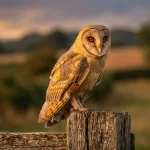
Meanwhile, owls, such as the Barn Owl, seek out abandoned buildings or other quiet urban corners, finding refuge within their walls. The adaptation to urban nighttime life allows these birds not only to find shelter but to hunt effectively in environments that are alive with rodent activity, a food source ripe for the picking in many cities.
Engaging with Urban Bird Life
Observing urban birds can be a fascinating experience for birdwatchers. I encourage both novice and seasoned bird enthusiasts to explore their local parks or cityscapes during the evening. Pay attention to specific roosting spots; you might be surprised at the variety of species that choose to settle down for the night. Take note of the locations that they favor and the time they arrive. This simple observation can reveal much about the adaptability of avian life in our ever-changing urban landscapes.
As urban areas continue to evolve, understanding how birds adapt to these environments is not just a matter of academic interest-it’s critical for conservation efforts. By building awareness about the needs of these birds and promoting urban habitats that enhance their survival, we can foster a healthier coexistence with our feathered neighbors, enriching the biodiversity that urban ecosystems have to offer.
Seasonal Changes in Roosting Habits
As temperatures shift and daylight wanes from summer to winter, the nighttime behaviors of birds undergo remarkable transformations. Seasonal changes significantly impact where and how birds choose to roost, driven by their instincts to optimize survival, social interaction, and access to resources. For instance, as colder months approach, many birds adapt their roosting habits, seeking out more sheltered locations to shield themselves from harsh weather. In contrast, during the warmer seasons, birds may roost in more exposed areas, taking advantage of longer nights and abundant food sources.
Winter Roosting Strategies
In winter, many bird species congregate in larger flocks, enhancing their safety and conserving heat. They may choose dense evergreens, such as pines, or the nooks and crevices of buildings as communal roosting spots. Species like American Robins and European Starlings often find refuge in these areas, where their numbers can provide warmth and protection against predation. Moreover, some birds adapt by migrating to milder climates altogether, leaving behind their cold-weather roosts for more hospitable conditions.
Spring to Summer Adaptations
As the days lengthen and temperatures rise, many birds shift their roosting habits to take advantage of nesting opportunities. During spring and summer, you might observe them roosting in more open areas again, such as in the upper branches of trees or even on power lines. Common Swifts and Purple Martins frequently establish roosts where their young can easily access food. The availability of insects during these months also plays a crucial role in determining where birds choose to settle for the night, as many species will roost near their primary food sources.
Understanding these seasonal changes is essential for birdwatchers and conservationists alike. By observing how different species adjust their roosting preferences related to seasons, enthusiasts can gain insights into their behaviors and needs, which can inform conservation efforts and enhance our appreciation for wildlife in our environments. Whether it’s a chilly evening in January or a balmy night in July, there’s always a fascinating story unfolding as birds find their ideal spots to roost and rest.
Birds’ Nighttime Activities: More Than Just Roosting
Birds’ nighttime activities extend far beyond simply settling down to roost. While roosting provides essential rest and safety, nocturnal behaviors also play a crucial role in their survival and overall ecological dynamics. One fascinating aspect to consider is the varied ways species interact with their environment after sundown. For instance, many birds, such as owls and nightjars, are primarily nocturnal hunters, actively seeking out food in the dim light. These birds have adapted their vision and hunting strategies to the dark, relying on their acute senses to locate prey, such as small mammals, insects, and even other birds.
In addition to hunting, some species utilize the night for social interactions. Many forest-dwelling birds establish communication networks during twilight hours. You might witness gatherings of songbirds like blackbirds and starlings, which engage in complex vocalizations and social displays. These nighttime meetings can help strengthen bonds within flocks and allow individuals to establish territories. It’s an engaging spectacle, as these birds exhibit vibrant behaviors that might include preening, calling, and even playful flights, adding an exciting layer to their nighttime repertoire.
For those interested in observing these activities, dusk can be an optimal time for birdwatching. As day transitions to night, many species become more active, providing a prime opportunity to witness their behaviors. Bring binoculars and a field guide, and look for visual cues such as fluttering shadows or hear distinctive calls, which can indicate nearby activity. Respecting their space is vital; keeping a safe distance will ensure that you don’t disturb their routines.
Understanding these multifaceted behaviors enriches our appreciation for avian life and highlights the complex ways birds navigate their world after dark. Recording these observations can contribute valuable insights into bird ecology and behavior, allowing both casual observers and seasoned birders to engage deeper with the rich tapestry of wildlife around them.
Signs of Roosting Birds: What to Look For
Finding signs of birds roosting can deepen your understanding of avian behaviors and enhance your birdwatching experience. As daylight fades, many birds begin to settle for the night, and observing their whereabouts can reveal important ecological insights.
When you’re out in the field, listen for the distinctive vocalizations that often signal the presence of roosting birds. As dusk approaches, you might hear the changing tones and patterns in their calls as they gather together. Look for flocks of starlings or blackbirds, especially in urban areas where communal roosting is common. These gatherings can create dramatic displays, known as murmurations, which are not only mesmerizing but also indicate that birds may soon settle down for the night.
Physical signs can also tell you a lot about roosting locations. Look for droppings: A buildup of feces under trees or on buildings can suggest that local birds are using those spots to roost. Feather remnants can be another indicator; discarded feathers may suggest the presence of established roosting sites. Additionally, observe the behavior of local bird species as daylight wanes. Many will engage in a flurry of preening and social interactions before settling in, providing a clear indication of their roosting habits.
Another fascinating aspect to notice is their flight patterns leading up to roosting. You might see birds circling above a chosen spot before descending, a behavior that can signal the establishment of a secure resting place. This flight behavior varies between species; for example, swallows tend to swoop low and gather in large groups before settling for the night, while owls might be seen gliding stealthily into dense cover, which they favor for safety.
By tuning into these auditory and visual cues, you can enhance your birdwatching adventures, discovering where birds go at night and what influences their choices in roosting sites. Whether you’re a novice or an experienced birder, knowing what to look for enriches the experience and fosters a deeper connection with the natural world.
Tips for Observing Roosting Birds Safely
As dusk settles and birds prepare for roosting, it’s an enchanting time to take part in observing these avian rituals. To ensure you enjoy this experience while respecting the birds and their habitats, there are several tips to keep in mind. Firstly, maintain a safe distance; binoculars can be your best friend here. Observing birds without intruding on their space minimizes stress on them and increases your chances of witnessing natural behaviors.
Proper timing is essential. Arrive at your chosen spot early so you can familiarize yourself with the area and the species that frequent it. As the sun sets, many birds will begin their gathering routines, and being settled allows you to enjoy the spectacle without causing disturbance. During this time, silence your phone and keep noise levels down to avoid startling the birds.
Consider the environmental conditions too; using natural cover like trees or shrubs can help you remain inconspicuous. If you’re in urban settings, find elevated positions where you can observe without being in the direct line of sight. Lastly, carry a notebook or a smartphone to jot down your observations; this can deepen your engagement with what you see and help you track recurring patterns in bird behavior.
As a shared experience, birdwatching can foster community. Encourage your friends or family to join you, establishing a quiet, respectful group that values the sights and sounds of nature. Equip everyone with binoculars and guidebooks, turning your outing into an enjoyable learning opportunity for all. Observing roosting birds is not only about watching them settle in for the night; it’s an invitation to connect with wildlife intimately and ethically.
Connecting with Nighttime Birds: Best Practices
As the sun dips below the horizon and twilight blankets the landscape, the world of birds transforms into a captivating realm of roosting habits, often filled with intrigue and wonder. Connecting with these nighttime avian activities can enrich your understanding and appreciation of bird behavior. To engage effectively and ethically in this nocturnal dance, adopting best practices is essential.
Start by selecting locations that are not only popular roosting spots but also allow for safe, unobtrusive viewing. Birds often flock to tall trees, dense shrubs, or even man-made structures that offer shelter and safety from predators. Finding a vantage point-perhaps a hill or a quiet park area-where you can observe without being seen is crucial. Use binoculars to enhance your view while maintaining a respectful distance; this minimizes stress on the birds and allows for the observation of natural behaviors.
Timing is another crucial element. Arrive early to familiarize yourself with the local environment and the species present. As dusk approaches, many birds start to gather in preparation for the night, creating a thrilling spectacle as their numbers swell and vocalizations fill the air. Staying still and quiet can transform your experience into a captivating immersion in nature, allowing you to witness adaptations, such as how some species choose to roost in loose flocks for safety, while others prefer solitary or paired roosting.
Engagement doesn’t solely have to be a solitary experience; connecting with fellow bird watchers can turn observing into a community activity. Encourage discussions about what you see-different species’ behaviors, adaptations, and preferences can enrich everyone’s experience. Utilize smartphone apps for bird identification and reports, or even keep a field journal to note your findings, which can deepen your understanding and connection with these remarkable creatures. Ultimately, connecting with nighttime birds is not merely about observation; it is about fostering respect for their habitats and celebrating the complexity of the avian world after dark.
Myths and Misconceptions About Bird Roosting
Bird roosting is often shrouded in myths and misconceptions that can obscure our understanding of these critical behaviors in avian life. One common myth is that all birds roost in trees. While many species do prefer the security of tree branches, especially in wooded areas, others seek roosting places in building eaves, cliff ledges, or even within dense shrubs. For instance, urban-dwelling pigeons frequently find refuge in the nooks of skyscrapers, starkly contrasting the natural roosting behavior of rural birds like sparrows, which might prefer hedges or bushes.
Another misconception is that roosting is solely for sleep. In reality, roosting plays multiple roles in a bird’s life, including thermoregulation and social interaction. For example, some species, such as starlings, roost communally in large groups, which not only helps to protect against predators but also facilitates social interactions that are vital during the breeding season. This communal roosting can create stunning murmurations as hundreds or thousands of birds move together in unison at dusk.
Additionally, some believe that only nocturnal birds roost at night. However, diurnal species like swallows also engage in roosting behavior during the night after a long day of foraging. Their roosting habits can vary seasonally; in winter months, they might flock together in warmer areas, while during breeding season, they may prefer to roost near their nesting sites. Such adaptability emphasizes that bird roosting is a dynamic behavior influenced by environmental conditions and social structures rather than a rigid pattern.
To better understand these behaviors, one can consider local birdwatching opportunities and resources like bird guides or apps that provide insights on species-specific roosting habits. Observing the variety of roosting locations and behaviors across different bird species offers a fascinating glimpse into their lives and underscores the importance of respecting their chosen habitats.
Q&A
Q: Where do birds sleep at night?
A: Birds typically sleep in safe and sheltered locations like trees, shrubs, or man-made structures. They prefer spots that provide protection from predators and harsh weather. You can observe them roosting in dense foliage or near sources of food, which helps them stay safe overnight.
Q: Why do birds roost in groups at night?
A: Birds roost in groups for safety in numbers; being together can help deter predators. Group roosting can also provide warmth and facilitate social interactions. This behavior can be observed in species like starlings and crows, which gather in large flocks for added protection.
Q: What factors influence a bird’s choice of roosting site?
A: Birds choose their roosting sites based on safety, shelter, accessibility to food, and environmental conditions. Factors like the presence of nearby predators or extreme weather can significantly impact their decisions. Observing these choices can provide insights into their daily habits and survival strategies.
Q: Do all birds have the same roosting habits?
A: No, roosting habits vary widely among bird species. Some prefer solitary roosting, while others flock together. For instance, raptors may choose isolated perches, while songbirds often roost communally in trees, highlighting the diverse strategies birds employ for safety and comfort.
Q: How do urban environments affect bird roosting behaviors?
A: Urban environments can drastically alter bird roosting behaviors due to the availability of artificial structures and reduced natural habitats. Birds may adapt by roosting in buildings or streetlights, impacting their access to food and safety. Such changes can affect their overall health and breeding success.
Q: What time of year do birds typically change their roosting habits?
A: Birds may change their roosting habits seasonally, especially during migration or breeding seasons. For instance, many species will seek warmer roosting locations in winter and may roost closer to breeding areas in spring. Understanding seasonal patterns can enhance your birdwatching experience.
Q: Can birds see at night when roosting?
A: Most birds have limited night vision, so they rely on roosting in safe locations to avoid danger. Some species, like owls, are adapted for nocturnal life and can see well in low light. However, most birds become inactive and depend on safety while they rest during the night.
Q: How can I observe roosting birds safely?
A: To observe roosting birds safely, use binoculars from a distance, and be quiet to avoid disturbing them. Look for places where birds commonly gather, such as parks or nature reserves, and ensure your observation does not disrupt their natural behaviors. Engaging in ethical birdwatching enhances the experience for all enthusiasts.
Key Takeaways
As we wrap up our exploration of where birds go at night and their intriguing roosting habits, remember that understanding these routines not only enhances your birdwatching experience but also fosters a deeper appreciation for our feathered friends. Whether you’re drawn to the elusive owls or the communal roosts of crows, there’s much more to discover! To dive deeper into the fascinating world of birds, check out our articles on the remarkable American Crow and the variety of birds on Earth.
Don’t miss out on the chance to enrich your knowledge and join our community of bird enthusiasts-sign up for our newsletter and be the first to receive tips, updates, and exclusive content! Got questions or observations? Share your thoughts in the comments below, and explore more of our engaging content to satisfy your curiosity. Every visit brings new insights, so keep your exploration alive!
Get our latest guides, news, and insights highlighted in your Google Search & AI Overviews.