Have you ever noticed that specific birds symbolize the heart and soul of your region? Each state in the U.S. proudly designates a state bird, which often reflects its unique culture and natural history. Discovering the state bird in your area not only connects you to your local environment but also enriches your appreciation for wildlife. From the vibrant Northern Cardinal of Illinois to the charming California Quail, these avian representatives bring communities together through their beauty and behavior. Whether you’re an avid birder or just beginning to explore the wonders of wildlife, understanding your state bird can enhance your outdoor experiences and inspire curiosity. Join us as we delve into the fascinating world of state birds, uncovering their significance and sharing tips for identification and appreciation.
What Defines a State Bird? Understanding the Significance
The designation of state birds holds an intriguing significance that goes beyond mere symbolism; these avian representatives reflect each state’s unique ecological identity and heritage. Officially recognized starting in 1927, the adoption of state birds serves to raise awareness and foster appreciation for local wildlife. Each state’s choice often highlights a bird that embodies the character or spirit of the region, such as the mockingbird, which is celebrated for its adaptability and diverse repertoire, making it a fitting symbol for states such as Texas and Tennessee.
Understanding the significance of state birds also involves recognizing how they can unify residents. For many, a state bird evokes fond memories, local folklore, and community pride. For example, the Northern Cardinal, designated as the state bird of several states, is not only a visual delight with its vibrant red plumage but also symbolizes a sense of belonging and nostalgia for many families.
Moreover, the selection of state birds often includes species that play essential roles in their ecosystems. Birds like the American Robin and the Eastern Bluebird, appreciated for their beauty and songs, also contribute to the health of their habitats by controlling insect populations and aiding in seed dispersal. This interconnection between state birds and their environments underscores the importance of conservation efforts, as protecting these species helps preserve the ecological balance within each state.
In summary, state birds serve as more than just symbols; they are integral to cultural identity, community nostalgia, and ecological health. Understanding their significance invites individuals to appreciate the birds in their environment, encouraging a deeper connection with nature.
Discovering Your Region’s Unique State Bird

Discovering your state bird can be an exciting journey into the natural world and your region’s cultural heritage. For instance, the American Robin, designated as the state bird of Connecticut and Michigan, is a beacon of spring, known for its cheerful song and vibrant red breast. This bird often heralds the changing seasons, making it a familiar harbinger of warmer days. Each state bird not only reflects the unique ecosystem of the area but also carries folklore and community pride that can resonate deeply with residents.
To get started on identifying your region’s state bird, consider local resources such as nature centers, wildlife organizations, or online birding communities. They often host workshops and provide guides that can enhance your birdwatching skills. Here are some classic traits to look for:
- Visual Characteristics: Pay attention to colors, markings, and size. For example, the Northern Cardinal features striking red plumage in males, making it easier to spot against the backdrop of winter snow.
- Sounds: State birds often have unique calls or songs. The song of the Common Loon, Minnesota’s state bird, is hauntingly beautiful and can be a delightful challenge to recognize.
- Behavior: Observing feeding habits and social behavior can also provide clues. The Blue Jay, for example, is known for its intelligence and complex social interactions.
Engaging in local birdwatching events or using apps like Merlin Bird ID can significantly enhance your bird identification skills. Many enthusiasts find joy in connecting with fellow birders, sharing tips, and experiencing the thrill of spotting their state bird in action. As you delve into this avian exploration, keep in mind that recognizing your state bird is more than just a recreational activity; it’s an opportunity to appreciate the natural history and ecological significance of your surroundings.
How to Identify Your State Bird Easily
Identifying your state bird can be an engaging and fulfilling experience, as it connects you with the natural beauty of your region. To sharpen your birdwatching skills, take note of specific traits and behaviors evident in your local avian residents. Understanding these elements will help you quickly recognize your state bird and appreciate its unique characteristics.
Start your identification journey by focusing on visual characteristics. Each state bird often has distinct colors, markings, and sizes. For example, the vibrant male Northern Cardinal, with its striking red plumage, stands out vividly against icy winter backgrounds, while the more subtly colored female is a reminder of the bird’s diverse aesthetics. Using a bird guidebook or an app like Merlin Bird ID can assist in matching these visual traits with images and descriptions.
Another essential aspect to consider is the sounds of your state bird. Most state birds have unique songs or calls that can be both distinctive and melodious. Take time to listen in your backyard, local parks, or nature reserves. For instance, the cheerful, warbling notes of the American Robin are synonymous with spring and can often be heard at dawn, making it an easier bird to recognize against the backdrop of morning sounds.
Furthermore, observing behavioral patterns can provide valuable clues for identification. Notice how your state bird interacts within its environment: Does it prefer to forage alone or in flocks? Is it more likely to be seen foraging on the ground or perched high in trees? Birds like the Blue Jay, known for their loud calls and playful antics, can often be spotted stealing seeds or scaring away smaller birds,reflecting their intelligence and social hierarchy.
By combining these observation techniques-visual cues, auditory recognition, and behavioral analysis-you’ll not only be able to identify your state bird but also foster a deeper connection to the avian life that surrounds you. Engage with local birdwatching communities or participate in guided walks to further enhance your skills and discover new perspectives on the marvelous world of birds right in your backyard.
The Fun Facts About State Birds You Didn’t Know
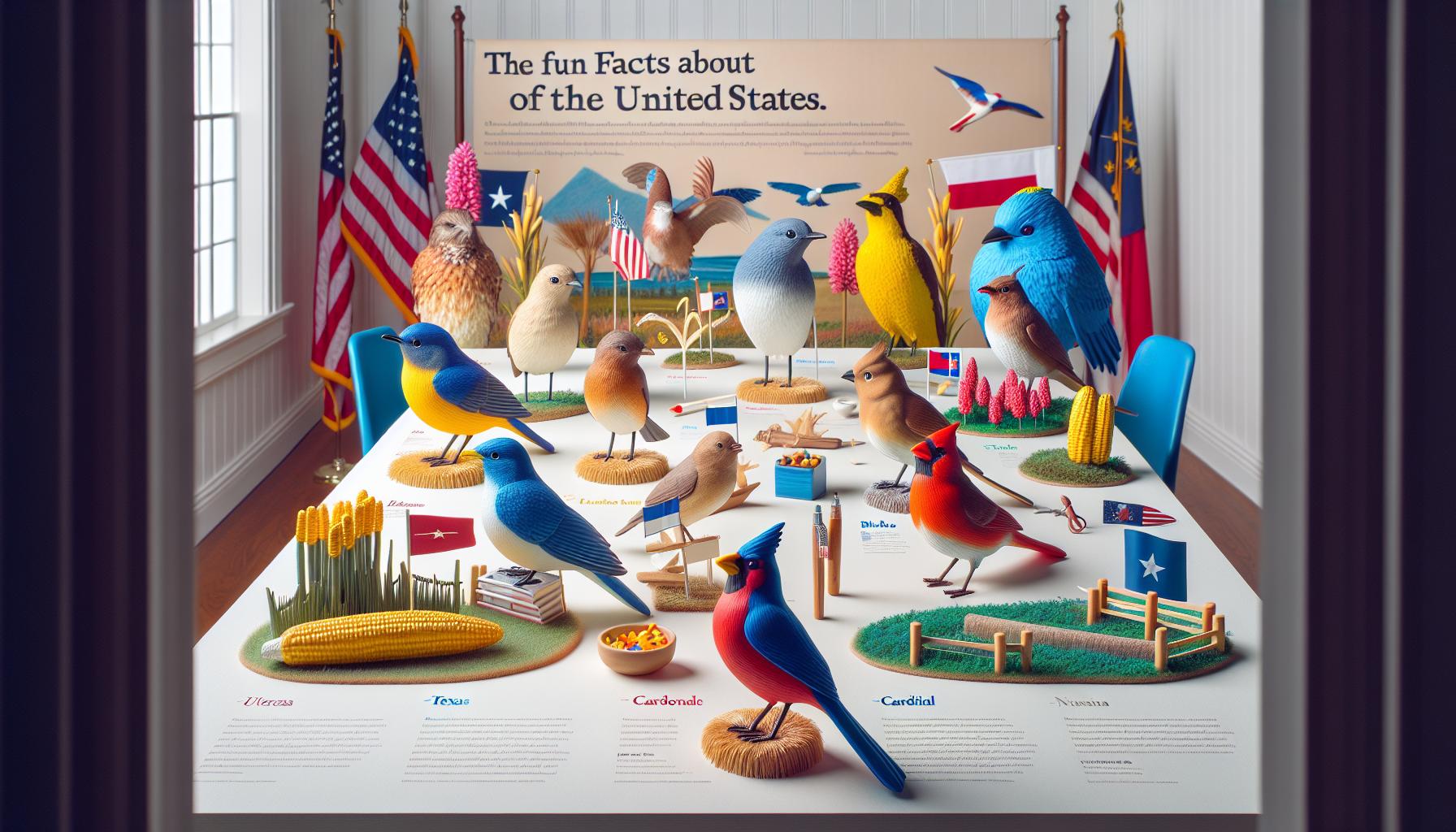
Did you know that the Northern Cardinal shares its status as the most popular state bird with five other states, making it a symbol of regional pride across the United States? This vibrant red bird, often seen perched on fences or bird feeders, is not only beloved for its striking appearance but also for its melodic song, making it an exciting subject for bird watchers and enthusiasts alike.
Each state bird has a story that reflects the cultural or natural heritage of its region. For example, Minnesota’s state bird, the Common Loon, is renowned for its hauntingly beautiful call and was chosen to represent the state’s extensive lakes. Its presence symbolizes not just the avian diversity but also the state’s commitment to preserving its natural waters. Similarly, the California Quail is cherished not only for its unique feather pattern and tufted head but also for its social behavior-often seen in small flocks, echoing the close-knit communities of California itself.
Beyond their aesthetic appeal, state birds can serve as indicators of environmental health. For instance, the Bald Eagle, representing multiple states, exemplifies successful conservation efforts, as it recovered from near extinction. This majestic bird not only inspires national pride but also serves as a reminder of the importance of wildlife preservation efforts across the country. Engaging with your state bird can also involve simple activities like keeping a bird journal or participating in local bird counts, fostering a greater appreciation for your state’s avian inhabitants.
Lastly, many state birds are celebrated during specific events to promote awareness and appreciation of wildlife. For example, Texas holds an official ‘Texas Bluebonnet Festival’, named after its state flower, where the state bird, the Northern Mockingbird, is also featured prominently. Join local birding clubs or community events to get involved in these celebrations, and you might discover new friends who share your passion for birds while learning about the incredible species that inhabit your area.
Behavioral Traits of Popular State Birds

Many state birds showcase fascinating behavioral traits that can enrich our understanding and appreciation of these feathered representatives. For example, the Common Loon, Minnesota’s state bird, exhibits remarkable diving skills while foraging for fish. They are adept at catching their prey underwater, using their powerful legs to propel themselves. During the breeding season, loons are known for their haunting calls that resonate across northern lakes, which not only serve as communication between mates but also establish territorial boundaries. This behavior highlights their strong connection to aquatic ecosystems, reinforcing the importance of preserving these habitats.
Another captivating example is the California Quail, recognized as California’s state bird. Quail are highly social birds that thrive in small, tight-knit flocks, characterized by their distinctive, plume-like crowns. Their social dynamics are interesting; for instance, they engage in a behavior called “cortical calling,” where they vocalize to keep their group intact. When threatened, they display a unique reaction called “burst flight,” which allows them to quickly escape predators by taking flight in different directions, enhancing their chances of survival.
In contrast, the Brown Thrasher, Georgia’s avian emblem, is an extraordinary mimic and often surprises birdwatchers with its expansive repertoire of songs. Known to imitate the calls of other birds, it can create a mosaic of sounds that fills the air, making identification more challenging yet intriguing. Their behavior is not just about singing; these birds are also known for their aggressive territorial displays during mating season, showcasing their vibrant personality and commitment to nesting success.
To engage with these fascinating behaviors and enhance your birdwatching experience, consider the following practical tips:
- Create a Habitat: Set up bird-friendly spaces in your yard, like native plants or water sources, to attract local state birds.
- Vocal Recognition: Utilize apps or resources to learn the calls of your state bird, making it easier to recognize in the wild.
- Join Local Observations: Participate in community bird counts or observations to witness these behaviors firsthand, and to connect with fellow bird enthusiasts.
By understanding these behavioral traits, we can foster greater respect and care for our local avian species, ensuring that they thrive in their natural habitats. Engaging with your state bird not only enriches your experience as a birdwatcher but also contributes to a broader environmental awareness and appreciation.
Caring for Your State Bird: Tips and Tricks
Whether you’re living among the vibrant call of the Northern Cardinal or the social flocks of the California Quail, caring for your state bird can enrich your connection to the local ecosystem. Taking steps to protect these birds not only enhances your enjoyment of birdwatching but also promotes biodiversity. Here are some practical tips and tricks for fostering a supportive environment for your region’s avian representative.
Start by creating a welcoming habitat in your backyard or local park. This can be achieved by planting native flora, which provides essential food sources and shelter. Many state birds, like the Eastern Goldfinch, prefer seeds from native plants, so consider adding sunflowers or coneflowers. Additionally, incorporating water features-such as birdbaths or small ponds-can attract these winged guests, serving as vital stopovers for hydration and bathing.
Another critical strategy is to reduce the hazards that birds face. Window collisions are a leading cause of avian mortality. To help mitigate this, you might try window films, decals, or screens that break up the reflective surfaces. If you own pets, particularly cats, keep them indoors or supervise outdoor time to prevent them from preying on birds.
Engaging with your state bird can be a fulfilling activity. Use identifying apps or field guides to learn about their calls and behaviors. Listening for the distinctive chirps and whistling notes can elevate your birdwatching experience, making it more interactive and enjoyable. Participating in local bird counts or community observations not only deepens your understanding but also connects you with fellow bird enthusiasts, fostering a communal passion for avian conservation.
Ultimately, your small efforts can make a significant difference. By supporting local bird populations, you not only help maintain the ecological balance but also ensure that the beauty of your state bird remains a cherished part of your region’s identity. So, observe, engage, and protect your feathered companions-your actions could inspire others and contribute to the ongoing appreciation of these incredible species.
State Birds: A Cultural and Historical Perspective

Throughout American history, state birds have served as powerful symbols representing not just the avian diversity of the nation, but also the cultural and historical narratives unique to each state. The selection of a state bird often reflects the ecological richness and the cultural heritage of the region. For example, the Northern Cardinal is more than just a pretty songbird; it has been adopted by seven states, including Illinois and Indiana, due to its widespread presence and vibrant color, which resonates deeply with local residents and communities.
Understanding the significance of state birds begins with recognizing their role in embodying state pride. Each bird carries with it stories and folklore that are interwoven with the identity of its state. The adoption process often involves public votes or decisions made by legislators, allowing residents to have a voice in what represents them. This engagement can spark fascinating conversations about local history and ecology, connecting citizens with their natural surroundings.
Beyond mere symbolism, state birds illuminate the historical ties of people to their land. For instance, the California Quail, chosen as California’s state bird, reflects the region’s connection to agriculture and the state’s diverse ecosystems that support a variety of wildlife. The behavioral traits and adaptability of these birds often tell us much about the evolving landscapes and human interactions over time, providing insight into the ecological changes influenced by urbanization and agriculture.
Moreover, the appreciation for state birds can lead to a broader awareness of conservation efforts. As citizens take pride in their avian representatives, they also feel a sense of responsibility to protect these species and their habitats. Each sighting or song heard becomes an opportunity for education and advocacy, fostering a community around avian conservation that extends well beyond the state’s borders.
In essence, state birds are not just about avian biology; they encapsulate the spirit of a region, its history, and the interconnectedness of nature and culture that shapes our identities. Observing and understanding your state bird can transform your appreciation for it into a deeper connection with the local environment and community.
Comparative Guide to State Birds Across the U.S
In the diverse tapestry of American avifauna, each state’s bird reflects a unique cultural identity and ecological significance. From the charismatic California Quail in the west to the striking Eastern Bluebird in the east, each state bird has its story, which offers a window into regional ecosystems and the human history intertwined with them. Understanding these birds not only enhances appreciation for the natural world but also informs us about the environmental conditions that influence their habitats.
When comparing state birds across the United States, we notice patterns based on geography, climate, and ecology. For instance, the Northern Cardinal, adopted by several states like Illinois and Kentucky, thrives in various habitats, from woodlands to urban parks. Its adaptability and vibrant coloration offer a familiar sight for many, making it a beloved symbol. In contrast, the majestic California Condor, representing California, highlights a focus on conservation efforts due to its near extinction, emphasizing a fight for survival amid habitat loss and environmental changes.
To engage with the diversity of state birds, consider these comparisons based on observable traits:
Behavioral Traits and Adaptability
- Northern Cardinal: Known for its beautiful song and vibrant plumage, this adaptable bird thrives in both urban and rural settings.
- California Quail: A social bird often seen in groups, it’s a ground feeder that prefers shrubby, brushy areas.
- American Robin: The quintessential harbinger of spring, recognized for its melodious singing and presence in gardens across much of the U.S.
Identification Guide
Knowing how to identify your state bird can deepen your connection to it. Here’s a brief identification guide for some popular state birds:
| State Bird | Characteristics | Habitat |
|---|---|---|
| Northern Cardinal | Bright red male, brown female, iconic crest | Woodlands, gardens, and urban areas |
| California Quail | Small, plump body, distinctive crown feather | Scrubland, grassland, and agricultural areas |
| American Robin | Red-orange breast, cheerful song | Forests, gardens, and parks |
Familiarizing yourself with the state birds across the U.S. not only fosters ecological awareness but also encourages local birdwatching. Whether you’re in the big city or the countryside, taking the time to observe the behaviors and habitats of these birds can enrich your outdoor experiences. Engaging with the state bird of your region encourages a deeper respect for the environment, making you an active participant in celebrating and protecting our shared natural heritage.
How Climate and Habitat Influence Bird Selection
Birds are remarkable indicators of their surrounding environment, and the selection of state birds often reflects the unique climatic and habitat conditions of each region. For instance, certain birds thrive in specific climates due to their adaptations to temperature, precipitation, and available food sources. The selection of a state bird can thus reveal much about the ecological identity of a region.
Take the example of the Northern Cardinal, which is cherished in many states. This bird is well-suited to a range of habitats, including residential areas, woodlands, and suburban gardens. Its adaptability to diverse environments is a significant factor in its widespread presence. In contrast, consider the California Condor, representing California. This bird requires vast expanses of undisturbed land, which is becoming increasingly rare due to habitat loss. Such a representation underscores the importance of conservation efforts to maintain healthy ecosystems for species that are highly specialized or vulnerable to changes in their habitats.
Climate change is also playing an increasingly vital role in how birds are distributed across the country. As temperatures rise and habitats shift, many species face challenges in accessing resources. Recent studies indicate that state birds across the U.S. are already feeling the impacts of climate change, with some forced to adapt, migrate, or even face population declines. For example, data suggests that 84.6% of residents currently have access to their state bird, but that number is projected to decrease significantly under future climate scenarios[2]. This ongoing shift highlights the delicate balance between climate, habitat, and avian survival.
Understanding how these factors influence state bird selection can empower us as citizens and naturalists. By fostering an awareness of local climate and habitat conditions, we can become advocates for the preservation of natural spaces and work to mitigate the impacts of habitat loss and climate change. Engaging with local birdwatching communities and conservation efforts ensures that we remain connected to our feathered neighbors while contributing to their protection. As we explore our regions, we gain a deeper appreciation for the intricate interdependencies that define our bird populations and the landscapes they inhabit.
The Role of State Birds in Local Ecosystems
Whether soaring high above or flitting through gardens, state birds play a vital role in local ecosystems, embodying the intricate connections between species and their habitats. These avian representatives serve not only as state symbols but also as indicators of ecological health, influencing plant growth and insect populations while providing insight into regional biodiversity.
In many areas, state birds contribute significantly to seed dispersal and pollination, essential processes that drive ecosystem vitality. For example, the Eastern Bluebird, the state bird of New York, helps control insect populations by feasting on pests like caterpillars and beetles. This natural pest control reduces the need for chemical pesticides, promoting healthier environments. Similarly, the California Quail, found in California, plays a crucial role in maintaining plant diversity by dispersing seeds within its habitat, aiding in the growth of a variety of flora that supports other wildlife.
Understanding the unique behaviors and ecological functions of state birds enhances our appreciation of their significance. Here are a few pivotal aspects:
Ecological Roles of State Birds
- Seed Dispersal: Birds like the Northern Cardinal consume berries and fruits, later excreting seeds far from the parent plant, which aids in plant growth and diversity.
- Pest Control: Insectivorous birds, such as the Barn Swallow, help regulate pest populations, contributing to the health of various agricultural ecosystems.
- Pollination: While less common, some birds, including hummingbirds, act as pollinators, transferring pollen from flower to flower to support plant reproduction.
Engaging with the local community can further enhance our understanding and appreciation of these roles. Participating in birdwatching groups not only helps in spotting state birds but also fosters discussions about their contributions to the ecosystem. By promoting eco-friendly practices, we can help ensure that these precious species continue to thrive in their natural habitats, reinforcing the connection between humans and the environment.
In essence, recognizing invites us to care for our natural world actively. Whether through habitat preservation, promoting biodiversity, or simple acts like providing bird feeders, each action contributes to the ongoing health of our local environments and the vibrant avian populations that enrich them.
Exploring State Bird Observation Opportunities
For bird enthusiasts looking to connect with local wildlife, observing state birds can be a delightful and enriching experience. Each state boasts unique habitats and avian representatives, creating a diverse tapestry of birdwatching opportunities tailored to your region. With a little knowledge and preparation, you can enhance your observations, making the chance encounters with these avian symbols more meaningful.
One of the best ways to explore the observation opportunities in your area is to participate in organized birdwatching events or join local birding clubs. Many clubs offer guided walks during peak migration seasons or at renowned birding hotspots where you’re likely to spot your state bird. For example, if you’re in Texas, renowned for its diverse bird populations, you may find yourself observing the colorful Painted Bunting during spring migrations.
Utilizing bird identification apps and field guides can significantly enhance your observation experience. By familiarizing yourself with the specific features, calls, and habitats of your state bird, you increase your chances of a successful sighting. For instance, if you’re tracking the California Quail, you’ll want to look for them in brushy areas or near open ground where they forage. Observing their unique behaviors, like their distinctive “bobbling” motion while feeding, can help you better appreciate these creatures in their natural settings.
Don’t forget to consider seasonal variations in behavior and habitat use. Many state birds may migrate or change their feeding patterns with the seasons. Setting up bird feeders in your backyard can also attract your state bird, allowing for closer and more frequent observations. Alongside providing food, consider incorporating plants native to your region that attract birds. For instance, planting berry-producing shrubs can draw the Northern Cardinal, enhancing your viewing pleasure right from your window.
Engaging in citizen science projects like the Great Backyard Bird Count not only gives you a platform to share your observations but also contributes to valuable data collection on bird populations. This shared knowledge helps promote conservation efforts and enriches the birdwatching community’s collective understanding of avian species across the country. By exploring these avenues, you can deepen your connection to both your state bird and the natural world around you.
Engaging with Birds: Activities for Every Enthusiast
Birdwatching is not just a hobby; it’s a thrilling way to reconnect with nature and appreciate the stunning diversity of avian life, particularly as it relates to your region’s unique state bird. Whether you’re a novice or an experienced birder, engaging with these incredible creatures can take many forms. You can start by simply observing their behaviors in your backyard or embark on more structured pursuits like joining local birdwatching clubs or taking part in organized events. Each state bird presents a unique opportunity to deepen your understanding of local ecology and contribute to conservation efforts.
One of the most effective ways to foster a connection with your state bird is through creating a bird-friendly environment. Setup feeders filled with seeds that attract your specific avian representatives, and don’t underestimate the power of native plants. Not only do these plants provide natural food sources, but they also create safe habitats for your state birds, encouraging them to visit your yard more frequently. For example, if you are hoping to attract the vibrant Eastern Bluebird, consider planting berries and other fruit-bearing species that provide essential nutrition throughout the year.
Participating in citizen science initiatives such as the Great Backyard Bird Count can transform your observations into actionable insights. These projects allow you to report your findings back to researchers, contributing to larger datasets that inform conservation strategies. It’s not only a way to give back but also a chance to connect with fellow enthusiasts, sharing tips, and experiences that can enrich your birdwatching journey.
Another engaging activity is bird photography, where you can capture the beauty of your state bird in its natural habitat. Armed with a good camera and a little patience, you may find yourself in awe of the unique behaviors and striking features of these avian symbols. Consider creating a scrapbook or a digital gallery documenting your local birds, which can serve as a personal history of your experiences and enrich your knowledge about the species around you.
Regardless of your experience level, the journey of engaging with birds is full of discovery, connection, and joy. Embrace the opportunity to learn more about the feathered friends that symbolize your state and become an advocate for their well-being in your local environment.
Faq
Q: What are the most common state birds in the U.S.?
A: The most common state birds include the Northern Cardinal, designated as the state bird for seven states, and the Western Meadowlark, which represents six states. These birds are popular due to their distinctive appearances and melodious calls, making them favorite among birdwatchers. For more insights, check the section on “Comparative Guide to State Birds Across the U.S.”
Q: How do state birds symbolize local culture?
A: State birds often reflect local culture, history, and environment. They can embody state pride and identity, becoming symbols in artwork, educational materials, and even state celebrations. Exploring “State Birds: A Cultural and Historical Perspective” can provide deeper insights into this connection.
Q: When is the best time to observe my state bird?
A: The best time to observe your state bird typically depends on its migrating patterns and nesting seasons. Early morning or late afternoon provides optimal viewing opportunities when birds are most active. Refer to the section on “Exploring State Bird Observation Opportunities” for detailed tips.
Q: Why is my state bird important to the local ecosystem?
A: State birds play crucial roles in their ecosystems, such as controlling pest populations, pollinating plants, and serving as indicators of environmental health. Understanding “The Role of State Birds in Local Ecosystems” provides valuable context on their ecological impact.
Q: How can I attract my state’s bird to my backyard?
A: To attract your state bird, provide suitable food, water sources, and nesting materials that cater to their needs. Use native plants in your garden, which can offer natural food sources. Visit the “Caring for Your State Bird: Tips and Tricks” section for tailored advice.
Q: What should I do if I find an injured state bird?
A: If you encounter an injured state bird, ensure your safety first, then contact a local wildlife rehabilitation center or animal control for assistance. Quick intervention can greatly increase their chances of recovery. This information complements the caring tips discussed in “Caring for Your State Bird: Tips and Tricks.”
Q: How can I identify my state bird if I’m a beginner?
A: To identify your state bird, start by familiarizing yourself with its sound, color patterns, and habitat preferences. Utilize bird identification apps or guides for visual aids. The section “How to Identify Your State Bird Easily” offers additional strategies for beginners.
Q: Where can I find more information about state birds?
A: For in-depth information about state birds, including facts, behavior, and identification tips, visit your local library, birdwatching groups, or dedicated ornithology websites. Engaging with the section “The Fun Facts About State Birds You Didn’t Know” can enhance your knowledge.
Closing Remarks
As we wrap up our exploration of the state bird of your region, remember that understanding these magnificent creatures not only enriches your knowledge but also connects you to your local environment. If you’re curious about how to attract these birds to your backyard, be sure to check out our guide on Essential Backyard Birdfeeding Tips and dive into The Importance of Bird Habitats in Your Community for further insights.
Don’t let your journey stop here! Join our community by signing up for our newsletter to receive the latest updates on birdwatching tips, species profiles, and conservation efforts right to your inbox. Have a question or a favorite bird story? We’d love to hear from you in the comments below-your experiences can inspire others! Let’s continue this exciting adventure in avian discovery together. Your next feathered encounter awaits!