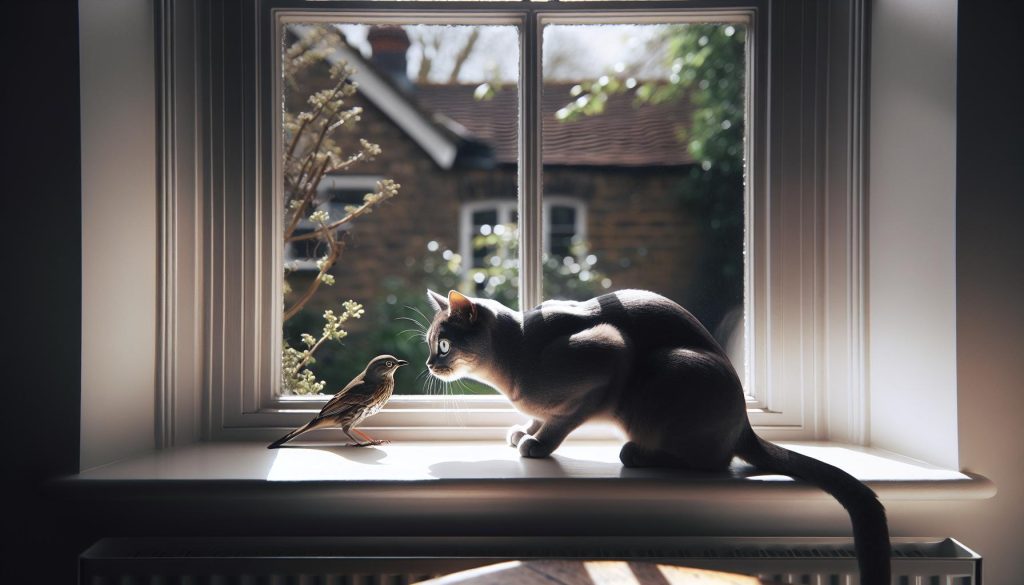
Have you ever watched your cat stalking a bird, with every instinct honed for the hunt? This behavior is not just a quirky quirk but rooted deeply in the nature of domestic cats. Understanding whether cats eat birds opens a window into their predatory instincts and the complex interactions within our ecosystems. Not only does this knowledge satisfy our curiosity as cat lovers, but it is vital for responsible pet ownership and wildlife protection. As we explore the reasons behind this predatory behavior-from instincts inherited from their wild ancestors to the impact of domestication-readers will find valuable insights that can inform how they care for their feline friends while considering the serene beauty of local bird populations. Join us as we delve deeper into the fascinating world of cats and birds, uncovering the delicate balance between these two beloved creatures.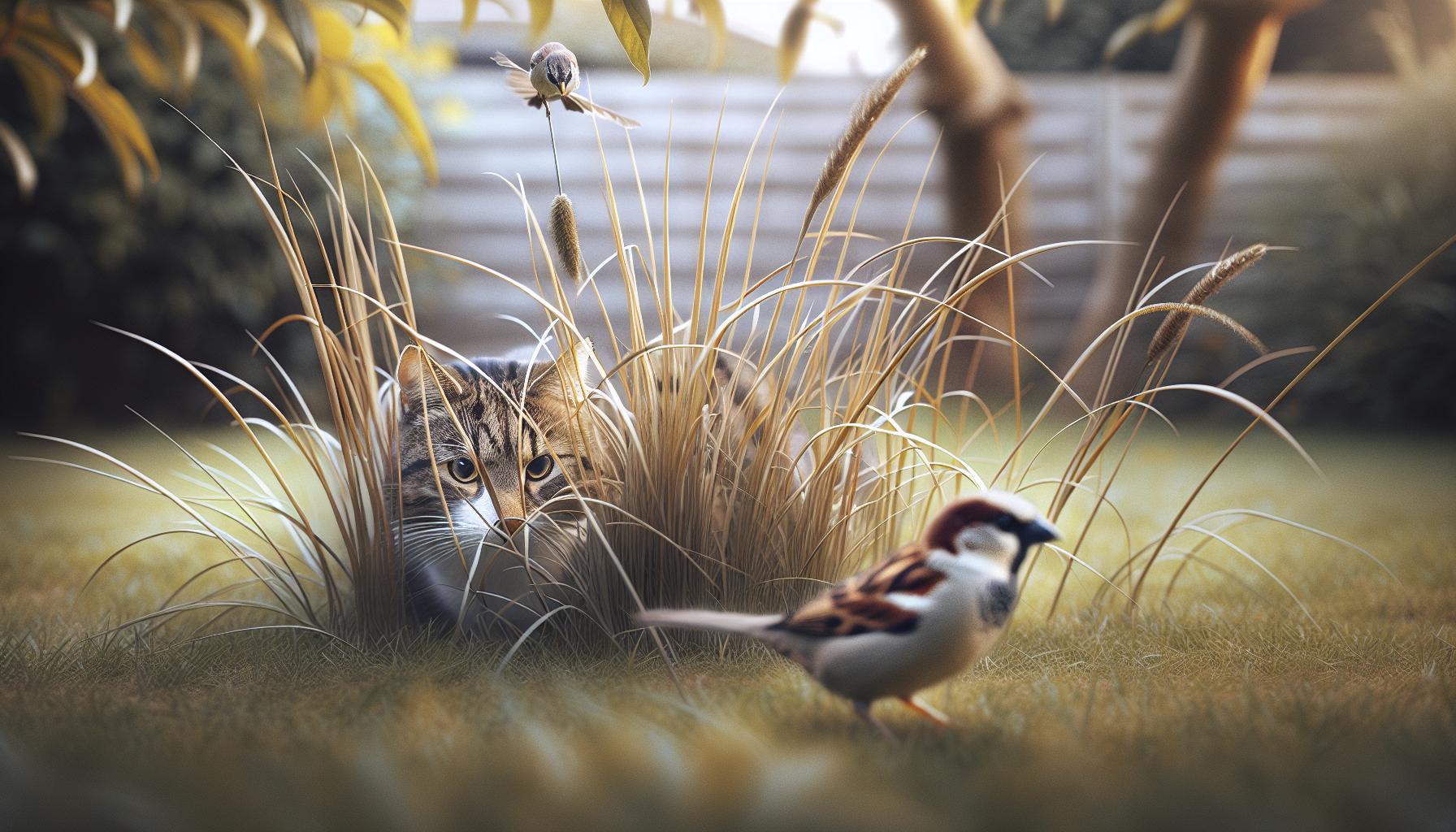
Do Cats Hunt Birds? Understanding the Instincts
Cats are extraordinary hunters, and their instinctual drive to stalk and bring down prey is deeply ingrained. Even well-fed domestic cats will often exhibit hunting behaviors such as stalking, pouncing, and capturing toys or, regrettably, small animals. This hunting instinct originates from their wild ancestors, where the need to hunt was essential for survival. Cats possess keen senses-especially acute hearing and sight-that help them detect movement and sounds, making birds particularly appealing targets. Observations reveal that many domestic cats still engage in these hunting rituals, employing their natural skills to chase after whatever small creature catches their eye, and this includes birds.
Understanding feline predatory behavior can be fascinating. The pounce, for example, is not just a playful act; it’s a skillful strategy honed over thousands of years to surprise and capture prey. Most cats will creep up quietly, using low body posture to avoid detection, then suddenly spring into action. This behavior is often termed “stalking,” and while it’s wonderful to watch in a playful context, it poses real risks to local bird populations. It’s important to remember that many of these birds comprise vital components of our ecosystem, playing essential roles in pest control, pollination, and seed dispersal.
To mitigate the impact of domestic cats on bird populations, we can implement various strategies. Keeping cats indoors during early morning and dusk when birds are most active can significantly reduce hunting opportunities. For those who wish to embrace the outdoor lifestyle, creating a catio or supervised outdoor playtime in a secure environment can offer enrichment while protecting birds. Providing stimulating toys that mimic the movements of birds can also satisfy a cat’s hunting instincts without the need for actual prey. Transitioning your cat into a more enriched indoor life not only keeps them safe but also fosters a sustainable environment for birds and other wildlife.
By acknowledging our furry companions’ instincts and balancing them with the needs of local wildlife, we can promote responsible pet ownership that honors the complex web of life we share. Embracing this responsibility not only enhances the well-being of our pets but also contributes positively to the ecological health of our communities.
The Science Behind Feline Predatory Behavior
Cats are remarkable creatures, and their predatory behavior is a captivating blend of instinct and learned skill. From the moment a kitten opens its eyes, it begins a journey of exploration and discovery that is deeply rooted in its ancestors’ survival tactics. Domestic cats (Felis catus) evolved from wild hunters that relied on acute sensory perception, agility, and cunning to capture prey. This evolutionary background is crucial in understanding why your cat might be so entranced by the fluttering of birds outside your window.
One of the key components of feline predatory behavior is their outstanding sensory perception. Cats possess exceptional night vision, allowing them to see in low light conditions where many birds may be most active. Coupled with their keen sense of hearing-approximately four to five times more sensitive than humans’-they can detect even the slightest rustle of a bird. This acute perception is supported by their flexible bodies and retractable claws, which enable them to stalk silently and pounce with precision. This behavior not only illustrates their hunting capabilities but also highlights the importance of providing opportunities for mental and physical stimulation, especially in indoor environments.
When it comes to the actual act of hunting, cats often exhibit a sequence of behaviors: stalking, chasing, and pouncing. Stalking is done quietly and stealthily, where the cat often lowers its body and moves slowly toward its target. This calculated approach is crucial for surprising prey, as many birds are oblivious to the potential danger. Once in range, a cat will engage in a full-speed chase, often ending with a pounce that is both graceful and impactful. Understanding these behaviors allows cat owners to create environments that both satisfy their pets’ natural instincts and protect vulnerable wildlife.
For caregivers looking to bridge the gap between their cats’ innate behaviors and the safety of local bird populations, enrichment is essential. Incorporating interactive toys that mimic the movements of birds or establishing safe outdoor areas, such as catios, can provide stimulating alternatives to hunting live animals. By doing so, owners can nurture their cats’ predatory instincts without jeopardizing the delicate balance of the local ecosystem, highlighting the importance of responsible pet ownership in safeguarding our feathered friends.
Common Bird Species at Risk from Cats
Birds are not just beautiful companions; they play critical roles in our ecosystems, from pollination to pest control. Unfortunately, these vital species face significant threats from outdoor cats, which account for billions of birds killed each year. Notably, some bird species are particularly vulnerable to cat predation, often due to their nesting habits or population status. Understanding which birds are at risk can empower pet owners to make informed decisions to protect our feathered friends.
Among the most affected are ground-nesting birds, such as the Piping Plover, a small shorebird whose populations are dwindling. They nest on sandy beaches and are often unaware of cats prowling nearby. Another at-risk group includes many songbirds, especially species like the American Tree Sparrow and House Sparrow, which are frequent visitors to backyards. Their tendency to feed on the ground makes them easy targets for stalking cats.
How Cats Threaten Native Birds
Cats, both feral and domestic, exercise their predatory instincts without regard to the safety of local wildlife. By preying on these birds, they contribute to a decline in their populations, especially in urban and suburban environments where bird habitats are already fragmented. The impact is especially severe for endangered and threatened species; for example, the Florida Grasshopper Sparrow is one of the rarest birds in North America, largely due to habitat loss and predation from cats.
Birds to Watch
Here’s a closer look at some bird species that are particularly vulnerable to cats:
| Species | Conservation Status | Habitat |
|---|---|---|
| Piping Plover | Threatened | Sandy beaches |
| American Tree Sparrow | Stable | Open fields and wetlands |
| Florida Grasshopper Sparrow | Endangered | Florida dry prairies |
| Common Yellowthroat | Stable | Wetlands and marshes |
It’s crucial for pet owners to recognize the importance of keeping cats indoors or in controlled outdoor environments to minimize their impact on wildlife. By understanding which birds are at risk and the specific behaviors that make them vulnerable, we can foster a safer coexistence between our beloved pets and the avian inhabitants of our ecosystems.
Signs Your Cat is Hunting Birds
Observing your cat in action can reveal some fascinating and instinctual behavior, especially when it comes to hunting. If you suspect that your furry friend has taken an interest in the birds fluttering around your yard, look for specific signs that indicate their hunting mode is activated. Cats are natural predators, expertly equipped with the instincts and traits necessary to stalk and catch their prey, including birds.
One of the most telling signs that your cat is actively hunting is their posture. When stalking, cats may crouch low to the ground, often appearing to blend into their surroundings. This “hunting crouch” allows them to minimize their profile and remain concealed from potential prey. Your cat’s tail may twitch or flicker, signaling excitement or agitation, as they prepare to pounce. Additionally, you might notice their ears swiveling in the direction of the sound, listening intently for rustling in the bushes or chirps from nearby birds.
Another behavior to watch for is their fixation on a particular spot or activity. If your cat is staring intently out a window or watching birds hop around on a nearby feeder, it can be an indication of their hunting instincts kicking in. They may also engage in “chatter,” a unique sound made when they see birds, which some experts believe mimics bird calls or expresses their frustration at being unable to catch them.
While it’s natural for cats to express these predatory behaviors, it’s essential to consider the welfare of local bird populations. If your cat is showing these signs, it might be a good moment to reflect on ways to manage their outdoor interactions to protect vulnerable bird species. Using deterrents, such as bird-safe collars with bells or creating an enclosed outdoor area, can help mitigate the risk to both the birds and your cat’s hunting adventures. Engaging your cat in indoor play with toys that simulate the hunt can also satisfy their predatory instincts while keeping both them and the local wildlife safe.
How to Protect Birds from Outdoor Cats
It’s astonishing to consider that up to 2.4 billion birds are killed each year in the United States alone due to domesticated cats. This figure serves as a stark reminder of the significant impact our furry companions can have on local ecosystems, particularly on vulnerable bird populations. Protecting these feathered friends while allowing your cat to express its natural behaviors is a balancing act, but there are effective strategies that every responsible cat owner can adopt.
One of the simplest and most effective methods to shield birds from outdoor cats is the use of deterrents. Bird-safe collars with bells can alert birds to a cat’s presence, giving them a chance to escape before being hunted. Additionally, consider creating a catio, an enclosed outdoor space that allows cats to enjoy fresh air and stimulation without posing a threat to wildlife. These structures can be customized with climbing shelves, scratching posts, and toys, turning the outdoors into a feline playground while keeping local birds safe.
Another proactive approach involves timing and supervision. Taking your cat outside during times when birds are less active, such as in the heat of midday, can reduce encounters. Moreover, always supervise outdoor time; a brief engagement with your cat can ensure they remain safe while preventing unsupervised hunting. If you have a garden or yard where birds often visit, this can also serve as a sanctuary for local wildlife.
To enrich your cat’s indoor life and reduce its desire to venture outside, engage in interactive play that simulates hunting. Use feather wands or laser pointers to mimic the movements of birds, allowing your cat to satisfy its instincts without harming wildlife. Additionally, providing various toys and puzzles can keep your cat mentally stimulated and less inclined to seek out outdoor adventures.
Ultimately, understanding the delicate balance between cat ownership and bird conservation is crucial. Each step taken towards protecting birds not only fosters better community relations but also enriches the lives of your pets. By implementing these strategies, pet owners can create a harmonious environment that respects the needs of both cats and the avian species we cherish.
How to Provide Enrichment for Indoor Cats
Indoor cats can often display boredom or restlessness, significantly increasing their yearning for outdoor adventures where they’ll instinctively pursue birds and other wildlife. As responsible pet owners, it’s essential to recognize this natural behavior and provide meaningful enrichment that keeps our feline friends engaged and satisfied within their indoor environments.
Interactive Play is one of the most effective ways to simulate hunting experiences. Feather wands, laser pointers, and even simple string toys can mimic the darting movements of birds, offering your cat the thrill of the chase without the risk to wildlife. Regular interactive sessions not only provide physical exercise but also promote mental stimulation, encouraging your cat to use their hunting instincts in a safe and productive way.
Engaging Environments
Cats thrive in dynamic spaces with plenty of opportunities for exploration and play. Consider setting up varied climbing structures such as cat trees, shelves, or even DIY solutions like wall shelves, which can recreate the vertical spaces a cat would enjoy outside. This allows energy to be burned off while satisfying their curiosity. Additionally, food puzzles can transform meal times into engaging challenges. These puzzles stimulate your cat mentally and provide a sense of accomplishment as they work to uncover their food – a much healthier option than seeking out outdoor prey.
Homemade Enrichment Activities
Creating a rich sensory environment can be achieved through simple, homemade toys. Many indoor cats enjoy scratchers made from cardboard or sisal, but you can elevate the experience with scents. For instance, you can rub catnip or silver vine on a cardboard box or scratching post, offering an enticing reason for them to engage with it.
Encouraging hunting practices can also take the form of hide-and-seek games. Hide treats around the house for your cat to find, tapping into their natural foraging instincts. This not only stimulates their mind but also leads to a gratifying search that mimics hunting behaviors.
In creating this enriching indoor space, you not only deter your cat’s inclination to hunt birds outside but also promote a happier, healthier indoor lifestyle. The key is to consistently rotate toys and activities to keep their environment fresh and engaging, fostering a deep bond and understanding with your feline companion while respecting the wildlife around us.
Tips for Responsible Cat Ownership and Bird Safety
Proper stewardship in cat ownership not only benefits our feline friends but also protects vulnerable bird populations that are at risk from predation. With estimates suggesting that outdoor cats kill billions of birds each year, responsible ownership can make a significant difference. By implementing practical strategies, you can enjoy your cat’s companionship while safeguarding local wildlife.
One effective strategy is to limit outdoor access. If you allow your cat outdoors, consider using cat enclosures or leashed walks to provide them with fresh air and stimulation without the risks to birds. An outdoor cat run can give your cat the joy of being outside while keeping them safely contained. If you prefer to keep your cat indoors, enhance their environment with interactive toys and climbing structures, allowing their natural instincts for exploration and play to flourish. Using products that mimic natural hunting scenarios, such as feather toys or puzzle feeders, can keep your cat engaged while ensuring birds remain safe.
Provide Mental and Physical Stimulation
Engaging your cat with a variety of toys and activities is crucial in keeping them content indoors. Consider rotating toys regularly to maintain their interest and avoid boredom. You can also create a “bird-watching” station by placing a bird feeder outside a window, giving your cat visual stimulation without the chance to hunt. This way, your cat satisfies its natural curiosity about birds without posing a threat to them.
Community Awareness and Collaboration
In addition to individual efforts, consider collaborating with your community on awareness initiatives. Educating other pet owners about the impacts of free-roaming cats on bird populations can foster a sense of responsibility among all cat owners. Simple actions like spaying and neutering to control population growth can further alleviate the pressure on local wildlife.
By taking these steps, you not only embrace the joys of cat ownership but also play a vital role in protecting bird populations. Together, we can create a balanced environment where both cats and birds thrive.
The Role of Cat Breeds in Predation
Fascinatingly, the instincts and abilities of domestic cats can vary significantly among different breeds, impacting their predatory behavior towards birds. Breeds like the Abyssinian and the Bengal are renowned for their energetic natures and strong hunting instincts, often displaying more interest in stalking and pouncing on potential prey than other more laid-back breeds like the Ragdoll or British Shorthair. The genetic predispositions of these breeds can either heighten or temper their hunting tendencies, leading to varying levels of risk for local bird populations.
High-Energy Breeds
Cats bred for their agility and hunting prowess display stronger predatory behaviors:
- Bengal: With their wild cat lineage, Bengals are natural hunters, possessing both speed and curiosity that make them highly effective in seeking out birds.
- Abyssinian: Known for their playful and inquisitive nature, Abyssinians can often be found stalking feathered creatures out of pure instinct and thrill.
Laid-Back Breeds
Conversely, some breeds are less inclined to engage in hunting behaviors, often preferring leisure over predation:
- Ragdoll: Characteristically gentle and laid-back, Ragdolls might show little interest in chasing birds, presenting a minimal risk.
- British Shorthair: Known for their calm demeanor, these cats tend to prefer lounging rather than stalking, making them less likely to hunt.
Understanding the nuances of cat breeds not only helps owners foster an appropriate lifestyle for their pets but can also guide efforts in protecting birds. For example, if you have a high-energy breed known for its hunting skills, investing in engaging indoor activities can be crucial. Interactive toys that mimic hunting, or providing vertical spaces for climbing, can satisfy their instinctual urges without putting local bird populations at risk.
In conclusion, recognizing the distinct predatory behaviors associated with various cat breeds allows for more informed and responsible cat ownership. By tailoring care and enrichment to a cat’s individual breed traits, we can create a safe environment for both our feline companions and our feathered friends.
Understanding the Impact of Cats on Bird Populations
Every year, domestic cats in the United States are responsible for the deaths of billions of birds, a statistic that highlights the significant impact these beloved pets can have on local avian populations. This predation occurs not only from direct hunting but also from the stress that outdoor cats place on bird species, disrupting nesting and feeding behaviors. Understanding this impact is essential for bird enthusiasts and cat owners alike, as it brings awareness to the delicate balance between feline instincts and wildlife conservation.
Cats, as apex predators, are driven by instinctual behaviors that can devastate bird populations, particularly those species that are already at risk. Species such as ground-nesting birds-including killdeer and many sparrow varieties-are especially vulnerable, as they nest in open areas where cats often roam. Furthermore, studies have shown that certain areas with high cat populations experience a noticeable decline in local bird diversity. The interplay of cat predation and habitat modification can lead to significant ecological consequences, making it vital for pet owners to consider the broader implications of their cat’s outdoor activities.
To mitigate the risks posed to birds, cat owners can adopt several responsible practices. Keeping cats indoors or in enclosed outdoor spaces, such as catios, can provide a safe environment for both pets and local wildlife. For those who choose to allow their cats outdoors, scheduling supervised “leash time” can provide enrichment without endangering birds. Additionally, investing in collars with bell systems can alert nearby wildlife to a cat’s presence, reducing surprise encounters.
Ultimately, fostering an awareness of the impact of our feline companions on bird populations encourages a more harmonious coexistence. By recognizing how our choices affect local ecosystems, we can take proactive steps to protect both our beloved cats and the vibrant avian species that enrich our world. Engaging with local bird conservation efforts or supporting community education programs can further bridge the gap between cat ownership and wildlife protection, benefiting all forms of life in our neighborhoods.
Best Practices for Bird Watchers with Cats
Every birdwatcher knows the thrill of spotting a colorful finch or hearing the melodious call of a warbler. However, if you also share your home with a cat, balancing your passion for avian observation with your feline friend’s natural predatory instincts can be a challenge. Here are some best practices that can help you enjoy both hobbies while ensuring the safety of your feathered neighbors.
To start, keeping your cat indoors is one of the most effective ways to protect local bird populations. Not only does this prevent direct predation, but it also safeguards your cat from potential dangers, such as traffic and other wildlife. If you want to offer your cat some fresh air without risking harm to birds, consider constructing a “catio.” These enclosed outdoor spaces allow your cat to experience the outdoors while keeping birds and other pets safe.
Feeding and Enrichment
Bird watchers often attract a variety of species to their yards with feeders, but it’s essential to position them thoughtfully. Place feeders in high places, away from places where your cat can hide and pounce. Opt for bird feeders that are designed with safety features, such as perches that prevent access from cats. Additionally, creating a dedicated play area with engaging toys can distract your feline friend and satisfy their hunting instincts without the risk of them taking their predatory behaviors outdoors.
Awareness and Supervision
If you do allow your cat outside, supervision is key. Use a leash and harness or supervise them in a safe enclosed area, such as a “cat garden.” This allows them to enjoy the sights and sounds of nature without being a threat to birds. It also provides a great opportunity for you to enjoy birdwatching together-just imagine the delightful simplicity of observing nature at a safe distance!
By being mindful of how we manage our cats’ outdoor time, bird watchers can foster a safe and enjoyable environment for both birds and pets. With these approaches, your love for birding can thrive alongside your care for your feline companion, contributing to a harmonious existence that benefits all species involved.
Exploring the Ethical Considerations of Cat Ownership
The delicate balance between cat ownership and bird conservation raises compelling ethical questions. Did you know that domestic cats are responsible for the extinction of at least 63 species of birds, mammals, and reptiles? This staggering fact highlights the urgent need for responsible pet ownership, especially for those who also cherish the beauty of nature and its avian inhabitants. As cat lovers, it’s essential to evaluate our pets’ instincts and behaviors and how they can sometimes adversely affect local wildlife.
By keeping our cats indoors or providing them with safe outdoor alternatives, such as “catios,” we can significantly mitigate the risk of predation on birds. Creating a secure play space not only safeguards avian populations but also enriches our cats’ lives by providing stimulation and exercise without the dangers of free-roaming. Additionally, responsible cat ownership can involve educating others about the impacts of outdoor cats and advocating for local policies that protect wildlife, fostering a community-wide approach to conservation.
Moreover, it’s crucial to reflect on the responsibilities that come with pet ownership. An ethical cat owner becomes attuned to the natural instincts of their feline companions while also recognizing their role in preserving biodiversity. This can involve using collars with bells to warn birds, placing feeders in locations that minimize hunting risks, and prioritizing enrichment activities that replicate hunting behaviors safely indoors. Ultimately, integrating these practices into our daily routines allows us to proudly align our love for cats with our passion for birdwatching, creating a harmonious coexistence that respects all forms of life.
FAQ
Q: Why are cats instinctively driven to hunt birds?
A: Cats are natural hunters, and their instinct to pursue birds stems from their ancestral traits as solitary hunters. This predatory behavior is crucial for their survival in the wild, making birds an appealing target due to their movement and calls. For more on hunting instincts, see the section “Understanding the Instincts.”
Q: What are signs that my cat has caught a bird?
A: If your cat has caught a bird, you may notice behaviors like proudly carrying it around, vocalizations, or an excited demeanor. Additionally, they might bring the bird to you as a “gift.” Explore more signs in “Signs Your Cat is Hunting Birds.”
Q: How do I keep my cat from killing birds?
A: To protect birds, keep your cat indoors, especially during peak bird activity times like dawn and dusk. Outdoor enclosures can provide safe play while preventing bird predation. For more tips, refer to “How to Protect Birds from Outdoor Cats.”
Q: What should I do if my cat is a bird killer?
A: If your cat has a history of catching birds, consider providing more engaging indoor activities, such as interactive toys or window perches for bird-watching. This can redirect their instincts. See “How to Provide Enrichment for Indoor Cats” for more ideas.
Q: Do certain cat breeds hunt birds more than others?
A: Yes, some breeds, like Abyssinians and Siamese, tend to have stronger predatory instincts compared to others. Researching breed characteristics can help you understand your cat’s behavior. Check “The Role of Cat Breeds in Predation” for insights.
Q: What birds are most at risk from outdoor cats?
A: Small birds, particularly ground-nesting species like sparrows and songbirds, are especially vulnerable to cat predation. Understanding their habitat can aid in protection efforts. More information can be found in “Common Bird Species at Risk from Cats.”
Q: Is it ethical to allow cats outdoors knowing they hunt birds?
A: Allowing cats outdoors raises ethical concerns regarding wildlife protection. It is essential to weigh the impact on local bird species against a cat’s natural instincts. Explore this topic deeper in “Exploring the Ethical Considerations of Cat Ownership.”
Q: How does cat predation affect bird populations?
A: Cat predation significantly impacts bird populations, contributing to declines in certain species, particularly in urban areas. It’s crucial for cat owners to be aware of these effects. For more on this issue, see “Understanding the Impact of Cats on Bird Populations.”
The Way Forward
As we’ve explored the fascinating dynamics between cats and birds, it’s clear that understanding these predatory behaviors is essential for pet owners and bird enthusiasts alike. Remember, while cats have natural instincts, providing enrichment and safer environments can help preserve our feathered friends. If you’re looking to dive deeper, check out our articles on “Creating a Bird-Friendly Garden” and “Top 10 Indoor Enrichment Activities for Cats.”
Your next steps could include signing up for our newsletter for expert tips or exploring our product pages for cat-safe bird feeders. Don’t hesitate to share your thoughts in the comments-do you have experiences to share or questions about keeping both cats and birds happy? Remember, your engagement helps our community grow and learn together. Let’s keep the conversation going, and make a positive impact!