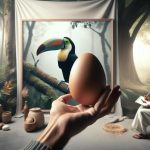
Did you know that many birds can see a broader spectrum of colors than humans? This fascinating ability plays a crucial role in their survival, influencing everything from mate selection to foraging. Understanding how birds perceive color not only enriches our appreciation for these remarkable creatures but also enhances our efforts in birdwatching and conservation. In this article, we’ll delve into the intricacies of avian vision, uncovering the science behind why birds experience color so differently. Whether you’re a curious beginner or an experienced birder, you’ll discover how this knowledge can deepen your connection with the avian world and guide you in creating bird-friendly environments. So, let’s explore how birds see the world through their vibrant lens!
Can Birds See Colors Differently Than Humans?
Birds inhabit a vibrant world that is far richer in color than what humans experience. While we perceive the spectrum of red, blue, and green, birds can see a broader array, including colors in the ultraviolet spectrum. This ability allows them to perceive patterns and details that are invisible to the human eye, which plays a crucial role in their daily lives, from foraging to mating.
The anatomy of a bird’s eye is key to its exceptional color vision. Birds possess additional types of cone cells compared to humans, enabling them to detect up to five primary colors. Where humans have three-red, green, and blue-birds typically have receptors for ultraviolet, blue, green, and two types of red. This specialization not only affects how they see colors but also how they communicate and interact with their environment. For instance, certain flowers may appear dull to us, but in ultraviolet light, they may exhibit intricate patterns that attract bird pollinators.
In practical terms, this superior color vision influences bird behavior significantly. Brightly colored plumage is not merely for show; it can indicate health and vitality when viewed in full color. Similarly, food items may reflect ultraviolet signals, helping birds quickly identify ripe fruits or suitable insects. For birdwatchers, understanding these visual cues can enhance the experience of observing these creatures in their natural habitats. Observing how different species utilize color-whether for camouflage, mating displays, or territorial markings-adds depth to the practice of birdwatching and fosters a deeper appreciation for avian life.
Understanding Bird Vision: A Comparative Approach
Birds experience color in ways that far exceed human capabilities, making their visual world both vibrant and complex. Imagine looking at a garden filled with flowers that seem muted and dull; now, envision how a bird perceives that same garden-a riot of colors, patterns, and ultraviolet hues that enhance their everyday activities. This unique view is critical for tasks such as foraging and mating, where vibrant colors signal the healthiest food sources or the most appealing mates.
One of the most fascinating aspects of avian vision is the structure of their eyes. Birds have evolved to possess more types of cone cells than humans-typically four to five, compared to our three (red, green, and blue). This multi-faceted vision includes ultraviolet light, which allows them to see what we cannot. For instance, flowers often display different ultraviolet patterns, making them more attractive to birds. This adaptation not only aids in pollination but also enhances the birds’ ability to identify ripe fruits or nutritious insects based on subtle color differences.
For birdwatchers, embracing the nuances of color perception in birds can significantly enrich the birdwatching experience. By understanding that brightly colored feathers or vibrant skin can indicate health and readiness to mate, we can better appreciate the behaviors exhibited during courtship rituals. Additionally, recognizing that many birds use color for camouflage or warning signals-from the muted tones of a ground-nesting bird to the flashes of color from an iridescent feather-can heighten awareness when observing species in their natural habitats. Exploring these fascinating details reveals not just how birds navigate their world but also how we can engage more deeply with them.
The Science Behind Color Perception in Birds
Birds inhabit a visual world that’s profoundly different from our own, making their ability to perceive color a remarkable topic of exploration. Unlike humans, who possess three types of cone photoreceptor cells to detect red, green, and blue light, many birds have four to five types of cones. This additional sensitivity allows them to perceive a broader spectrum of colors, including ultraviolet (UV) light, a part of the spectrum invisible to the human eye. As a result, flowers that appear plain to us might display a dazzling array of UV patterns, signaling ripe nectar and enhancing foraging success. This complex visual system empowers birds to navigate their environments with unparalleled acuity, locating food, identifying mates, and evading predators.
The science of color perception in birds hinges on both anatomical structure and ecological demands. Birds like the American Robin possess excellent color discrimination, which aids in their foraging strategies. For example, they can distinguish between different hues of berries, effectively targeting the ripest and most nutrient-rich options. In this way, color perception goes beyond aesthetic enjoyment; it plays a crucial role in survival. The evolutionary advantages conferred by their advanced vision highlight not just how birds see, but why they see in such a vibrant and varied palette.
Understanding these visual capabilities can significantly enhance the experience of birdwatching. When observing birds, take note of bright plumage or vivid markings, which often signal health or reproductive fitness. Birders can deepen their appreciation by recognizing that these colors serve as crucial signals in social interactions, from courtship displays to territory establishment. Moreover, some species utilize camouflage, blending seamlessly into their surroundings with colors that match their habitat, making them both beautiful and elusive.
Additionally, exploring color perception can inform your bird-friendly practices, such as the design of feeders or the selection of bird baths. Brightly colored structures that mimic the birds’ natural environment can attract a wider variety of species. By creating irresistible visual cues, we can foster a welcoming space for our feathered friends while gaining a closer look at their fascinating behaviors and interactions. Embracing the science behind avian color perception not only enhances our understanding of birds but also enriches our interactions with these remarkable creatures.
How Do Birds’ Eyes Work? Exploring Anatomy
Birds are equipped with some of the most fascinating ocular systems in the animal kingdom. Their eyes are a masterpiece of evolutionary design, allowing them to witness a world rich in color and detail that far exceeds human perception. The primary components that contribute to their exceptional vision include the placement of the eyes, the structure of the retina, and the types of photoreceptors present.
Birds generally have a higher density of photoreceptor cells known as cones in their retinas. Unlike humans, who possess three types of cones that detect red, green, and blue light, many birds have up to five different types. This not only enables them to see the standard colors we can, but also allows them to perceive ultraviolet light-a spectrum that is invisible to us. This capability can significantly impact their interactions with the environment, including identifying ripe fruit or potential mates. For instance, the bright plumage of many male birds is not merely for show; it often includes UV patterns that signify health and vigor to other birds.
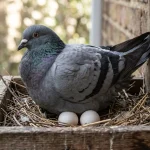
Moreover, the positioning of a bird’s eyes plays a crucial role in its visual capabilities. Many species, such as hawks, have forward-facing eyes that grant them excellent depth perception and binocular vision, essential for hunting. In contrast, prey birds like pigeons are equipped with eyes positioned on the sides of their heads, which allows for a broader field of view to detect predators. Understanding these nuances in eye anatomy and positioning can enrich your birdwatching experience. Observing a bird’s head movements may reveal how it utilizes its unique vision to navigate its surroundings and interact with other species.
In addition to their fabulous color perception, birds’ eyes are adapted for rapid movement and sharp focus. For example, raptors can spot prey from great distances due to their acute vision, which is elevated by a special feature called the fovea. This area in the retina enhances detail recognition, enabling them to see fine details while in flight. Therefore, learning about how bird eyes function not only deepens our scientific knowledge but also enhances our appreciation of their behaviors and adaptations within various habitats.
In summary, by understanding the intricate workings of avian vision, bird enthusiasts can better appreciate the complexities of bird behavior and their interactions with the vibrant world around them. Observing these majestic creatures through this lens transforms the act of birdwatching into a rich and rewarding experience, allowing one to glimpse the myriad ways in which birds utilize their superior vision to thrive in their environments.
A Spectrum of Colors: What Birds Can See
Birds inhabit a vibrant world brimming with colors that often remain hidden from human eyes. While we appreciate the beauty of rainbows, our color spectrum is limited compared to that of birds, many of which can perceive an expanded array of hues. This fascinating capability is rooted primarily in the special photoreceptor cells in their eyes and their unique ocular adaptations. Most birds have an uncanny ability not only to see colors that we can but also to interpret ultraviolet light, which is fundamental in various aspects of their everyday life-from foraging to mating.
The complexity of bird vision stems from the number of cone types, which are the photoreceptors responsible for color detection. While humans typically have three types-red, green, and blue-birds can possess up to five, allowing them to discern a much richer palette. This means that a simple flower in your garden may exhibit an array of colors to a bird, including shades of ultraviolet that we cannot perceive. Consequently, when selecting flowers or bird feeders, opting for bright colors can be particularly inviting for avian visitors, as they are naturally drawn to these vibrant hues, which often signal food sources.
Behavioral Impact of Color Perception
Birds use their acute sense of color in various behavioral contexts, most notably in communication and mating. For instance, male birds often exhibit striking plumage patterns that include UV-reflective properties, which play a crucial role in attracting mates. Species like the American Goldfinch showcase brilliant yellow feathers that are not merely eye-catching; they also reflect UV light, signaling to potential partners their health and genetic fitness. Understanding these color dynamics not only enriches our appreciation of avian life but also enhances our birdwatching efforts. I often find that spending time observing the interactions between male and female birds can shed light on the invisible cues that play a significant role in their courtship displays.
Choosing the Right Colors for Feeding Stations
To attract a wide variety of birds to your backyard, it’s essential to consider the colors of the feeders and the types of foods offered. Here are some practical tips:
- Opt for Bright Colors: Use feeders in vibrant colors, such as red, yellow, or orange, that will stand out to birds, particularly hummingbirds.
- Offer Diverse Food: A mix that includes seeds, fruits, and even nuts can appeal to different species, each drawn to their favorite colors.
- Reflect UV Light: If possible, choose feeders that can reflect UV light, attracting species like the Blue Jay or the Cedar Waxwing, which can perceive these frequencies.
With such intricate visual capabilities, the experience of birdwatching becomes not only a chance to enjoy their beauty but also an opportunity to connect with their fascinating sensory world, enriching your understanding of this diverse animal group.
Are Some Birds Colorblind? Debunking Myths
Birds are often perceived as possessing an extraordinary visual capacity, but a common misconception emerges when discussing their ability to see colors: the idea that some birds are colorblind. This notion can be misleading, as it oversimplifies the complexity of avian vision. While it is true that color perception varies significantly among bird species, the term “colorblind” warrants deeper exploration.
Most birds are not colorblind in the way humans understand the term; rather, they can see a broader spectrum of colors than we can. For example, species such as pigeons and chickens have been shown to possess the capacity to see ultraviolet light, which is completely invisible to us. This adaptation enhances their ability to navigate their environment and locate food sources. Additionally, many birds exhibit heterogenous types of color vision. While some may have fewer types of color receptors, modern studies reveal that they still perceive colors distinctly, albeit differently from humans.
Misconceptions about colorblindness can lead to misunderstandings in how we design bird-friendly environments. To attract various species effectively, it’s important to recognize what colors resonate powerfully with them. Using vibrant colors combined with UV-reflective elements in feeders or birdhouses will likely increase engagement from a wider array of birds.
Birdwatchers should also be aware of these visual preferences when choosing spots for observation. Take the time to research the species native to your area and their specific visual capabilities. For instance, while a blue jay may be attracted to bright blue feeders, other species may respond better to red or yellow accents. A little understanding can go a long way in creating an inviting landscape for these wonderful creatures, allowing you to witness their full glory in the vibrant tapestry of avian life.
Birds and UV Light: A Hidden Range of Colors
Birds experience the world of color in ways that are vastly different from human perception, largely due to their ability to see ultraviolet (UV) light. This hidden spectrum not only adds a new dimension to their visual experience but significantly impacts their behavior, communication, and feeding habits. While we perceive the world in a range of about 400-700 nanometers, many birds can see wavelengths below this limit, extending their visual capabilities into the UV range (10-400 nanometers) and enhancing their ability to navigate and identify resources.
Among the species known for their remarkable UV vision, the American robin provides a fascinating example. These birds can detect UV markings on fruit, which are invisible to the human eye but serve as indicators of ripeness and nutrition. By understanding these subtle cues, robins can effectively target high-quality food sources. Similarly, many flowers have evolved to reflect UV light, attracting bird pollinators, especially hummingbirds, who rely on this invisible signal to find nourishment in their nectar-rich blooms.
Moreover, UV perception plays a crucial role in social interactions and mating rituals. Male birds often display plumage that reflects UV light more intensely than that of females, signaling vitality and genetic fitness. For instance, the plumage of a male blue tit looks drab to our eyes but dazzles in UV light, making them more appealing to potential mates. This vibrant showcase can influence mating success, as females tend to select mates based on their UV-reflective traits.
For birdwatchers, understanding the significance of UV light can enhance the birding experience. When setting up feeders or birdhouses, considering colors that reflect UV light can attract a wider variety of species. Using UV-enhanced materials or selecting brightly colored options that are UV-reflective will not only make your backyard a pleasantly colorful sight but also cater to the unique visual preferences of avian visitors. By acknowledging the complexities of bird vision, one can create an inviting habitat that is both engaging for birds and a delight for human observers alike.
How Color Influences Bird Behavior and Communication
The vibrant colors of a bird’s plumage are more than just a feast for the eyes; they serve critical roles in behavior, communication, and survival. For many bird species, colors are vital signals that convey information about health, territory, and reproductive status. Imagine a dazzling male peacock displaying its extravagant feathers; this vivid display is not just for show-it’s an evolutionary adaptation that communicates genetic fitness and attracts potential mates. The same concept applies to numerous other species where brighter colors often indicate a healthier, more vigorous individual.
For instance, many songbirds showcase varying shades of bright colors, particularly during the breeding season. In species like the American goldfinch, the male’s vivid yellow plumage is a direct signal to females about his vitality and suitability as a partner. This colorful exhibition not only helps them find mates but also serves as a deterrent to rival males who recognize that the brightly colored flaunter is in good health and worth competing against. Conversely, duller plumage colors may suggest energy conservation and lower fitness, affecting their chances in competitive breeding scenarios.
Birds also leverage their color vision to decipher social cues from their surroundings. In species such as the blue jay, the exquisite blues and blacks enable them to notice subtle differences in plumage among their peers, which is critical for maintaining social hierarchies and territories. Social signaling often reveals intricate behavioral patterns. For example, birds may take on brighter colors when they are in optimal condition to defend their territory, while stress or illness can lead to a muted appearance, affecting interactions with others.
It’s fascinating to note that the perception of color can influence feeding behaviors as well. Many birds are attracted to specific colors in flowers and fruits, aligning with the previously mentioned UV vision. By recognizing color cues, they can select the most nutritious and ripe food sources available, optimizing their energy intake. As you craft wildlife-friendly spaces in your garden, consider using vibrant feeder options and native plants known for their appealing colors to enhance your backyard’s biodiversity.
Engaging with bird behavior through the lens of color perception enriches the birdwatching experience. Observing the way colors influence interaction and stewardship in avian life provides a deeper understanding of their ecological roles. It’s a reminder that by appreciating the colors in our feathered friends, we are witnessing nature’s intricate communication and adaptive strategies.
The Role of Color in Bird Mating Rituals
In the captivating world of avian courtship, color plays an absolutely crucial role. Think about the striking coloration of a male cardinal during the breeding season; it’s not just a beautiful sight, but a powerful signal in the complex language of bird attraction. Males often flaunt vibrant hues to catch the attention of prospective mates, as well as to assert their dominance over rivals. This vivid display of color acts as a visual cue that communicates health, vitality, and genetic fitness, factors that are critical in the mating decisions of female birds.
During the breeding season, many birds experience changes in plumage color-a phenomenon best seen in species like the male American redstart, whose bright orange and black feathers serve to attract females while also signaling to other males that they are strong contenders. The intensity of a male’s coloration is often dictated by his diet, overall health, and environmental conditions, making vibrant colors indicative of a male’s ability to thrive in his habitat. Females often exhibit preferences for the brightest and most well-kept partners, which can lead to a feedback loop where brighter males produce even brighter offspring, reinforcing these traits throughout generations.
Birds also utilize color in a more intricate manner during courtship displays. Take the elaborate mating rituals of the bowerbird, for instance. Male bowerbirds construct intricate structures decorated with colorful items-anything from flowers to shiny objects-to attract females. These displays, enhanced by the array of colors presented, are not just aesthetic; they showcase the male’s skills and attention to detail, painting a picture of his suitability as a mate. The female’s selection process is finely tuned to these factors; she evaluates not just the choice of colors but also the quality and balance of the entire display.
Another layer to consider is how varying species perceive color. Some birds can see ultraviolet light, giving them access to a spectrum that is invisible to the human eye. This heightened sense allows them to interpret complex visual signals that enhance mate selection. For instance, a female may see patterns on a male’s feathers that indicate health and genetic vigor, which play a pivotal role in her mating decision. Utilizing your knowledge of these vibrant colors and their meanings can significantly enhance your birdwatching experience, allowing you to appreciate these fascinating behaviors intertwined with vivid hues in the natural world.
Birdwatching Tips: Spotting Colorful Birds
As you embark on the exciting journey of birdwatching, the vivid colors of our avian friends beckon to be discovered and appreciated. Did you know that many birds can perceive colors in a way that vastly exceeds human vision? They can see into the ultraviolet spectrum, revealing patterns and hues that are invisible to us. This extraordinary perception not only enhances their beauty but also plays a crucial role in their behavior and interactions. To spot these colorful creatures, you need the right approach and a bit of patience.
First and foremost, timing and location are key. Different species thrive at different times of day; early mornings and late afternoons tend to be the most active. Head to local parks, wetlands, or nature reserves where diverse habitats exist. Pay attention to flowering plants or fruit-bearing trees, as many birds are attracted to these resources. Being mindful of seasonal migrations is also beneficial-certain species are only present during specific months, so checking local birdwatching calendars can significantly enhance your chances of spotting rare visitors.
Utilizing optical tools can elevate your birdwatching experience. A good pair of binoculars allows you to observe details from a distance without disturbing the birds. Look for binoculars with at least 8x magnification, making it easier to see colorful markings on birds such as finches or warblers without getting too close. Field guides or bird identification apps can also prove invaluable. They offer insights into key identification features and range maps, helping you recognize species that flaunt striking colors-like the stunning Indigo Bunting or the vibrant Baltimore Oriole.
To increase the allure of your yard or birdwatching spot, consider incorporating colorful feeders that attract vibrant species. Bright red or orange feeders can draw in hummingbirds. Offering a varied diet with fruits, seeds, and nectar will encourage an array of colorful visitors. Additionally, creating a diverse environment with native plants encourages birds to come and explore for both food and shelter.
Finally, develop patience and be observant. Sometimes, the most colorful birds can be quite elusive, blending into their surroundings or remaining hidden. Staying quiet, still, and using natural cover can give you the upper hand. Take notes on your sightings, as keeping a personal bird journal not only tracks which species you’ve encountered but also deepens your understanding of their habits and behaviors, enriching your birdwatching experience. From the resplendent colors to their fascinating behaviors, immersing yourself in the world of birds is an invitation to engage with nature like never before.
Species Spotlight: Color Vision in Popular Birds
The vibrant world of birds is not only a feast for the eyes but also a testament to the complex ways in which these creatures perceive their environment. One of the most captivating aspects of avian life is their extraordinary ability to see colors, often in ways that humans cannot even fathom. Birds such as the American Robin and the Eastern Bluebird utilize their exceptional color vision for vital behavioral cues, from foraging to mating displays. Understanding how specific species perceive color can greatly enrich your birdwatching experience and appreciation for these creatures.
American Robin
The American Robin, with its russet belly and bright yellow beak, exemplifies birds’ unique visual capabilities. Robins can detect a broad spectrum of colors including purple and ultraviolet (UV) hues, allowing them to spot ripe fruits or insects hidden in foliage more efficiently than the human eye. Utilizing their color vision during mating season, males display their bright plumage to attract females, who are perceptive to colors that signal health and genetic fitness. Observing these behaviors in your backyard can be even more rewarding if you provide native plants that attract these beautiful creatures, ensuring a nourishing habitat.
Common Yellowthroat
The Common Yellowthroat, a small songbird found in marshy areas, boasts a striking yellow throat and a distinctive black mask. Its ability to see UV light plays a vital role in its foraging strategy. Many insects reflect UV light, thus appearing more vibrant to the yellowthroat, which helps it locate these food sources effectively. Adding native grasses or weedy patches to your garden can draw in these shy yet colorful birds, providing a glimpse of their active foraging behaviors.
Peacock
Moving beyond the typical backyard bird, the peacock showcases an extreme example of color vision and display. Male peacocks possess iridescent tail feathers that appear to change color based on the angle of light. Their ability to see UV light not only aids in finding food but is critical during courtship. The elaborate feather patterns that are vivid in UV light are a vital part of their mating rituals, making these birds a stunning illustration of how color plays a role beyond mere aesthetics.
Engaging with birds like the American Robin, Common Yellowthroat, or the extravagant Peacock provides a wonderful opportunity to observe and appreciate their unique color perception. By creating an inviting environment filled with native plants and proper feeders, you can attract these species and observe their fascinating interactions. Whether you’re a seasoned birder or a curious beginner, understanding the color vision of popular birds enhances your birdwatching adventures and deepens your connection to the avian world.
Practical Guide: Choosing Colorful Feeders and Toys
Creating a colorful environment for birds is not just visually appealing; it can significantly enhance your birdwatching experience and engagement with avian species. When selecting feeders and toys, it’s crucial to remember that birds perceive colors in ways that greatly differ from humans, thanks in part to their ability to see ultraviolet (UV) light. This insight should guide us in curating a vibrant and effective setup to attract a variety of species.
In choosing bird feeders, opt for those designed with bright, contrasting colors that can easily grab the attention of birds. Yellow, red, and orange are particularly effective for attracting songbirds, especially in species like American Goldfinches and Cardinals. Additionally, look for highly visible feeder designs-clear plastic or glass feeders that let sunlight shine through can create visually striking reflections. Consider incorporating ultraviolet elements, as some feeders are specially designed with UV colors that are visible to birds but not to the human eye, making them irresistibly attractive.
When it comes to toys for pet birds or enriching environments for backyard visitors, opt for colorful items made from safe, non-toxic materials. Brightly colored wooden toys and hanging structures that offer different shades and textures can stimulate a bird’s curiosity and playfulness. Incorporating toys with reflective surfaces can also appeal to birds’ fascination with light. Always ensure these toys are durable to withstand the playful antics of your feathered friends, and regularly check for safety to avoid any hazards.
In addition to feeders and toys, think about the surrounding habitat. Planting native flowers that bloom in vibrant hues can attract birds even before they arrive at feeders. Bird-friendly plants not only provide food and shelter but also enhance the visual element of your birding space, creating a nurturing ecosystem that is rewarding for both the birds and the observer. A well-planned setup invites birds into your yard, allowing for delightful interactions and the chance to witness their unique behaviors up close.
FAQ
Q: How do birds perceive colors compared to humans?
A: Birds have a more advanced color perception than humans due to the presence of four types of color receptors (cones) in their eyes. This allows them to see colors in the ultraviolet spectrum that are invisible to us, enhancing their ability to spot food and communicate.
Q: What role does color play in avian mate selection?
A: Color significantly influences mate selection among birds. Bright plumage often signals good health and genetic fitness, making colorful males more attractive to potential partners. Observing specific mating rituals in colorful species can provide insights into their reproductive strategies.
Q: Can all birds see ultraviolet light?
A: Most bird species can see ultraviolet (UV) light, which expands their visual spectrum beyond the capabilities of humans. This ability helps them detect patterns on feathers and flowers that are imperceptible to us, aiding in foraging and mate attraction.
Q: Are there any bird species that are colorblind?
A: While most birds can see a broad range of colors, some species exhibit limited color vision. However, it’s a misconception that colorblindness in birds follows the same patterns as in humans; several develop unique adaptations to compensate for their specific visual needs.
Q: How does color influence bird behavior during foraging?
A: Color affects foraging behavior by guiding birds towards certain food sources. Brightly colored fruits and flowers often signal ripeness or availability, encouraging birds to feed on them. Understanding these cues can enhance birdwatching experiences.
Q: When do birds use their color vision the most?
A: Birds rely heavily on their color vision during critical times such as foraging, mating rituals, and territory defense. Their acute vision aids in identifying ripe fruits, noticing potential mates, and recognizing rivals based on coloration.
Q: Why do some birds display vibrant colors?
A: Vibrant colors in birds often serve multiple purposes, such as attracting mates, warning predators, and establishing territorial boundaries. These colors help communicate species, sex, and health status, contributing significantly to their survival and reproductive success.
Q: What features of a bird’s eye enhance its color vision?
A: Birds have large eyes equipped with a high number of cone cells, which are specialized for color detection. Additionally, their eyes are positioned for a wide field of vision, and some species possess oil droplets that filter light, enhancing color perception even further.
The Conclusion
Understanding how birds perceive color can deepen your appreciation for these fascinating creatures and their vibrant world. As we’ve explored, their vision allows them to see a spectrum far beyond what humans can, playing a crucial role in their behavior and interactions. If you’re eager to learn more about bird behavior, check out our articles on Bird Communication and Feeding Habits to enhance your awareness even further!
Don’t miss the chance to transform your birdwatching experience-subscribe to our newsletter for the latest insights and tips straight to your inbox! Have any questions, or want to share your own birdwatching stories? Join the conversation in the comments below. Your journey into the avian world doesn’t have to end here; explore more and deepen your understanding of these incredible creatures today!
Get our latest guides, news, and insights highlighted in your Google Search & AI Overviews.