Have you ever wondered how messages traveled across vast distances before the advent of modern communication? Enter the carrier pigeon-an incredible feat of nature that has served humanity for centuries. These remarkable birds, known for their homing ability, played vital roles in historical events, from ancient civilizations to wartime communication.
In this article, we will explore the fascinating history of carrier pigeons, delving into their origins and various uses throughout time. Not only did they help save lives on battlefields, but they also served as valuable messengers in everyday life. Whether you are a bird enthusiast, a history buff, or simply curious about these avian messengers, you’ll gain insight into the world of carrier pigeons and tips on how they can enrich your understanding of nature. Join us as we uncover the unique traits and captivating stories behind these extraordinary birds!
What Are Carrier Pigeons? An Overview
Carrier pigeons, often referred to as homing pigeons, are remarkable birds renowned for their extraordinary ability to return home over long distances. These domesticated birds have been utilized for centuries, serving as vital messengers during times of war, and playing a significant role in communication before the advent of modern technologies. Contrary to what the name may suggest, these pigeons are not a separate species but rather a domesticated variety of the rock pigeon, specifically bred for their navigation skills and homing instincts.
These birds are typically recognized by their robust build, broad chest, and elegant, streamlined bodies. They usually possess a mix of colors, with blue-gray plumage being the most common. What sets carrier pigeons apart is their innate ability to recognize their home location, often returning from distances exceeding 500 miles with impressive accuracy. This astounding navigational ability is primarily attributed to their keen eyesight and exceptional spatial memory, which allows them to memorize routes and landmarks along their journey.
In addition to their historical significance, carrier pigeons have gained a special place in modern birdkeeping and racing communities. They thrive in well-maintained environments where they receive proper care, including balanced nutrition and ample flying space. Beginners contemplating keeping carrier pigeons should prioritize establishing a secure loft and ensuring these birds have opportunities for daily exercise to develop their natural instincts. Caring for these birds not only fosters a deep connection but also offers insights into their fascinating social behaviors, making them a rewarding addition to any bird enthusiast’s collection.
The Fascinating History of Carrier Pigeons

Throughout history, carrier pigeons have proven to be invaluable allies, transcending their humble origins as wild birds to become fabled messengers in times of need. This domesticated variety of the rock pigeon has been used for thousands of years, from the ancient Mesopotamians, who employed them as a means of communication, to the prized feathered messengers of modern-day pigeon fanciers. One captivating aspect of their history is their role in the military; during both World Wars, carrier pigeons were instrumental in delivering critical messages across battlefields, often risking their lives to ensure communication between troops.
The fascinating journey of carrier pigeons highlights not only their remarkable navigation abilities but also the affection and trust humans place in them. For example, in World War I, one pigeon named Cher Ami became a celebrated hero after delivering a vital message that saved the lives of nearly 200 soldiers, despite being injured. Their tireless work did not go unnoticed, as many pigeons received medals for their bravery and service, establishing a unique bond between humans and these flighty messengers.
As the 20th century unfolded, carrier pigeons maintained both strategic importance and a place in popular culture. They appeared in literature, art, and even cinema, further cementing their status as symbols of loyalty and communication. With the advent of modern technology, however, their role diminished. Yet, their fascinating legacy continues to live on through pigeon racing and hobbyist communities, where enthusiasts still revel in training and keeping these exceptional birds.
Both novice and experienced keepers can draw inspiration from the rich history of these remarkable pigeons, understanding that each bird carries not just messages but also stories of resilience and connection. Embracing this heritage not only enriches the experience of caring for carrier pigeons but also illuminates the remarkable bond that has formed between humans and these extraordinary creatures over the centuries.
Key Characteristics of Carrier Pigeons
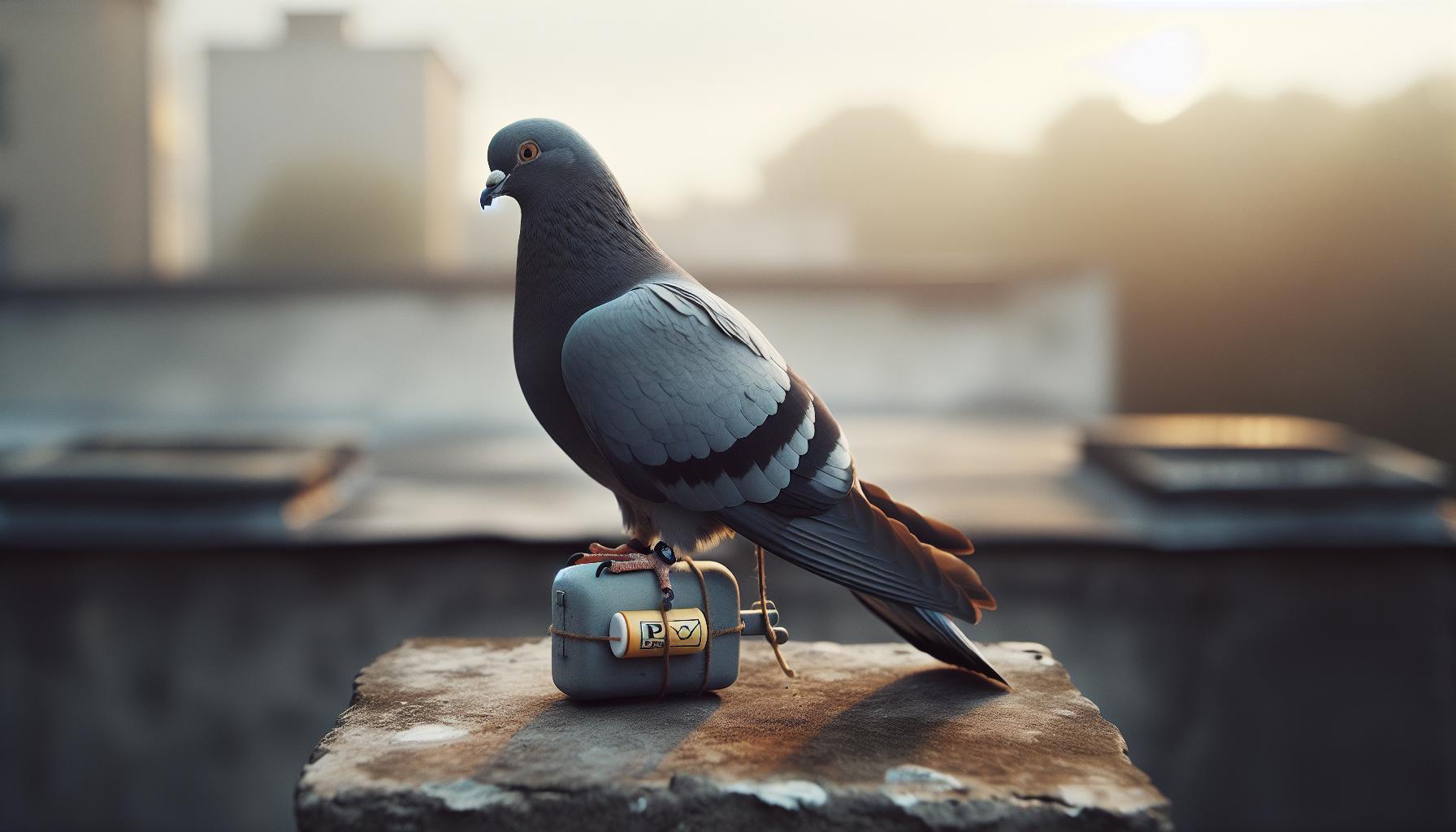
Carrier pigeons, known scientifically as Columba livia, are remarkable birds that have captivated human interest through their unique characteristics and abilities. One of the most striking features of these birds is their innate homing instinct, allowing them to return to their home lofts over incredibly long distances-sometimes exceeding 1,000 miles. This powerful navigational ability is complemented by their exceptional flight skills, as they can reach speeds of up to 60 miles per hour. Enthusiasts often note how a well-trained pigeon can fly great distances efficiently, making them invaluable in contexts where communication is crucial.
In terms of physical characteristics, carrier pigeons are generally medium-sized birds, with a robust body, short neck, and relatively large head. Their plumage is typically a mix of gray, white, and black, though selective breeding has resulted in a variety of colors and patterns among domestic breeds. They possess strong wings and a deep keel, which aids in flight endurance and agility. Their keen eyesight is essential for identifying landmarks during their journeys, further showcasing their suitability as messengers.
Understanding the behavior of carrier pigeons is crucial for anyone interested in keeping or training them. These birds are social creatures that thrive in flocks, so it’s beneficial for them to be housed in pairs or small groups. They are also known for their affectionate nature and familiarity with their handlers, making them a joy to care for. Proper nutrition, consisting primarily of high-quality grains and fresh water, is essential for maintaining their health and enhancing their flight capabilities.
Moreover, the legacy of carrier pigeons extends beyond their physical traits and behaviors. Their storied history as messengers during critical periods, such as during World War I and World War II, highlights their role in human communication and connection. As modern technology continues to evolve, the legacy of these extraordinary birds not only persists in competitive racing and as pets but also in the fond memories and esteemed traditions of those who have worked with them. Whether you are a novice or an experienced breeder, there is always something to learn and appreciate about these fascinating avian companions.
How Do Carrier Pigeons Work?

Carrier pigeons operate through a remarkable combination of instinct, training, and navigation skills that have been honed over centuries of breeding. Central to their functioning is their astonishing homing ability, which allows them to return to their home lofts even from unfamiliar locations often several hundred miles away. This instinct is not just random; it is believed to be influenced by a combination of factors, including the Earth’s magnetic fields, visual cues from the landscape, and even olfactory signals.
To utilize this ability effectively, handlers often begin the training process when the pigeons are young. Initial steps typically involve bringing the pigeons short distances from their home loft, gradually increasing the distance as their confidence and skills build. This phase is crucial, as it helps the pigeons recognize their home location through repeated exposure. Consistency and positive reinforcement during training ensure that they associate the loft with safety and food.
Once a pigeon is trained, its functionality deeply relies on the unique mechanics of its navigation. Upon release, the carrier pigeon assesses its surroundings and utilizes its acute vision to identify landmarks and memorize the route back to its loft. Research indicates that they can remember a vast array of visual details, allowing them to make quick decisions during flight. The pigeons can reach speeds of up to 60 miles per hour, making them efficient messengers even across great distances.
In practical terms, messages are typically attached to the pigeon’s leg in a small canister or capsule. When released, the carrier pigeon travels back to its home, where the handler retrieves the message. This method proved vital in various historical contexts, such as during both World Wars, where pigeons sent crucial messages that aided in strategic communications. The combination of their instinct, extensive training, and navigational prowess exemplifies why carrier pigeons have been revered throughout history, and why they still intrigue bird enthusiasts and historians alike today.
The Role of Carrier Pigeons in War
The utilization of carrier pigeons during wartime stands as one of the most fascinating chapters in the history of avian communication. In an era when electronic communication was nonexistent and ground transportation often perilous, these remarkable birds provided a reliable and rapid means of delivering critical messages across considerable distances. Although the mechanism of their homing ability is awe-inspiring, it’s their deployment on the front lines that truly underscores their significance.
During World War I and World War II, carrier pigeons were integrated into military operations, proving invaluable in orchestrating communication among troops. Equipped with the ability to fly at speeds of up to 60 miles per hour, they could traverse the chaotic battlefield, often delivering messages even under bombardment. A striking example comes from World War I, when a pigeon named Cher Ami became a hero after successfully carrying a message that led to the rescue of nearly 200 soldiers from the “Lost Battalion.” Despite injuries sustained during flight, Cher Ami not only delivered the message but also received a military honor for her bravery.
Deployment and Impact
Carrier pigeons were meticulously trained and strategically deployed for various missions. To accomplish this, military units maintained lofts close to the frontline. Here’s how they played a critical role in warfare:
- Messengers of Last Resort: In desperate situations where traditional lines of communication were compromised, pigeons served as a lifeline, conveying crucial orders or intelligence.
- Emergency Alerts: When radio communications failed, which was not uncommon due to interference or enemy action, pigeons provided an alternate method for sending urgent updates.
- Surveillance Reporting: Troops utilized pigeons to report enemy movements or alert command about frontline conditions, ensuring their safety and improving tactical decisions.
The training of these birds was rigorous; handlers began their education early, exposing young pigeons to longer distances progressively. The focus was on building their homing instinct and ensuring they could navigate back to their lofts even from unfamiliar territories. This training not only strengthened their natural abilities but also meant that once released, they could fly home directly with miniaturized messages attached to their legs in capsules designed to protect the message from weather and damage.
Legacy of the Feathered Fighters
The legacy of the carrier pigeon during war extends beyond their immediate impact. After the conflicts, many pigeons were recognized for their service, with some receiving medals for their actions. Today, the historical significance of these birds is commemorated in museums and memorials, symbolizing courage and communication in the face of adversity.
For bird enthusiasts and novice keepers alike, the story of carrier pigeons offers a captivating glimpse into how animals can profoundly affect human history. Their role as silent but steadfast messengers remains a testament to the remarkable bond between humans and nature, reminding us that sometimes, the simplest solutions can prevail even amidst chaos.
Carrier Pigeons in Communication Before Technology
In an age before the internet and instant communication, the carrier pigeon was an invaluable asset for relaying messages across vast distances swiftly. These remarkable birds, with their innate homing ability, became trusted messengers, bridging gaps of communication where other methods faltered. They were not just birds; they played a crucial role in history by enabling people to connect when time was of the essence.
Throughout history, carrier pigeons have been used by various cultures for essential communication. Ancient Egyptians, Romans, and Greeks utilized these birds for sending news and important messages. In times of war, the carrier pigeon’s reliability shone even brighter. Before the invention of telephones and radios, military commanders relied heavily on these pigeons to transmit orders or alerts in the heat of battle. Their ability to navigate back to their home lofts, even from unfamiliar territories, made them a lifeline during critical moments.
The use of carrier pigeons in communication was characterized by several key methods that enhanced their efficacy. Messages were typically written on lightweight paper and secured in small capsules attached to the pigeon’s leg. The simplicity of this system allowed for rapid message transmission without the vulnerabilities associated with horseback couriers or messengers on foot, who could encounter numerous dangers along the way. During significant conflicts, such as World War I, thousands of pigeons were trained and deployed, with some, like Cher Ami, becoming heroes due to their exceptional service under harrowing conditions.
The charm of carrier pigeons lies not only in their remarkable skills but also in their deep-rooted connection to human history. They stand as a testament to the innovative ways humans have utilized animals to overcome communication barriers, showcasing a partnership that intertwines nature with necessity. Today, while technology offers more advanced means of communication, the legacy of carrier pigeons reminds us of the simplicity and efficiency of nature’s solutions during times of need.
Modern Uses of Carrier Pigeons Today

Carrier pigeons, once indispensable birds of communication, continue to find unique modern applications, showcasing their remarkable homing abilities in today’s world. Beyond their historical roles in warfare and urgent messaging, these fascinating creatures are being utilized in innovative ways that resonate with both nostalgia and practicality.
One of the most intriguing modern uses for carrier pigeons arises in adventurous environments, such as whitewater rafting. Guides in these challenging settings have turned to pigeons to transport USB sticks containing photos captured during trips. This not only provides a fascinating link to history but also offers a reliable method of sending physical information back to shore when other communication means may be compromised by the elements [1].
Moreover, certain military organizations, like the Chinese People’s Liberation Army and the French Ground Army, have retained small units of carrier pigeons. These birds serve as a contingency communication system in situations where electronic communications can be disrupted by enemy actions or electronic warfare. This strategic re-adoption of carrier pigeons underscores their timeless utility in ensuring critical messages are transmitted even under duress [2].
In a more interactive educational context, locations such as Kfar Kedem have embraced the nostalgia of carrier pigeons by offering experiences that allow visitors to send messages using these remarkable birds. Participants can engage in the age-old practice of releasing pigeons, observing their navigation skills as they return home, thus connecting with a communication method that has shaped civilizations [3].
As interest in pigeon keeping as a hobby endures, the modern landscape of carrier pigeons is evolving. Whether serving practical roles or delighting enthusiasts with their historical significance, these birds continue to bridge the past with present-day innovations in communication and recreation.
Training Techniques for Carrier Pigeons
Training carrier pigeons is a rewarding endeavor that taps into the remarkable abilities of these birds, particularly their instinctual homing skills. These pigeons, known for their navigation prowess, can return home over long distances, making them exceptional messengers. Whether you’re a beginner or an experienced enthusiast, understanding the key techniques for training these feathered friends will enhance your experience and help you form a strong bond with them.
To start training your carrier pigeons effectively, follow these essential techniques:
Building a Strong Foundation
Establishing trust is paramount. Begin by ensuring your pigeons feel safe and comfortable in their surroundings. Spend time with them daily, allowing them to recognize you as a source of food and care. This connection builds their confidence and lays the groundwork for successful training.
Feeding and Bonding
Use feeding time to encourage bonding. Provide high-quality feed and ensure they associate you with positive experiences, such as treats. Once they trust you, you can introduce them to their loft, where they will spend most of their time. Ensure that the loft is well-ventilated, spacious, and equipped with perches to allow them to relax.
Gradual Distance Training
Once your pigeons are settled into their loft, initiate their training by taking them on short flights. Start with distances of about one mile and gradually increase to five miles or more. During each trip, release them, allowing them to fly back home. Pigeons possess a strong sense of orientation, so they will rely on their instincts to find their way home, reinforcing their homing abilities.
Consistency is Key
Repeat this process regularly, increasing the distances incrementally after your pigeons successfully return from shorter trips. Consistency is crucial, as it helps them build confidence and familiarity with the surrounding areas. Ideally, train your pigeons in various weather conditions, as this will also prepare them for unforeseen circumstances in the future.

In conclusion, training carrier pigeons requires patience, understanding, and consistency. By creating a supportive environment and gradually increasing the distance of their flights, you harness their incredible homing abilities while establishing a lifelong partnership that reflects both utility and companionship.
Caring for Your Carrier Pigeon: A Beginner’s Guide
Caring for carrier pigeons can be a deeply rewarding experience, especially as you learn to appreciate their unique characteristics and needs. These remarkable birds are not just beautiful and intelligent; they thrive with proper care and dedication. Creating a welcoming environment is essential for your pigeons to flourish. Ensure their loft is clean, safe, and has adequate ventilation, as fresh air is crucial for their health. A spacious loft with perches will allow them to relax and retreat, creating a sense of security that is vital for their wellbeing.
Feeding your pigeons a balanced diet is one of the cornerstones of good care. High-quality pigeon pellets, supplemented with grains, seeds, and fresh vegetables, provide the essential nutrients they need to stay healthy. Depending on their activity level, you may need to adjust their food intake. It’s important to monitor their weight regularly, as overweight pigeons can suffer from health issues. Additionally, providing fresh water is non-negotiable; clean water must always be readily accessible to keep them hydrated.
Social interaction is another critical aspect of caring for carrier pigeons. These birds are highly social creatures and thrive on companionship. Spend time with them daily, allowing them to become accustomed to your presence. Handle them gently and regularly to establish trust. This interaction not only enriches their lives but also strengthens the bond between you and your pigeons.
Hygiene is also a significant part of your pigeon’s care routine. Clean their loft frequently to prevent disease and keep it free from droppings and debris. Regularly check them for signs of illness or distress, such as changes in appetite or behavior, which can indicate health issues that may require veterinary attention. By paying close attention to these details, you’ll not only promote their health but also enjoy a rewarding relationship with your feathered friends.
In summary, with dedication to their diet, social needs, and overall hygiene, you’ll create a nurturing environment that allows your carrier pigeons to thrive, ensuring both their happiness and your success as a_handler.
Common Myths About Carrier Pigeons
When it comes to carrier pigeons, many myths and misconceptions cloud their true nature and abilities. One of the most common myths is that these birds are simply messengers, often depicted as having an innate ability to find their way home regardless of distance or circumstances. While it’s true that carrier pigeons are renowned for their homing instincts, this ability is not magical; it relies heavily on their training and familiarity with their surroundings. They navigate using visual cues such as landscape features, the position of the sun, and even Earth’s magnetic field, making regular training flights essential for them to fine-tune their skills.
Another misconception is that all pigeons can serve as carriers. In reality, carrier pigeons are a specific breed-known as homing pigeons or messenger pigeons-developed over thousands of years for their strong homing abilities. They can return to their home loft from distances of hundreds of miles! While other types of pigeons exist, they lack the same training and genetic predisposition for navigation. When selecting a pigeon for racing or messaging, enthusiasts often opt for breeds like the Racing Homer, which has been specifically bred for endurance and speed.
It’s also worth addressing the idea that carrier pigeons are dirty or disease-ridden animals. While, like any pet, they can carry diseases if not cared for properly, carrier pigeons themselves are clean creatures when properly kept. Regular cleaning of their lofts, along with routine health checks, ensures they remain healthy and thriving. Additionally, many pigeon breeders take great pride in the cleanliness and care of their pigeons, understanding that good hygiene is key to their wellbeing and performance.
Lastly, some may think that carrier pigeons do not require much care or attention, similar to what many might expect from a wild bird. On the contrary, they are social animals that thrive on interaction and regular handling. Establishing a bond through daily care not only contributes to their happiness but also enhances their performance when it comes to racing or carrying messages. Understanding these birds, debunking myths, and learning how to properly care for them can foster a deeper appreciation for these remarkable avian athletes.
The Legalities of Keeping Carrier Pigeons
Keeping carrier pigeons can be a rewarding endeavor, but it’s essential to consider the various regulations that may govern their ownership. In many regions, specific laws pertain to the keeping, breeding, and training of these remarkable birds, primarily to safeguard their welfare and manage the risk of disease transmission. As an aspiring pigeon enthusiast, familiarizing yourself with these legalities not only protects your hobby but also contributes to the responsible care of the species.
First and foremost, you should check your local and state ordinances, as these can significantly differ. In some areas, no permits are required for keeping carrier pigeons, while others might necessitate a registration or permit, particularly if you are breeding them or maintaining a large number. It’s also crucial to understand zoning regulations, as certain residential areas might have limitations on farm animals or even specific types of pets. Always explore resources provided by local bird clubs or avian societies; these organizations often have guidelines to help you navigate the legal landscape.
Moreover, consider animal welfare laws that dictate the humane treatment of pigeons. Regulations may require you to provide adequate housing, food, and veterinary care for your birds. Maintaining a clean and safe environment is not only good practice-it’s often mandated by law. You might also encounter restrictions on breeding practices to prevent overpopulation or inbreeding, ensuring the health of the birds. Be prepared to keep records of your pigeons, which could include details about their lineage, health history, and any treatments they receive, as this information may be required by law in some jurisdictions.
In addition to local laws, you should stay informed about national guidelines and practices related to avian health and transportation. For example, specific measures may be enforced to prevent the spread of avian diseases, especially when taking your pigeons to races or exhibitions. Be mindful of any certifications needed for travel and the documentation required when participating in pigeon-related events.
To further navigate the legalities surrounding carrier pigeons successfully, consider joining a local pigeon racing association or an avian welfare organization. These groups not only provide valuable resources and support but also keep their members informed about any changes in legislation. By adhering to local laws and promoting ethical practices, you’ll be contributing to a community that celebrates the unique bond between humans and carrier pigeons.
Comparative Analysis: Carrier Pigeons vs. Other Bird Species
The versatility of carrier pigeons is quite remarkable, especially when you consider how they stack up against other bird species. Unlike most birds, which might occupy specific roles in our ecosystems or serve merely as pets, carrier pigeons have a unique duality of function: they are pets and highly skilled messengers that have historically played pivotal roles in human communication. They possess an unparalleled homing ability, enabling them to navigate back to their lofts over great distances, often exceeding hundreds of miles. This remarkable trait sets them apart from many other domestic bird species, as most birds lack such navigational prowess.
When comparing carrier pigeons to other popular domesticated birds, such as parrots or canaries, several distinctions emerge. For instance:
- Intelligence and Training: Carrier pigeons, particularly homing pigeons, are known for their capacity to be trained effectively for navigation and distance flying. In contrast, while parrots showcase impressive intelligence, their training typically focuses more on speech and simple tricks rather than navigational abilities.
- Care Requirements: In terms of care, pigeons require specific housing environments designed for their flying capacities, along with a diet tailored to their energy needs. Parrots may require more interaction and mental stimulation, with toys and socialization being crucial to their well-being.
- Length of Lifespan: Carrier pigeons can live for 15 years or more under proper care, comparable to many parrot species which may live considerably longer, sometimes up to 50 years, significantly influencing ownership considerations.
Looking at their roles beyond companionship, carrier pigeons have served in various capacities, especially in wartime, which is a comparison point with other species like dogs. While dogs have historically been recognized as loyal companions and excellent service animals, carrier pigeons were invaluable messengers during conflicts, capable of delivering messages even under adverse conditions. Their ability to fly high and swiftly enabled them to bypass many dangers that ground troops could not, reinforcing their historical importance.
Ultimately, the choice between keeping carrier pigeons and other birds often boils down to the owner’s intentions. If one seeks companionship coupled with the thrill of racing or message delivery, carrier pigeons are a captivating choice. For those leaning toward interactive pets engaged in vocalization and tricks, parrots may be the preferred option. Understanding these differences enhances appreciation for the unique qualities of carrier pigeons, ensuring that caretakers are well-informed about their special needs and the fascinating roles they can play in our lives.
Frequently asked questions
Q: What role did carrier pigeons play in historical communication?
A: Carrier pigeons were essential in historical communication, notably during wars, where they transported messages across enemy lines. Their ability to find their way home from long distances made them reliable messengers before the advent of modern communication technologies. For more on this, check out “The Role of Carrier Pigeons in War”.
Q: How are carrier pigeons trained for messaging?
A: Carrier pigeons are trained through consistent conditioning methods that involve establishing a home base. Owners gradually increase the distance from which the pigeons are released, reinforcing their navigation skills. This training process is crucial for their effectiveness in messaging roles, as detailed in the section on “Training Techniques for Carrier Pigeons”.
Q: What are the common myths about carrier pigeons?
A: Common myths include the belief that all pigeons are carrier pigeons and that they always return home. In reality, only specific breeds possess the homing instinct, and successful messaging depends on proper training and care. Explore more in “Common Myths About Carrier Pigeons”.
Q: Are carrier pigeons still used today?
A: Yes, carrier pigeons are still used today for specific events, such as races, and some enthusiasts utilize them for personal messaging and communication. Their skills are celebrated in various competitions, showcasing their enduring legacy. For current uses, visit “Modern Uses of Carrier Pigeons Today”.
Q: What are the legal requirements for keeping carrier pigeons?
A: Legal requirements for keeping carrier pigeons vary by location and may include permits for breeding and housing. It’s essential to check local regulations regarding bird ownership before acquiring pigeons. For detailed guidelines, see “The Legalities of Keeping Carrier Pigeons”.
Q: How do carrier pigeons navigate over long distances?
A: Carrier pigeons use a combination of visual cues, magnetic fields, and olfactory signals to navigate. Their excellent memory helps them recognize landmarks, making them capable of returning home from impressive distances, which is detailed in the “How Do Carrier Pigeons Work?” section.
Q: What distinguishes a carrier pigeon from other pigeon breeds?
A: Carrier pigeons, particularly homing pigeons, are specifically bred for their navigation skills, strong sense of direction, and endurance. Unlike other breeds, their training and homing instinct set them apart for messaging purposes. For a comparative analysis, check “Comparative Analysis: Carrier Pigeons vs. Other Bird Species”.
Q: What should I consider before getting a carrier pigeon as a pet?
A: Consider the space for flying, daily exercise requirements, and diet before getting a carrier pigeon. Understanding their social nature is crucial, as they thrive when kept in pairs or small groups. For a complete beginners’ guide, refer to “Caring for Your Carrier Pigeon: A Beginner’s Guide”.
In Retrospect
As we’ve explored the fascinating world of carrier pigeons, we hope you’ve gained a deeper appreciation for their rich history and remarkable uses. Whether for communication during wartime or as loyal companions, these birds have proven to be more than just a feathered friend. If you’re inspired to learn more about keeping and caring for these intelligent creatures, be sure to check out our guides on pigeon behavior and breeding.
Don’t miss out on our articles discussing other remarkable bird species and their unique adaptations. We invite you to subscribe to our newsletter for updates and insights into avian care, ensuring you stay connected with our community of bird enthusiasts. Have questions or experiences to share? Join the conversation in the comments below! Your journey into the world of carrier pigeons could just be the beginning-let’s discover more together!