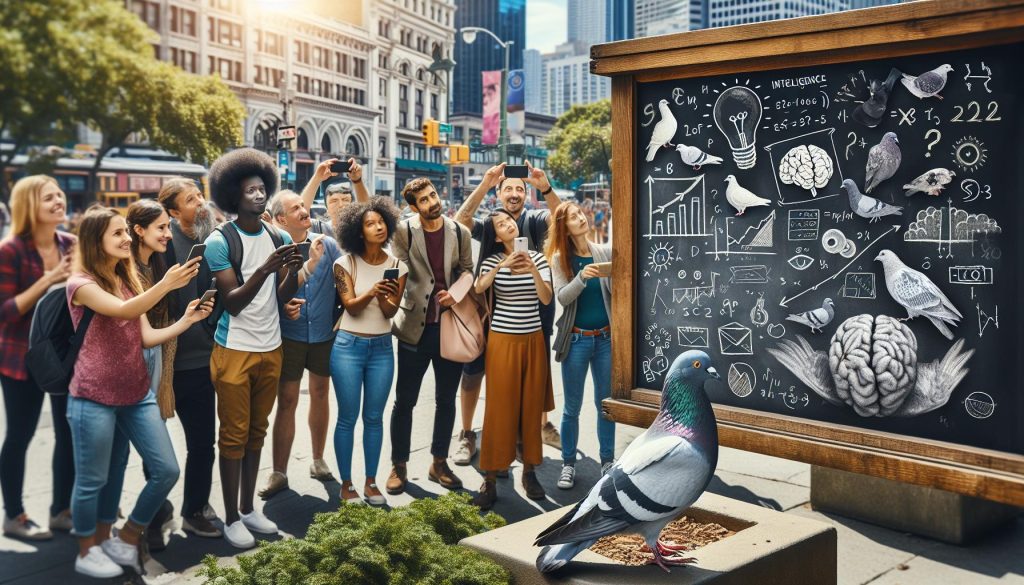
Did you know that pigeons have shown the ability to recognize themselves in mirrors? This fascinating trait is just one example of their remarkable intelligence, which often goes overlooked. In “Are Pigeons Smart? Intelligence Facts That’ll Surprise You,” we delve into the cognitive capabilities of these often-misunderstood birds. From their impressive navigation skills to their ability to learn complex tasks, pigeons demonstrate a level of intelligence that rivals some of our more traditionally celebrated pets. Understanding their smarts not only enhances our appreciation for their role in our ecosystems but also contributes to more effective care and interaction strategies for those who keep them. Ready to uncover the surprising facts about pigeon intelligence? Let’s explore the incredible world of these avian thinkers together!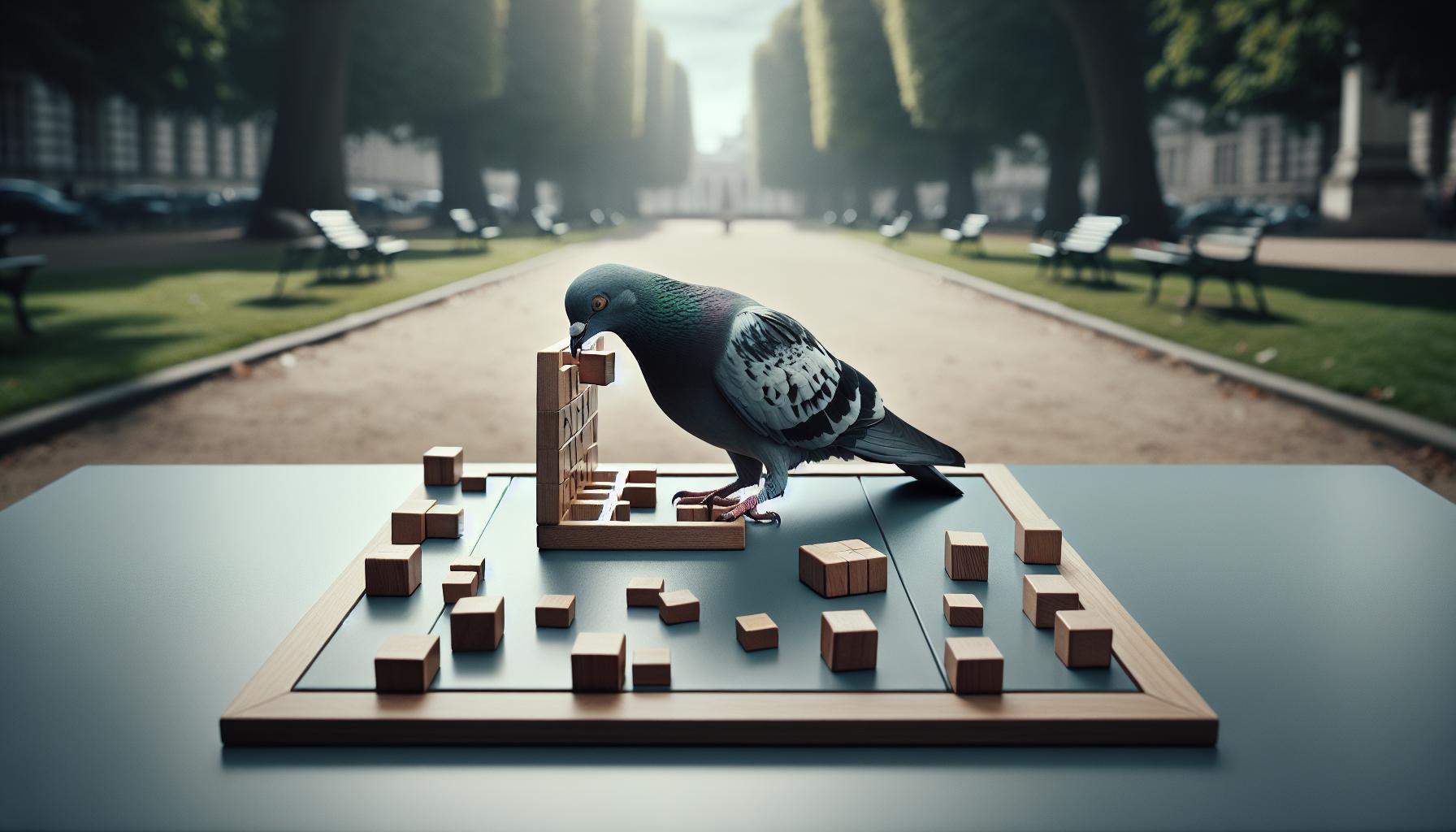
Are Pigeons Really Smart? Understanding Their Intelligence
Did you know that pigeons can recognize themselves in a mirror, a trait shared with only a few highly intelligent species? This remarkable ability hints at a level of self-awareness and cognitive complexity that challenges common misconceptions about these birds. Pigeons are often overlooked as mere city nuisances, yet studies have shown that they possess profound intellectual capabilities, making them one of the most fascinating avian species.
Research has revealed that pigeons can outperform human college students on certain memory tests, demonstrating their exceptional learning and problem-solving skills. They can remember thousands of images and can even distinguish between different artistic styles. Their ability to recognize human faces is not just a parlor trick; it serves a practical purpose, allowing them to navigate their environments and maintain social bonds. Pigeons use visual and spatial cues to adapt their behaviors, showcasing impressive adaptability that rivals more commonly celebrated species like crows and parakeets.
Moreover, the intelligence of pigeons is evident in their training capabilities. They can learn to perform complex tasks, such as playing games or even navigating obstacle courses, using conditioning techniques akin to those used with dogs and other animals. This adaptability not only makes them fascinating companions for bird enthusiasts but also underscores their role in various human endeavors, from racing to art. Understanding these abilities can reshape our relationship with pigeons and highlight their place in the avian hierarchy of intelligence.
The Science Behind Pigeon Intelligence: Key Facts and Studies
Pigeons, often underestimated and regarded as common city birds, have fascinated scientists with their remarkable intelligence. Research has uncovered an array of cognitive abilities in pigeons that challenge traditional views of avian intelligence. For instance, studies show that these birds can count, recognize themselves in mirrors, and even grasp abstract concepts. One particularly striking experiment revealed that pigeons could differentiate between the artistic styles of Picasso and Monet-a testament to their advanced visual and cognitive skills [3].
In addition to their artistic discernment, pigeons have been shown to excel in memory retention. They can remember thousands of unique images and are adept at recognizing individual human faces. Such capabilities are not just insignificant feats; they serve practical purposes in navigation and social interaction among flocks. Pigeons utilize familiar landmarks and spatial orientation to effectively maneuver their environments, showcasing a degree of adaptability that rivals even some of the most celebrated bird species like crows [2].
Moreover, the training potential for pigeons is extensive. Researchers employ various conditioning techniques to teach pigeons complex tasks, from navigating obstacle courses to discerning meaningful words from random letter sequences. This extraordinary flexibility in learning makes pigeons not just subjects of scientific curiosity but also valuable partners in human-animal interactions. Their cognitive abilities have even paved the way for contributions to important fields, including medical diagnostics, where some pigeons have been trained to identify cancerous cells in medical imaging [3].
Understanding the depth of pigeon intelligence reshapes not only how we view these birds but also highlights their significant role in both natural ecosystems and human culture. As we continue to explore their capabilities, we come closer to appreciating the complex lives these seemingly ordinary birds lead.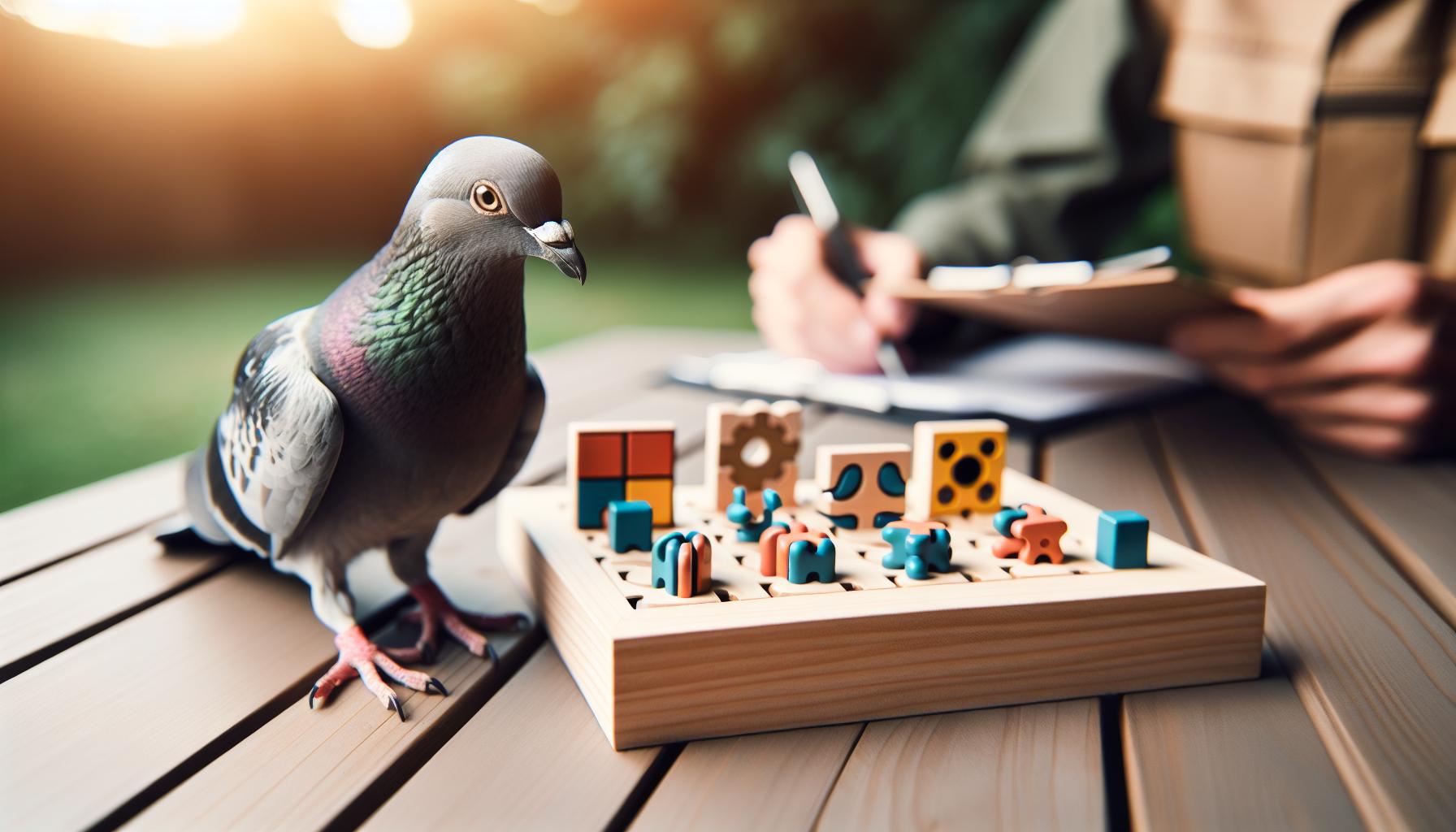
Remarkable Memory: How Pigeons Recognize Faces
Pigeons possess an astonishing ability to recognize and remember human faces, a skill that has been the subject of scientific curiosity and admiration. Studies have shown that these birds can distinguish between individual faces, remembering them for extended periods-even years. In experiments, pigeons were presented with photographs of individuals, and they learned to identify those faces accurately, even under varying conditions. This remarkable memory is not just a party trick; it serves critical functions in their social interactions and navigation within their environments.
The ability to recognize faces stems from pigeons’ advanced visual processing abilities. Their brains are adept at extracting and remembering unique visual features, allowing them to differentiate between people based on various cues, such as skin tone, hairstyle, and facial structure. This capability is incredibly beneficial for urban-dwelling pigeons that often interact with humans. Recognizing familiar faces helps them avoid potential threats from those who may not be friendly, creating a social map that allows them to navigate safely through bustling environments.
When considering these cognitive abilities, it’s essential to understand how practical this skill is for pigeons in the wild. They thrive in complex urban settings where they must remember safe feeding locations, navigate between obstacles, and maintain social bonds with their flocks. The capacity for long-term memory is not just a biological curiosity; it equips pigeons with the tools they need to adapt effectively and thrive alongside humans in our cities. These intelligent birds challenge our assumptions about avian cognition and highlight the intricate relationship they maintain with their environment and the species that populate it.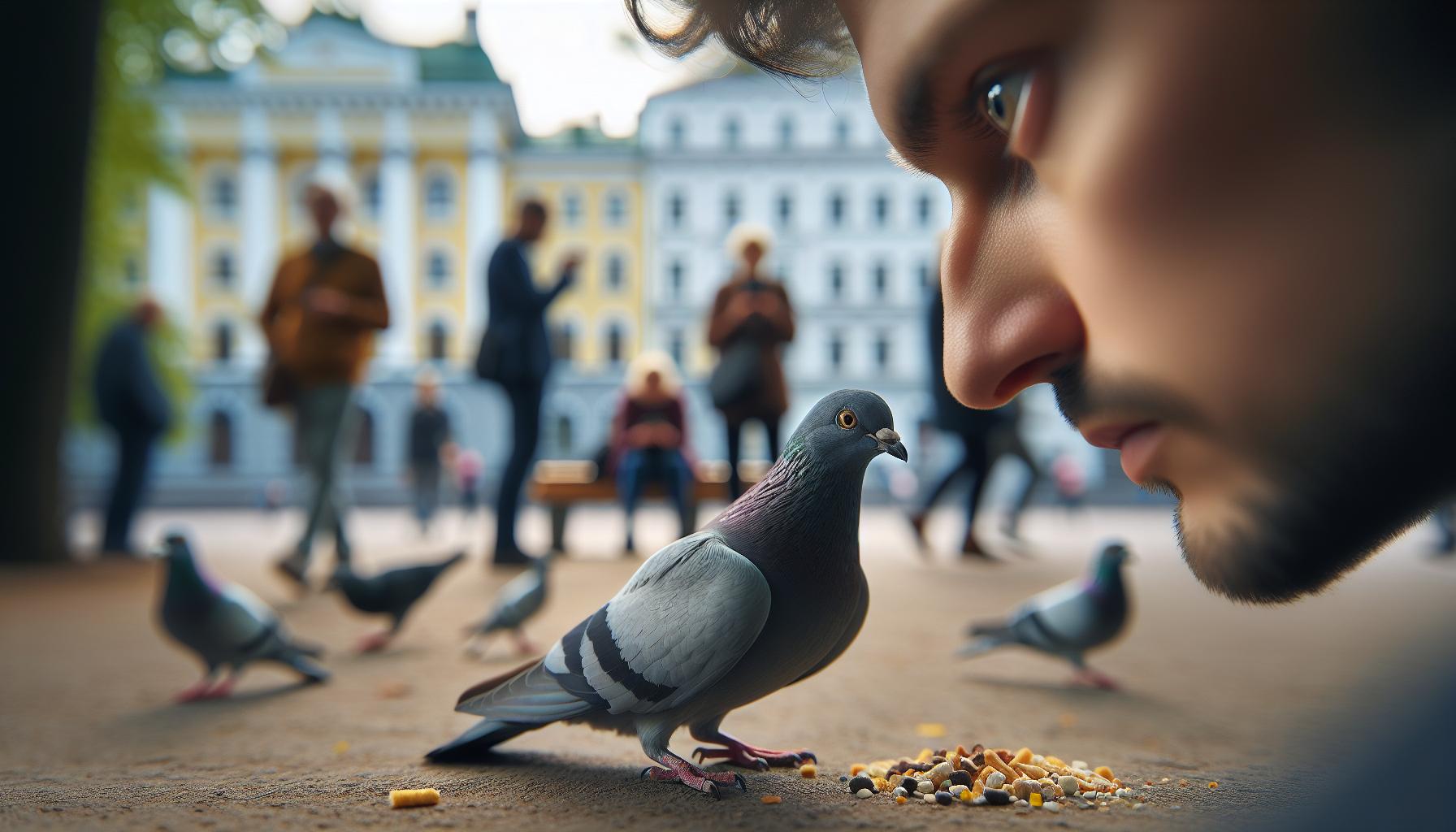
Pigeons in the Wild: Adaptability and Problem-Solving Skills
In the bustling realm of urban environments, pigeons exhibit remarkable adaptability and problem-solving skills that often go unnoticed. These intelligent creatures navigate the complexities of city life with a level of ingenuity that is truly impressive. For instance, pigeons have been observed altering their flight paths to avoid obstacles, such as moving vehicles or construction sites, effectively demonstrating their ability to learn from their surroundings. This adaptability is critical in urban settings, where changes occur rapidly and unpredictably.
One of the most fascinating aspects of pigeon behavior is their foraging strategy. Pigeons possess a keen sense of observation and memory that aids them in locating food sources. They can remember the locations of food from previous days and even differentiate between safe and unsafe spots based on past experiences. By honing their problem-solving abilities, they can quickly adapt to new feeding conditions or competition with other birds. For example, if a particular cafe or park has closed temporarily, pigeons will adeptly shift their feeding patterns to explore other locations, showcasing their resilience and cleverness.
Pigeons also exhibit social intelligence in their interactions with each other. They often engage in complex social dynamics such as forming alliances and recognizing kinship. This social adaptability enables them to thrive in groups, offering protection against predators and increasing their chances of finding food. Researchers have documented instances of pigeons using strategies, like distracting a rival while another feeds, exemplifying a level of cooperative behavior that enhances their survival.
By understanding these behaviors, we not only gain insight into the intellectual capacities of pigeons but also learn how to care for them more effectively in domestic environments. Providing a variety of feeding spots, enriching their living spaces, and ensuring a safe environment can enhance their well-being and allow their natural problem-solving skills to flourish. In nurturing their intelligence, we can appreciate the unique relationships we share with these extraordinary birds as they continue to adapt and thrive alongside us.
Comparing Pigeon Intelligence to Other Bird Species
While many may think of pigeons as mere city dwellers, their intelligence can be surprisingly sophisticated when compared to other bird species. Research consistently shows that pigeons are adept at problem-solving, memory retention, and social interaction, traits that place them among the more intelligent birds in the avian world. In fact, studies suggest that pigeons exhibit cognitive abilities that are not far removed from those found in corvids (like ravens and crows) and parrots, which are often regarded as the pinnacle of avian intelligence.
Pigeons are particularly known for their impressive spatial memory. They can remember landmarks and navigate through complex urban environments, adapting quickly to changes. This skill is comparable to that of certain parrots, which also rely on exceptional memory for foraging and navigation. Both pigeons and parrots have shown the ability to learn and use cues from their environment, making them proficient at locating food sources and avoiding predators.
When observing social behavior, pigeons reveal a different dimension of their intelligence. These birds engage in social learning, recognizing details in their social structures and cooperating with others, functionalities also noted in corvids. Pigeons have been documented forming social bonds and alliances, demonstrating that their interaction strategies can be quite complex. For example, they may distract competitors while another feeds, indicating a level of mutual benefit that underscores their social smarts.
In practical scenarios, pigeons can easily adapt training techniques that have been successful with other intelligent birds. Positive reinforcement is a technique often used with parrots and can be applied effectively to pigeons as well. This adaptability in training methods showcases their willingness and capacity to learn, making them not just exceptional birds but also engaging companions.
In summary, while pigeons may not possess the dramatic intelligence often attributed to species like the African Grey Parrot or the Eurasian Magpie, their unique cognitive abilities contribute to a more complex understanding of avian intelligence overall. Understanding these similarities and differences can help bird enthusiasts appreciate the remarkable capabilities of pigeons and provide better care, fostering their social and intellectual development.
Training Pigeons: Techniques and Discoveries
Training pigeons can be a remarkably rewarding experience, revealing not only their eagerness to learn but also their surprising intelligence. Did you know that these birds have been shown to understand symbols and can even differentiate between different shapes and colors? By harnessing this cognitive ability, you can effectively train pigeons using techniques that cater to their unique learning capabilities.
One of the most effective methods for training pigeons is positive reinforcement. This involves rewarding them with treats when they perform desired behaviors. Start by establishing a bond with your pigeons through gentle handling and consistent interaction. Once they feel comfortable, you can introduce basic commands, like “come” or “perch”. When they follow these commands, immediately reward them with their favorite seeds or small pieces of fruit. This creates a positive association, encouraging them to repeat the behavior.
Understanding Pigeon Learning Styles
Pigeons are social learners, which means they can benefit from observing other pigeons. If you’re training multiple birds, consider allowing them to watch each other during training sessions. This method can enhance their learning process as they pick up on cues and actions from their peers, boosting group dynamics and making training more of a shared experience.
Incorporating variety into training can also keep pigeons engaged. Use different shapes and colors of toys to stimulate their curiosity and challenge their cognitive skills. For example, presenting them with a colored ball and encouraging them to interact with it can sharpen their problem-solving abilities. Moreover, creating an obstacle course with various perches and tunnels encourages them to navigate, further fostering their natural adaptability.
Practical Training Tips
Here are some practical tips to enhance your pigeon training experience:
- Be consistent: Use the same commands and signals every time to avoid confusing your birds.
- Short sessions: Keep training sessions brief but frequent to maintain their attention and interest.
- Monitor progress: Regularly assess their learning curve and adapt your techniques; some birds may require more time to grasp certain concepts.
- Patience is key: Not all pigeons learn at the same pace-some may take longer to respond, so stay patient and encouraging.
Training pigeons is not only about teaching them tricks; it’s an enriching journey that deepens your bond with these fascinating birds. With their ability to learn and adapt, pigeons can bring joy and companionship into your life, proving that their smarts are indeed something to celebrate.
Pigeons and Human Interaction: Fascinating Relationships
Pigeons have forged fascinating relationships with humans throughout history, showcasing their unique intelligence and adaptability. These birds are not just a common sight in urban landscapes; they have played crucial roles in communication, companionship, and even art. For instance, during wartime, carrier pigeons were revered for their ability to deliver messages over long distances, often risking their lives to provide vital intelligence to soldiers on the front lines. Their remarkable homing ability allows them to navigate accurately back to their home lofts, even from hundreds of miles away, highlighting their keen spatial awareness and cognitive capabilities.
In addition to their historical significance, pigeons continue to captivate bird enthusiasts and casual observers alike. Many people enjoy keeping pigeons as pets, appreciating their affectionate nature and social behavior. They form strong bonds with their caregivers and can recognize individual humans, responding to their presence with enthusiasm. This recognition capability speaks volumes about their intelligence, as it indicates an understanding of social cues and relationships, similar to dogs and other domesticated animals. When you spend time with your pigeons, whether through feeding or simple observation, you’ll notice how they’ll often seek your companionship, demonstrating their desire for social interaction.
Pigeons are also becoming increasingly involved in scientific research, where their intelligence is put to the test in behavioral studies. For example, studies have shown that pigeons can learn to categorize images and even differentiate between various artistic styles, akin to human art appreciation. This kind of research not only highlights their cognitive skills but also contributes to our understanding of avian intelligence as a whole.
As you interact with pigeons, consider fostering this bond by creating an enriching environment. Pigeons thrive in settings that stimulate their curiosity and social instincts. Offering diverse perches, toys, and opportunities for exploration will keep them engaged and happy. Observing their behaviors can also provide insights into their needs and preferences, making the relationship between human and pigeon a rewarding experience rich in learning and companionship.
Cultural Significance of Pigeons: From Homing to Art
Pigeons have woven themselves into the fabric of human culture in many remarkable and unexpected ways. Their historical role as messengers during wartime is just one illustration of their intelligence and adaptability. Carrier pigeons, renowned for their incredible homing abilities, transported critical messages across challenging terrains and hostile territories, often saving lives and delivering news that would have otherwise taken days or weeks. This unique skill is not merely a result of instinct but reflects their superior cognitive mapping abilities, allowing them to navigate with astonishing precision.
Beyond their utilitarian use, pigeons have inspired countless works of art and literature, symbolizing peace and freedom, among other themes. They have appeared in paintings, sculptures, and stories, often serving as a metaphor for the human condition or as a representation of community and connection. One delightful aspect of their cultural significance is how deeply intertwined they are with urban life; countless cities have embraced the sight of pigeons as part of their identity. From filmmakers capturing the essence of street life to poets celebrating their simple beauty, pigeons evoke a sense of nostalgia and urban charm.
For those interested in keeping pigeons, it’s important to provide enclosures that mimic their natural habitats to foster their wellbeing. Offering ample space for flight, along with diverse perches and nesting opportunities, not only supports their health but allows them to express their natural behaviors. Engaging with pigeons can also be an enriching experience-observing their social interactions can reveal nuanced behaviors that serve as a reminder of their intelligence and emotional lives. By fostering these relationships, we can create environments where both pigeons and humans thrive, further deepening the cultural ties that bind us together.
In summary, pigeons are not merely birds we pass by; they are intelligent creatures with a profound cultural significance that spans history and art. Understanding their place in our lives adds depth to our appreciation of them, opening up avenues for meaningful interactions that honor their unique roles in both our societies and our hearts.
The Role of Pigeons in Scientific Research and Experiments
Pigeons have played a pivotal role in the realm of scientific research and experimentation, demonstrating their remarkable cognitive abilities and adaptability. Their intelligence has made them a subject of interest for scientists studying avian behavior, memory, and navigation. One of the most fascinating aspects of pigeon research is their ability to learn complex tasks, solve problems, and even recognize themselves in mirrors, which indicates a level of self-awareness not seen in many other species.
Researchers have utilized pigeons in various studies, including training them to discern art styles and distinguish between different categories of images. In one notable study, pigeons were taught to recognize artwork by famous painters, revealing their cognitive flexibility and visual memory. These experiments help scientists understand not only animal intelligence but also broader concepts of perception and categorization that apply to many species, including humans.
Another significant area of research involving pigeons is their exceptional homing ability. Studies have shown that pigeons can utilize the Earth’s magnetic fields, visual landmarks, and even scent to navigate their way home accurately over long distances. This unique skill has intrigued scientists, leading to a better understanding of how animals orient themselves in their environments. The insights gained from studying pigeon navigation have implications beyond avian biology, contributing to technologies like GPS and enhancing our understanding of animal migration patterns.
Pigeons also serve as subjects in behavioral studies, providing valuable insights into learning processes and memory retention. Their ability to remember specific locations, recognize different individuals, and adapt to new environments showcases their complex cognitive skills. Research on pigeons has not only advanced our knowledge of avian intelligence but has also opened doors to explore how such cognitive capacities relate to evolutionary adaptations across species.
In summary, the engagement of pigeons in scientific research highlights their intelligence and adaptability, providing pivotal insights into the complexities of animal cognition and behavior. As we continue to explore the depths of their capabilities, pigeons remain a fascinating example of the intelligence that exists within the avian world.
Common Misconceptions About Pigeons and Their Minds
Many people underestimate the mental prowess of pigeons, often dismissing them as mere city birds. However, scientific studies have debunked these myths, revealing that pigeons possess remarkable cognitive abilities that are surprisingly sophisticated. For instance, research shows that they can recognize themselves in mirrors, indicating self-awareness-an ability shared with a few select species, such as primates. This body of research has effectively challenged the long-held belief that avian intelligence is limited compared to mammals.
One common misconception revolves around their perceived lack of memory. In reality, pigeons boast exceptional long-term memory capabilities, allowing them to recall the locations of food sources and navigate home over vast distances. A pigeon can remember hundreds of individual images and understand categorization, showing a level of cognitive flexibility often attributed solely to more “intelligent” animals like dogs or dolphins. Their ability to assess their environment and make decisions based on past experiences directly supports their survival in the wild.
Furthermore, pigeons’ social structures and communication methods are often overlooked. They engage in complex social interactions and can even communicate different messages through their coos and movements. Understanding these nuances in their behavior can significantly enhance our appreciation of their intelligence. Pigeons are not just passive inhabitants of our urban landscapes; they are sentient beings capable of forging relationships and adapting their behaviors in response to human interaction.
As we continue to explore these extraordinary capabilities, we can shift our perspective on these birds from simple city dwellers to sophisticated creatures with a rich inner world. Embracing this view invites a deeper respect for pigeons and encourages further inquiry into their true nature as intelligent beings.
Practical Tips for Caring for Intelligent Pigeons
Pigeons are not just remarkable for their intelligence; they are also incredibly rewarding companions when properly cared for. Understanding their behavioral needs and feeding habits can turn your care routine into a fulfilling experience. For anyone interested in nurturing these smart birds, focusing on their social nature and mental stimulation is essential. These aspects not only enhance their well-being but also foster a satisfying bond between you and your feathered friends.
To ensure your pigeons thrive, it’s vital to provide a spacious and enriching living environment. Pigeons enjoy roaming and exploring, so a larger cage or aviary with vertical space will keep them entertained. Incorporating perches at different heights, climbing structures, and designated areas for social interaction can significantly stimulate their minds and encourage physical activity. Consider placing natural materials like twigs, branches, or even small logs in their space; this mimics their natural habitat and promotes playful exploration.
Proper nutrition plays a crucial role in maintaining the health of your pigeons. A balanced diet should consist of a high-quality pigeon feed that offers a mix of grains, seeds, and legumes. Supplementation with fresh fruits and vegetables can boost their health and stimulate their digestive systems. Additionally, providing grit is necessary for their digestive health, allowing them to break down food effectively. Remember to monitor their water intake and refresh their water daily to prevent contamination.
Routine social interaction is vital for stimulating pigeons’ intellect and emotional well-being. These birds are highly social creatures that thrive on companionship-whether with other pigeons or human caregivers. Engaging them through positive reinforcement training can be both beneficial and fun. Simple tricks like coming when called, flying to a perch, or pecking at a button can keep their minds sharp. You might even consider organizing playtime outside with supervision, allowing them to experience the excitement of flight while strengthening your bond.
Incorporating these practices into your pigeon care routine will not only support their health and happiness but also help you appreciate their incredible intelligence. As you observe their personalities and unique behaviors, you’ll likely find your relationship with them becoming one of mutual respect and joy. Taking the time to understand your pigeons will lead to a rewarding experience, one that highlights their remarkable capabilities as intelligent and affectionate companions.
Exploring Pigeon Communication: Sounds and Signals
Pigeons possess a rich and intriguing communication system that goes well beyond mere cooing. Their sounds and body language are essential tools for social interaction and play significant roles in their daily lives. For instance, different coos and calls convey a variety of messages, such as signaling alarm, courtship, or establishing their social hierarchy within flocks. This vocal repertoire showcases their cognitive abilities and dynamic social structures, which can be captivating for anyone keen to understand these remarkable birds.
Understanding Pigeon Sounds
Pigeons primarily communicate through low-frequency coos, which can be quite melodious and are often used in social bonding. However, their communication isn’t limited to vocalizations; they also use various sounds to express emotions and intentions. For example, the soft “coo-coo” may indicate contentment or soothing to chicks, while a sharper call might signal distress. Recognizing these nuances allows you to better interpret your pigeon’s mood and needs.
Moreover, pigeons are capable of using their sounds to interact with their environment. For instance, when alarmed, they produce a more frantic, repetitive call that can alert others to potential threats. This behavior not only highlights their awareness of surroundings but also underscores their social nature, as they rely on each other for safety and support.
Body Language: A Complement to Vocalization
Alongside their auditory communication, pigeons exhibit a variety of body language cues to convey messages. The position of their head, the puffing of their feathers, and wing movements can reveal a great deal about their emotional state. For example, a pigeon that puffs up its feathers might be showcasing dominance or trying to attract a mate. In contrast, a pigeon that tilts its head while engaging with humans may be curious or seeking interaction.
Backyard pigeon enthusiasts often notice that pigeons will approach those they feel comfortable with, using soft coos and gentle movements to form a bond. Engaging with them by mirroring their vocalizations and body language can foster trust and companionship, making for a rewarding experience.
By paying attention to both the sounds and signals pigeons use, you can deepen your relationship with these intelligent birds. This dual aspect of communication not only emphasizes their smarts but also showcases their adaptability and social nature, making them fascinating companions. So next time you hear a coo or see a subtle head tilt, consider what your feathered friend might be trying to express!
Faq
Q: How do pigeons compare in intelligence to other birds?
A: Pigeons are considered highly intelligent compared to many other bird species. They demonstrate advanced problem-solving skills, excellent memory, and the ability to recognize individual human faces, making them comparable to species like crows and parrots. For more details on this comparison, check the section “Comparing Pigeon Intelligence to Other Bird Species” in the article.
Q: Can pigeons understand human gestures?
A: Yes, pigeons can understand human gestures and cues. Research has shown that they interpret pointing and other signals to locate food or navigate their environment, showcasing their ability to learn and adapt in interacting with humans.
Q: What types of experiments demonstrate pigeon intelligence?
A: Numerous experiments, including those on problem-solving and spatial navigation, showcase pigeon intelligence. Notably, pigeons can learn to differentiate between images, indicating an understanding of concepts and categories. Explore more in “The Role of Pigeons in Scientific Research and Experiments.”
Q: How do pigeons use their memory in their daily lives?
A: Pigeons utilize their strong memory to remember routes and recognize places. This ability enables them to navigate vast distances and return home, which is essential for their survival. Their remarkable memory is detailed in the article’s section on memory.
Q: What surprising facts exist about pigeon intelligence?
A: Pigeons can recognize themselves in a mirror, understand abstract concepts, and have impressive navigation skills. These surprising traits highlight their cognitive complexity, making them one of the most intelligent bird species.
Q: Are pigeons capable of learning tricks or commands?
A: Yes, pigeons can learn tricks and commands through positive reinforcement training. They respond well to rewards, making them trainable for various tasks, as noted in the article’s “Training Pigeons: Techniques and Discoveries” section.
Q: How does social interaction affect pigeon intelligence?
A: Social interaction enhances pigeon intelligence by encouraging problem-solving and adaptability. Engaging with other pigeons and humans helps them learn and improve their cognitive skills, as discussed in “Pigeons and Human Interaction: Fascinating Relationships.”
Q: What common misconceptions exist about pigeons and their intelligence?
A: A common misconception is that pigeons are simple creatures without cognitive abilities. In reality, they possess advanced skills in memory, problem-solving, and navigation. Clarifying these misconceptions is important for appreciating their true intelligence.
In Conclusion
Curious about the surprising intelligence of pigeons? Their remarkable problem-solving skills and social behaviors redefine how we view avian cognition. If you found this exploration enlightening, don’t stop here! Dive deeper into the fascinating world of birds with our articles on “How to Care for Your Pigeon” and “Birdwatching Tips for Beginners.”
Join our community by signing up for our newsletter, where we share exclusive insights and tips for bird enthusiasts of all levels. Your inquisitive nature leads to greater understanding, so don’t hesitate to leave your thoughts or questions in the comments below; we love hearing from fellow bird lovers! Remember, the journey of discovery with these feathered friends is just beginning-explore more and unlock the mysteries of the avian world today!