
Have you ever found yourself captivated by a song that evokes vivid memories and emotions? “When Can I See U Again” by Owl City is more than just a catchy tune; it’s a heartfelt exploration of longing and connection. As listeners, we are often drawn to music that resonates with our experiences, and this song beautifully captures the essence of friendship, nostalgia, and hope.
In this article, we will delve into the meaning behind the lyrics and the inspiration that fueled the creation of this beloved track. Whether you’re a long-time fan of Owl City or discovering this piece for the first time, understanding the song’s themes can deepen your appreciation and connect you to your own treasured moments. So, join us as we uncover the layers of meaning within “When Can I See U Again” and explore how it speaks to the universal human experience of seeking reconnection.
Analyzing the Song’s Themes and Messages
The song encapsulates a profound exploration of longing, connection, and the bittersweet nature of parting. At its core, it illustrates the emotional journey of anticipating a reunion while simultaneously grappling with the reality of separation. The lyrics are imbued with a sense of nostalgia and hope, creating an inviting tapestry that encourages listeners to reflect on their own relationships and experiences.
Central to the song’s message is the theme of cherishing moments spent with loved ones. The recurring question, “When can I see you again?” resonates deeply, suggesting a yearning not just for physical presence but also for the emotional bonds that tie people together. This sentiment highlights the importance of connection in a world that can often feel fragmented. The imagery used in the lyrics evokes feelings of joy, warmth, and a touch of melancholy, capturing the essence of what it means to miss someone dear.
Additionally, the song touches on the strength of memories and the impact that past interactions have on our emotional landscapes. By reflecting on shared experiences, listeners are reminded that while distance may separate them from loved ones, the memories they create together remain a source of comfort and joy. The juxtaposition of hope and longing makes the song relatable and poignant, resonating with anyone who has experienced a similar feeling of yearning to reconnect with someone special.
In summary, the themes of longing, connection, and the lasting power of memories create a rich narrative that resonates with listeners. The heartfelt exploration of these emotional dynamics makes “When Can I See U Again” not just a song about separation but a celebration of the bonds that endure despite physical distance.
Understanding Owl City’s Musical Style
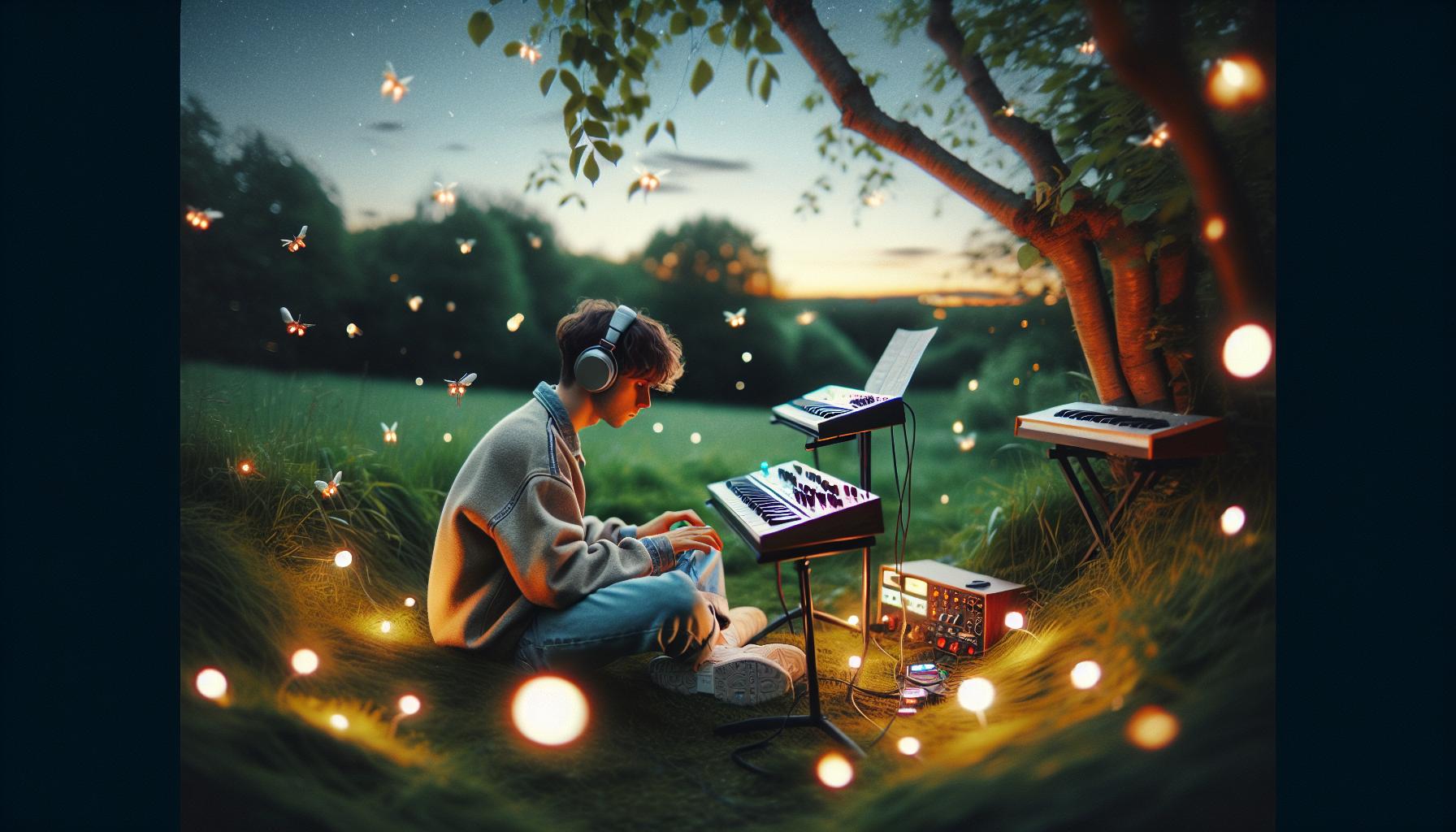
Owl City’s musical style is a vibrant tapestry woven from a variety of influences, making each song a unique listening experience. Adam Young, the creative force behind Owl City, often infuses his music with dreamy synth-pop elements combined with uplifting melodies. The soundscape is characterized by ethereal layers of synthesizers, catchy hooks, and whimsical electronic beats, all of which invite listeners into a world that feels both fantastical and deeply relatable.
One hallmark of Owl City’s music is its penchant for storytelling. Each track tends to paint vivid pictures, often inspired by Young’s own experiences, dreams, and reflections. For instance, “When Can I See U Again” utilizes a playful yet heartfelt lyrical approach, crafting a narrative that resonates with themes of connection and loss. The fluidity of Young’s melodies complements the lyrics, enhancing the emotional weight while maintaining an accessible and light-hearted feel. This blend of heartfelt introspection and upbeat instrumentation allows the music to appeal to a diverse audience, from casual listeners to passionate fans looking for something more profound.
Moreover, Owl City’s style is often marked by a sense of nostalgia and innocence, with influences from childhood experiences and daydreams. Young seamlessly integrates personal anecdotes and whimsical imagery into his lyrics, creating a depth that fans can easily connect with. The result is an optimistic sound that carries listeners into a dreamlike state, making them yearn for the emotions tied to their own memories.
In summary, Owl City’s musical identity is defined by its catchy synth-pop melodies, evocative storytelling, and a unique ability to blend whimsical themes with emotional depth. Each song serves as a reminder of the power of music to evoke memories and feelings, making Owl City a cherished part of many people’s playlists.
Exploring the Emotional Tone of “When Can I See U Again

The emotional landscape of “When Can I See You Again” is rich and multifaceted, pulling listeners into a poignant moment of reflection on friendships and farewells. The essence of this song, composed by Owl City, is not merely in its melodic catches but in its heartfelt exploration of the nuances of connection. Its charm lies in how it encapsulates the bittersweet nature of goodbyes while simultaneously radiating hope for future reunions, making it a resonant anthem for anyone who has experienced the pain of parting from a loved one.
This song effectively bridges nostalgia and longing, as expressed through its lyrics that invite listeners to reminisce about cherished memories. Phrases such as “When can we do this again?” emphasize the desire to reconnect, encapsulating a universal sentiment that many can relate to. The gentle, uplifting instrumentation complements these themes perfectly, creating a soundscape that evokes warmth and comfort. This emotional tone is deliberate, as Adam Young, the mastermind behind Owl City, aims to harness a lighthearted yet earnest atmosphere, encouraging listeners to embrace the transient nature of relationships while holding onto the hope of meeting again.
Moreover, the beauty of “When Can I See You Again” is deeply rooted in its ability to resonate with both younger and older audiences. It captures the joy of companionship, the sorrow of departure, and the anticipation that follows, all woven into a vibrant tapestry of sound. As listeners engage with the song, they may find themselves reflecting on personal stories and friendships that shape their lives, transforming the lyrics into a soundtrack for their own memories. Whether it’s the end of a school year or a departure from a close friend, the emotional tone of the song strikes a chord, making it a poignant reminder of the bonds that transcend time and distance.
Cultural References and Intertextuality in the Lyrics
The lyrics of “When Can I See You Again” are adorned with a tapestry of cultural references and intertextuality that enrich their meaning and connect with a broad audience. One notable aspect is how Adam Young, the mind behind Owl City, weaves nostalgia into the fabric of the song. This nostalgia isn’t just personal; it resonates across generations, invoking imagery from childhood experiences that many listeners cherish. References to reunions and fleeting moments evoke feelings reminiscent of classic coming-of-age stories, where the promise of future encounters signifies growth, change, and the essence of friendship.
Moreover, the song’s connection to the animated film “Wreck-It Ralph” enhances its thematic depth. The narrative of the movie, which focuses on characters seeking connection and purpose amidst challenges, mirrors the lyrics’ exploration of relationships. By associating the song with this beloved film, Young bridges the gap between music and storytelling, illustrating how both mediums can convey profound emotional truths. This symbiotic relationship allows listeners to glean additional layers of meaning, prompting reflections on their own experiences of friendship and farewell.
Cultural references also extend to the universal symbolism of time and distance. In a world increasingly defined by digital communication, phrases such as “When can we do this again?” resonate deeply, emphasizing the importance of genuine, in-person connections. This sentiment taps into the contemporary theme of yearning for simplicity in relationships, a recurring motif in many modern songs and narratives. By highlighting these elements, Young not only captures the immediate emotions tied to farewells but also addresses broader cultural anxieties regarding how technology impacts our connections to one another.
Through its lyrical intertextuality, “When Can I See You Again” becomes more than just a song; it transforms into a cultural artifact that reflects shared human experiences. The interplay between the lyrics and their connections to other cultural narratives invites listeners to engage with the song on multiple levels, enriching their listening experience and connecting it to their personal histories.
The Song’s Connection to the Movie “Wreck-It Ralph
The energetic and whimsical track “When Can I See You Again” beautifully encapsulates the essence of collaboration and friendship, elements that are central to the animated film Wreck-It Ralph. As the story follows characters from various video games, each grappling with their own identities and desires for connection, Owl City’s song serves as an anthem for their journeys. The narrative weaves through themes of longing, the importance of companionship, and the bittersweet nature of goodbyes, making it a perfect complement to the film’s emotional landscape.
As the characters navigate a world of challenges, the recurring question posed in the song-“When can I see you again?”-echoes their quest for relationships and meaningful encounters. This sentiment resonates deeply with audiences as it taps into universal feelings of nostalgia and yearning for connection. Just as Ralph and Vanellope seek acceptance and friendship against the backdrop of their respective games, listeners can relate to the song’s themes, reflecting on their own friendships and the moments that bridge distances.
Moreover, the song’s vibrant and uplifting melodies mirror the film’s playful yet poignant tone, enhancing the emotional impact of key scenes. The animated visuals paired with Owl City’s catchy tune create a dynamic synergy, inviting viewers to engage more profoundly with both the music and story. In essence, “When Can I See You Again” not only enriches the film’s atmosphere but also elevates a simple question into a powerful exploration of relationships and the joy of reunion, reminding us of the enduring connections that shape our lives.
The cultural significance of the song in relation to Wreck-It Ralph is palpable; it’s a testament to the idea that even in a digital age, where characters may be pixelated and animated, the emotions that bind us-friendship, love, loss-remain profoundly human. The interplay between the film’s narrative and Owl City’s lyrics fosters a richer viewing experience, leaving audiences with a lingering sense of hope for future connections and the memories we create with those we care about.
Unpacking the Lyrics: Line by Line Analysis
The lyrics of “When Can I See You Again” by Owl City resonate with anyone who has experienced the bittersweet nature of goodbyes and the enduring hope of reunions. This song captures the essence of longing for connection in a playful yet poignant manner, making it a perfect fit for Wreck-It Ralph. As we delve into the lyrics, we uncover layers of meaning that enhance the emotional weight of these words.
The song opens with a sense of urgency and excitement, posing the question, “When can I see you again?” This repetition serves as an anchor throughout the piece, emphasizing the central theme of longing and the desire for reconnection. It’s not just a query; it’s a heartfelt plea that highlights the importance of relationships and the impact of time apart. As listeners, we are invited to reflect on our own experiences with friendships and the moments that keep those bonds alive, even when distances grow. Each line unfolds a narrative that interweaves memories with hopes, reminding us of the nostalgic pull that connections have on our lives.
Moreover, as the lyrics progress, they use vivid imagery to illustrate the joy intertwined with the sadness of farewell. Phrases that evoke lightness and whimsy-think “balloons,” “colorful skies,” and “adventures”-contrast with the underlying melancholy of separation. This duality mirrors the emotional landscapes explored in Wreck-It Ralph, where characters face their own journeys of identity and acceptance. The joyous melodies in tandem with these lyrics create a dynamic interplay that mirrors the complexities of real relationships-sometimes lighthearted, sometimes tinged with sadness, but ultimately rooted in a desire to reconnect.
In the chorus, the line “I’ll be waiting” reinforces the theme of anticipation, portraying waiting not as a burden but as an essential part of the relationship’s journey. This encapsulates a universal truth about friendships: the expectation of reuniting fosters hope and excitement. This optimistic perspective transforms the concept of goodbyes into a celebration of future encounters, inviting listeners to cherish their connections. The entire lyrical journey encourages a reflection not just on what is lost but also on the beauty of what remains and what potentially lies ahead.
Through these line-by-line explorations, “When Can I See You Again” becomes more than a song; it evolves into an anthem that captures the heart of companionship, urging us to treasure every moment we share and to look forward to the reunions that await.
The Impact of “When Can I See U Again” on Fans
Listeners around the world have found profound meaning in “When Can I See You Again,” resonating with its themes of longing and connection. This Owl City track, featured in the heartwarming film Wreck-It Ralph, has sparked a multitude of fan interpretations and emotional responses since its release. Many fans express that the song encapsulates their personal experiences with friendships and separation, making it an anthem for those navigating the bittersweet tides of goodbyes. The repetitive question posed throughout the song not only ignites nostalgia but also instills a sense of hope, urging listeners to reflect on the importance of maintaining bonds despite distance.
The impact of the song extends beyond individual experiences; it has fostered a community of fans who share their stories of connection and reconnection. In online forums and social media platforms, fans often discuss how the song became a soundtrack for significant moments in their lives, from graduations to prolonged separations. Many have cited it as a source of comfort during difficult times, allowing them to process their feelings surrounding loss and the anticipation of reuniting with loved ones. This sense of unity among fans demonstrates how music can articulate emotions that are sometimes difficult to express.
Moreover, the song’s upbeat melody and cheerful production contrast with its reflective lyrics, creating a unique emotional landscape that fans adore. This duality makes the track versatile; it can be played during moments of joy and celebration, as well as during times of contemplation. The ability of “When Can I See You Again” to evoke such diverse feelings has solidified its place in the hearts of fans, ensuring it remains relevant across generations.
As they share their interpretations, fans often engage in creative expressions, including covers and remixes, further expanding the song’s reach and impact. This vibrant fan culture not only showcases the song’s enduring popularity but also highlights how art can transcend its original context, fostering connections among individuals from different walks of life. Ultimately, the song serves as a powerful reminder of the unbreakable ties that bind us, making it a beloved piece in Owl City’s discography.
Owl City’s Artistic Journey: Evolution Over Time
The journey of Owl City, primarily the creative outlet of Adam Young, is one marked by growth, experimentation, and a profound ability to connect with listeners through relatable themes and innovative soundscapes. From his early days of recording in a basement to achieving mainstream success, the evolution of Owl City’s music reflects both personal experiences and broader cultural shifts.
Initially, Owl City’s breakout album, Ocean Eyes, introduced audiences to a dreamy, synth-pop sound characterized by whimsical lyrics and lush instrumentation. Tracks like “Fireflies” painted a picture of nostalgia and childlike wonder, setting the stage for Young’s unique blend of electronic, acoustic, and pop influences. As listeners embraced his melancholic yet hopeful narratives, Owl City quickly became a staple in the late 2000s music scene. In contrast, tracks from his later albums, such as The Midsummer Station, showcase a deliberate shift towards a more mainstream sound, incorporating pop elements while retaining the ethereal qualities that defined his earlier work.
This exploration of sound is particularly evident in the single “When Can I See You Again,” featured in Disney’s Wreck-It Ralph. It encapsulates a significant thematic transition for Young, where the emphasis on connection and longing resonates not only with the film’s narrative of friendship and separation but also echoes the complexities of human relationships faced by his listeners. The upbeat tempo juxtaposed with reflective lyrics illustrates a matured understanding of emotional expression, melding joy with the bittersweet nature of goodbyes-a recurring motif in Young’s discography.
Over the years, Adam Young has continuously embraced experimentation, weaving in genres from dance to acoustic, and collaborating with various artists to enrich his sound. This adaptability has allowed Owl City to remain relevant and relatable amidst a rapidly changing music landscape. Additionally, the vibrant fanbase that surrounds Owl City has played a vital role in this artistic journey. Fans actively contribute to the narrative surrounding the music, interpreting and sharing their personal connections to the songs, which further elevates the emotional resonance of tracks like “When Can I See You Again.” As he moves forward, Young’s progression as an artist will undoubtedly continue to captivate audiences, inviting them to reflect on their connections to one another, regardless of the distance.
Through these varied phases, Owl City’s music serves as a testament to the enduring power of art to capture timeless emotions, making it easier for listeners to navigate their own experiences of love, loss, and longing.
Comparing “When Can I See U Again” to Other Owl City Songs
When diving into the enchanting world of Owl City, “When Can I See You Again” stands out not only for its association with Disney’s Wreck-It Ralph but also for its thematic and stylistic connections to other tracks in Adam Young’s discography. This song beautifully encapsulates themes of longing and connection, mirroring sentiments found in earlier hits like “Fireflies” and “Vanilla Twilight,” while simultaneously showcasing a maturation in emotional depth and expressiveness.
One notable comparison arises with “Fireflies.” Both songs evoke a dreamy nostalgia, yet “When Can I See You Again” takes a more direct approach to the themes of farewell and reunion. The infectious joy of “Fireflies,” rich with whimsical imagery, reflects the innocence of childhood, while “When Can I See You Again” leans into the bittersweet essence of parting, framed within the context of friendships that endure despite physical separation. This thematic shift suggests a growth in Young’s songwriting, as he tackles more complex emotional experiences without losing the ethereal quality that fans adore.
Furthermore, tracks like “Vanilla Twilight” illustrate Young’s signature blend of electronic and acoustic elements, focusing on loneliness and yearning. Here, while “When Can I See You Again” also touches on yearning, it does so in a more celebratory light, inviting listeners to cherish the moments before goodbyes rather than wallowing in solitude. The tempo shifts and bright melodies in “When Can I See You Again” contrast sharply with the more introspective tones of “Vanilla Twilight,” showcasing Young’s versatility in conveying emotions through different musical landscapes.
Another enlightening comparison can be made with “Good Time,” featuring Carly Rae Jepsen. While “Good Time” exudes a carefree, party vibe and emphasizes joy in the present moment, “When Can I See You Again” invites reflection on the memories and bonds that transcend time. This duality in Young’s music-between celebrating the now and contemplating the inevitable goodbyes-highlights his ability to resonate with listeners on multiple levels, empowering them to find meaning and solace in both the happy and melancholic aspects of life.
Ultimately, the evolution seen in “When Can I See You Again” reflects a broader journey within Owl City’s musical repertoire, balancing ethereal soundscapes with intricate emotional narratives that invite fans to explore themes of connection, nostalgia, and the bittersweet nature of life’s transitory moments. As listeners experience this song alongside other Owl City classics, they are reminded of the profound power of music to encapsulate the full spectrum of human experience, bridging the gap between joy and sorrow with a delicate yet impactful touch.
Fan Interpretations and Reactions to the Song
The emotional resonance of “When Can I See You Again” has sparked a wealth of interpretations and reactions among fans, illustrating the song’s profound impact on listeners. Many have embraced the song as an anthem of friendship and connection, often expressing that it embodies the bittersweet nature of parting while holding onto hope for future reunions. Fans frequently share personal anecdotes about how the song has been a source of comfort during times of separation, whether it be from friends moving away, family members, or even during transitions in their own lives.
Community Reflections
In various online forums, listeners have formed a tight-knit community around the song. They often exchange interpretations, highlighting lines that resonate with their personal experiences. For example, the sentiment of cherishing memories before goodbyes resonates deeply, reminding them to appreciate the present while acknowledging its transitory nature. This shared understanding fosters a sense of belonging, as fans come together to celebrate the connections that music can forge.
Another layer of appreciation comes from the song’s role in the movie *Wreck-It Ralph*, amplifying its themes significantly within the context of the film. Fans have noted that the song enhances the emotional stakes of Ralph’s journey, making it even more relatable. The connection between the characters’ struggles and the listener’s real-life experiences creates a powerful tapestry of emotions, further deepening the connection fans feel towards both the song and the film.
Moreover, many fans have expressed how the song serves as a reminder to celebrate the bonds they have, despite life’s inevitabilities. Instances of shared listening experiences during milestones, like graduations or farewells, have been recounted, solidifying its place as an emotional cornerstone in many lives. These commemorative moments reflect not just nostalgia but an appreciation for the relationships that enrich our lives, tying perfectly back to the song’s central themes of reunion and connection.
As “When Can I See You Again” continues to resonate with audiences, it stands as a testament to how music can articulate feelings that might otherwise go unexpressed, encapsulating the joy, pain, and hope that come with meaningful relationships. This ongoing dialogue among fans only serves to amplify the song’s legacy, reinforcing its significance in both Owl City’s discography and the broader pop culture landscape.
Covers and Remixes: Expanding the Song’s Reach
The diverse interpretations and emotional resonance of “When Can I See You Again” have inspired a multitude of covers and remixes, amplifying the song’s reach far beyond its original release. Artists across various genres have tapped into the song’s themes of connection and longing, transforming it into unique expressions that resonate with diverse audiences. This variety not only showcases the song’s versatility but also invites listeners to explore different sonic landscapes while grappling with similar sentiments of parting and reunion.
One notable example of a cover that has gained traction is by a popular YouTuber who reimagined the song in an acoustic format. Their stripped-back rendition highlights the poignant lyrics and emotional weight of the original, allowing listeners to access the song’s heartfelt message in a new way. Such interpretations often resonate with fans who cherish a more personal connection to the music, as these artists infuse their own experiences into the performance, making the song feel fresh and relatable.
The remix culture surrounding “When Can I See You Again” is another fascinating aspect. Electronic producers have reworked the track, incorporating vibrant beats and innovative synth patterns that attract a younger audience. These remixes often play at parties, festivals, and dance events, breathing new life into the song and introducing it to spaces where it can be celebrated in a communal setting. This cross-pollination of genres not only broadens the audience but also enhances the song’s legacy as it adapts to contemporary musical tastes.
The community response to these covers and remixes is vibrant; fans often share their favorites on social media, each version sparking discussions about what the song means to them personally. Whether through favorite lines or the emotional nuances highlighted in different arrangements, these interpretations deepen the connection between the song and its audience. As the song continues to evolve in various forms, it serves as a reminder of how art can transcend boundaries, uniting people through shared emotions and experiences.
The Legacy of “When Can I See U Again” in Pop Culture
The enduring appeal of “When Can I See You Again” is a testament to its connection with audiences, solidifying its place in pop culture as much more than just a soundtrack piece. This vibrant song encapsulates themes of friendship, longing, and the bittersweet nature of goodbyes, resonating with listeners across generations. Originally introduced in the animated film “Wreck-It Ralph,” its cheerful melodies and poignant lyrics have transcended the confines of cinema, becoming an anthem for moments of parting and reunification.
Over the years, the track has been embraced in various contexts, becoming a staple at life events such as graduations, farewells, and reunions. Its message of cherishing moments spent together while looking forward to future encounters has struck a chord with many, prompting heartfelt interpretations and emotional responses. This has led to increased interest in Owl City’s broader discography, as fans search for more music that captures similar sentiments of nostalgia and hope.
Moreover, the song has inspired a diverse range of covers and remixes that continue to expand its reach. From acoustic renditions that emphasize the song’s emotional depth to vibrant electronic versions that energize dance floors, the versatility of “When Can I See You Again” is evident. Social media platforms have played a crucial role in this phenomenon, with fans sharing their take on the song, creating a community around its themes while rekindling personal memories.
As it stands, the cultural legacy of “When Can I See You Again” continues to grow, illustrating how a single piece of music can weave itself into the fabric of collective experiences. With its constant reimaginings and the ongoing affection from fans, this Owl City classic is poised to remain a significant part of pop culture for years to come, inviting new generations to appreciate its messages of connection and hope.
Q&A
Q: What is the main theme of “When Can I See U Again” by Owl City?
A: The main theme of “When Can I See U Again” revolves around the bittersweet feelings of nostalgia and longing for connection. It captures the essence of saying goodbye while cherishing memories, especially relevant in the context of friendships and relationships affected by time or distance.
Q: How does “When Can I See U Again” relate to Wreck-It Ralph?
A: The song serves as a poignant farewell to the characters in “Wreck-It Ralph,” encapsulating themes of friendship and transition. It mirrors the emotional journey of saying goodbye while emphasizing the hope of reunion, enhancing the movie’s narrative of relationships and growth.
Q: What musical style does Owl City use in “When Can I See U Again”?
A: In “When Can I See U Again,” Owl City employs an electropop style characterized by catchy melodies, synthesizer-driven instrumentation, and layered vocals. This style creates an uplifting yet reflective mood that complements the song’s emotional depth.
Q: What are fan interpretations of the lyrics in “When Can I See U Again”?
A: Fans interpret the lyrics of “When Can I See U Again” as reflections on transient moments and the impact of relationships. Many resonate with the notion of longing and the hope of reconnecting, which evokes personal memories and experiences that hold significant emotional weight.
Q: When was “When Can I See U Again” released?
A: “When Can I See U Again” was released on October 24, 2012, as part of the soundtrack for the animated film Wreck-It Ralph. Its release coincided with the movie’s popularity, helping it gain widespread recognition.
Q: What impact has “When Can I See U Again” had on fans?
A: The song has had a profound impact on fans, often being linked to moments of nostalgia and reflection in their lives. Many listeners share personal stories of how the song helped them process feelings of longing and farewell, reinforcing its emotional resonance.
Q: Are there any notable covers of “When Can I See U Again”?
A: Yes, the song has inspired various covers across social media platforms and music streaming services. Artists often reinterpret its themes and melodies, demonstrating the song’s lasting appeal and emotional connection with diverse audiences.
Q: How does “When Can I See U Again” compare to other Owl City songs?
A: Compared to other Owl City tracks, “When Can I See U Again” focuses more on emotional connections and farewells than the whimsical themes typical of earlier hits. Its reflective tone and lyrical depth mark a notable evolution in Owl City’s songwriting style, appealing to listeners on a deeper level.
To Wrap It Up
As we conclude our exploration of “When Can I See U Again” by Owl City, remember that the song beautifully encapsulates themes of longing and connection that resonate deeply with many listeners. If you’re feeling intrigued, dive deeper by checking out our analysis of other Owl City songs or exploring the emotional narratives in similar tracks. Don’t miss our guide on songwriting techniques that create memorable emotional experiences!
We encourage you to share your thoughts in the comments below-is there a specific line that strikes you as the most meaningful? And if you enjoyed this breakdown, consider signing up for our newsletter to stay updated on future insights and music analyses. Keep the conversation going as you explore more of what inspires us all!