Did you know that nearly one-third of all owl species are facing the threat of extinction? Owls, with their captivating presence and vital role in ecosystems as nocturnal predators, are more than just symbols of wisdom; they are critical indicators of environmental health. Understanding the conservation status of different owl species can empower you to become an advocate for these remarkable birds. As urbanization, habitat loss, and climate change increasingly impact their populations, it is essential to stay informed about which species are endangered and what can be done to help. Join us in exploring the diverse world of owls, learn about the specific challenges they face, and discover how each of us can contribute to their survival. Your awareness and actions can make a tangible difference in the lives of these enigmatic creatures!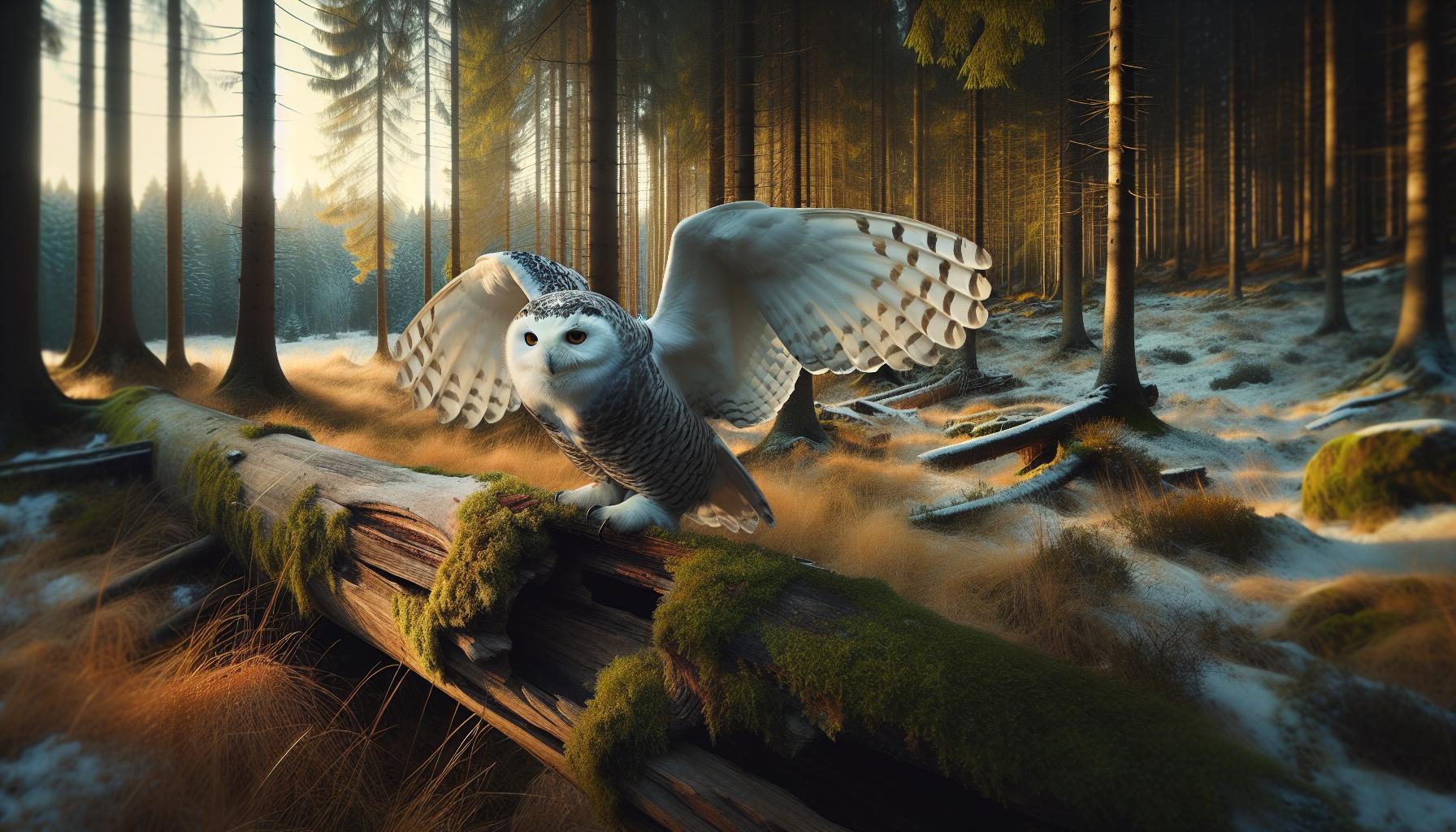
Owls: An Overview of Their Conservation Status
Owls are more than just captivating nocturnal hunters; they are crucial indicators of the health of our ecosystems. Currently, many owl species face varying degrees of threat, prompting conservationists to raise alarms about their declining populations. According to the International Union for Conservation of Nature (IUCN), the global conservation status of owls is alarmingly diverse. While some species thrive in healthy habitats, others are teetering on the brink of extinction due to habitat loss, climate change, and human interference.
To understand the conservation status of owls, it is essential to recognize the criteria used to determine endangerment. These include population size, rate of decline, and geographical distribution. For instance, the Spotted Owl, primarily found in North American forests, has faced significant pressures from logging and habitat destruction. As a result, it has been categorized as “Threatened.” Conversely, species like the Barn Owl are relatively stable but still face localized threats from agricultural practices and rodenticide use.
Conservation efforts are underway worldwide, aiming to address these challenges and stabilize owl populations. Organizations work to create and maintain habitats, promote sustainable land-use practices, and engage with local communities about the importance of owls in biodiversity. Each species’ unique behaviors and habitats require tailored approaches to conservation, emphasizing the need for continued research and public support.
Despite the challenges, there are success stories worth highlighting. Certain regions have seen owl populations rebound due to dedicated conservation measures, such as protected areas and community-led initiatives. For example, in the UK, the resurgence of the Barn Owl is attributed to habitat restoration and public engagement campaigns. Engaging communities in conservation is vital; individuals can contribute by building owl boxes, supporting local conservation organizations, and advocating for environments that are conducive to owl health and survival.
In conclusion, advocating for and understanding owls’ conservation status is critical not only for the species themselves but for the ecosystems they inhabit and the health of our environment as a whole. By being informed and proactive, everyone can play a role in ensuring these majestic birds continue to thrive.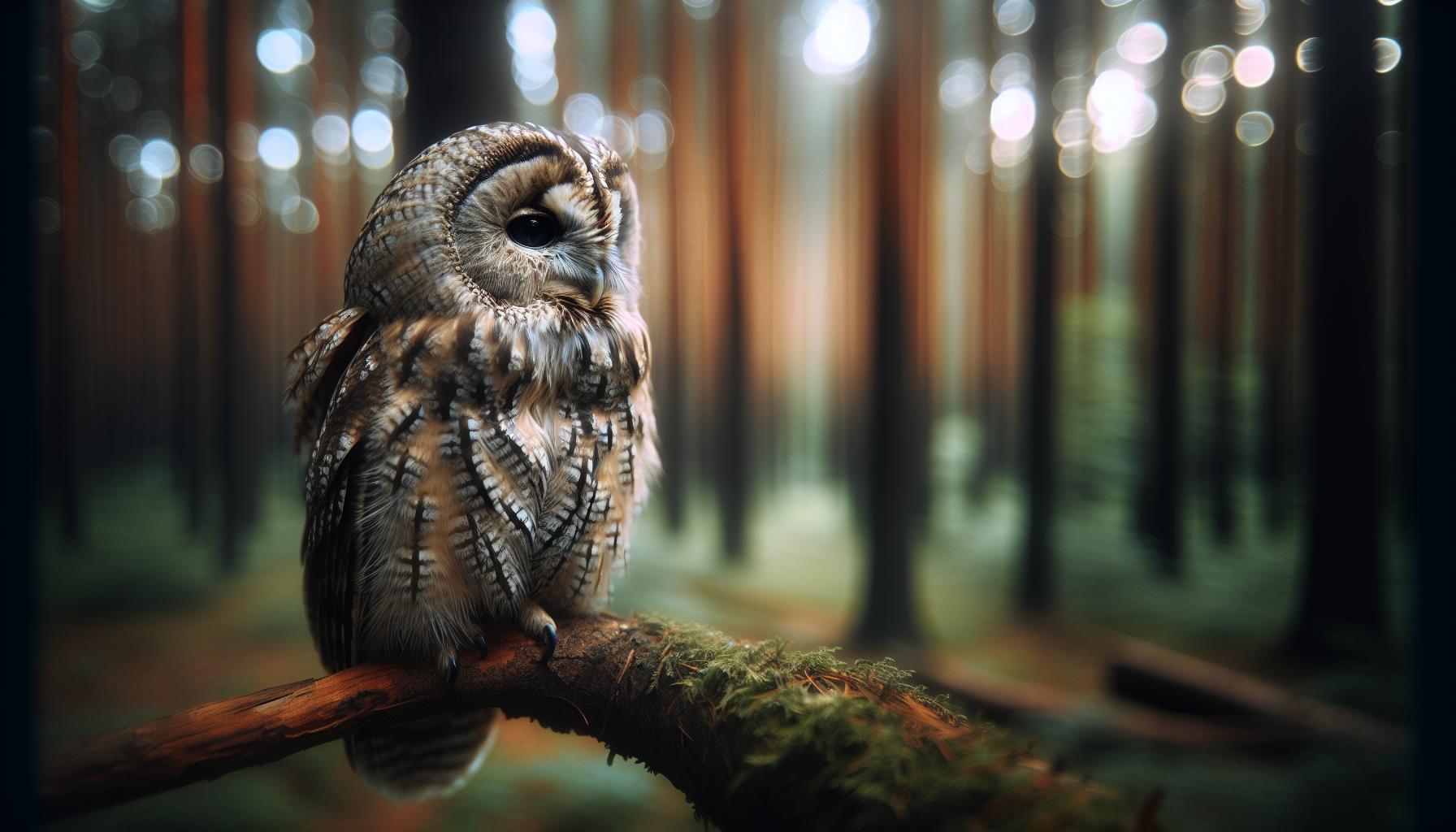
Understanding Endangered Species Criteria
Understanding the criteria for classifying owl species as endangered is crucial for conservation efforts. The International Union for Conservation of Nature (IUCN) employs several key indicators to assess the risk of extinction for various species. These metrics include population size, rate of decline, geographical distribution, and the degree of threat from environmental changes and human activities. For example, if a species like the Spotted Owl shows a significant decline in its population and is concentrated in a limited area, it may be classified as “Vulnerable” or “Threatened.”
Another important factor is the demographic trend of the species in question. Birds that have experienced a population reduction of more than 30% over the past decade due to habitat loss, climate change, or predation may find themselves placed on the endangered list. Additionally, the area of occupancy-or the specific physical space a species inhabits-plays a vital role in its conservation status. Species with a restricted range face higher risks, as localized threats can drastically affect their populations.
In practical terms, understanding these criteria encourages bird enthusiasts and conservationists alike to focus their efforts where they are needed most. For instance, if you’re interested in supporting owl conservation, knowing the specific threats faced by vulnerable species such as the Barn Owl can direct your actions, whether it’s advocating for changes in agricultural practices or participating in habitat restoration projects. Engaging with local birding communities can also amplify these efforts, as collective action often leads to more substantial impact.
Lastly, keep an eye on updates from conservation organizations regarding species status and recovery plans. Progress can be made through education, public awareness, and the enactment of policies that protect these remarkable nocturnal hunters-ensuring our efforts are not just informed but effective in safeguarding their future. By being informed about how and why certain species are designated as endangered, everyone can become a proactive participant in the conservation dialogue.
Global Distribution of Owls and Their Habitats
Throughout the world, owls inhabit a remarkable variety of environments, from dense forests and open grasslands to arid deserts and urban landscapes. These nocturnal hunters, known for their distinctive calls and expert camouflage, are distributed across every continent except Antarctica, illustrating their adaptability and resilience. Owls thrive in diverse habitats, and understanding their global distribution is vital for effective conservation efforts.
In North America, for instance, the Great Horned Owl can be found from the Arctic down to South America, inhabiting a wide range of ecosystems, including forests, wetlands, and urban areas. Their versatility allows them to adapt to human-dominated landscapes, yet their populations are challenged by habitat destruction and urbanization. Conversely, the Eastern Screech Owl prefers deciduous woodlands and suburban areas, where they use tree cavities for nesting. Such variations in habitat preference highlight the importance of maintaining diverse ecosystems to support varying owl species.
In Europe, the Barn Owl prefers open country and farmland, but it faces significant threats from agricultural intensification, which reduces suitable hunting grounds. Meanwhile, the Eurasian Eagle Owl, one of the largest owl species, inhabits a range of environments, from forests to rocky mountains, showcasing an ability to thrive in less disturbed areas. In Asia, the Blakiston’s Fish Owl, dependent on pristine rivers and large forests, exemplifies the urgent need for habitat conservation as its numbers dwindle due to logging and pollution.
Owls also inhabit unique ecosystems in tropical regions. For example, the Spectacled Owl is typically found in the humid lowland rainforests of Central and South America, where it relies on a complex web of biodiversity to hunt effectively. Protecting these fragile ecosystems is critical not only for the survival of the Spectacled Owl but for countless other species that coexist within the same habitats.
With owls facing increasing threats from habitat loss, climate change, and human encroachment, understanding their global distribution and specific habitat requirements is essential for targeted conservation efforts. By engaging in habitat preservation initiatives, supporting local conservation projects, and spreading awareness about the needs of owl species, we can collectively contribute to safeguarding these incredible birds for future generations. Embracing our roles as stewards of the environment will ensure that the hoots of owls continue to echo through our landscapes.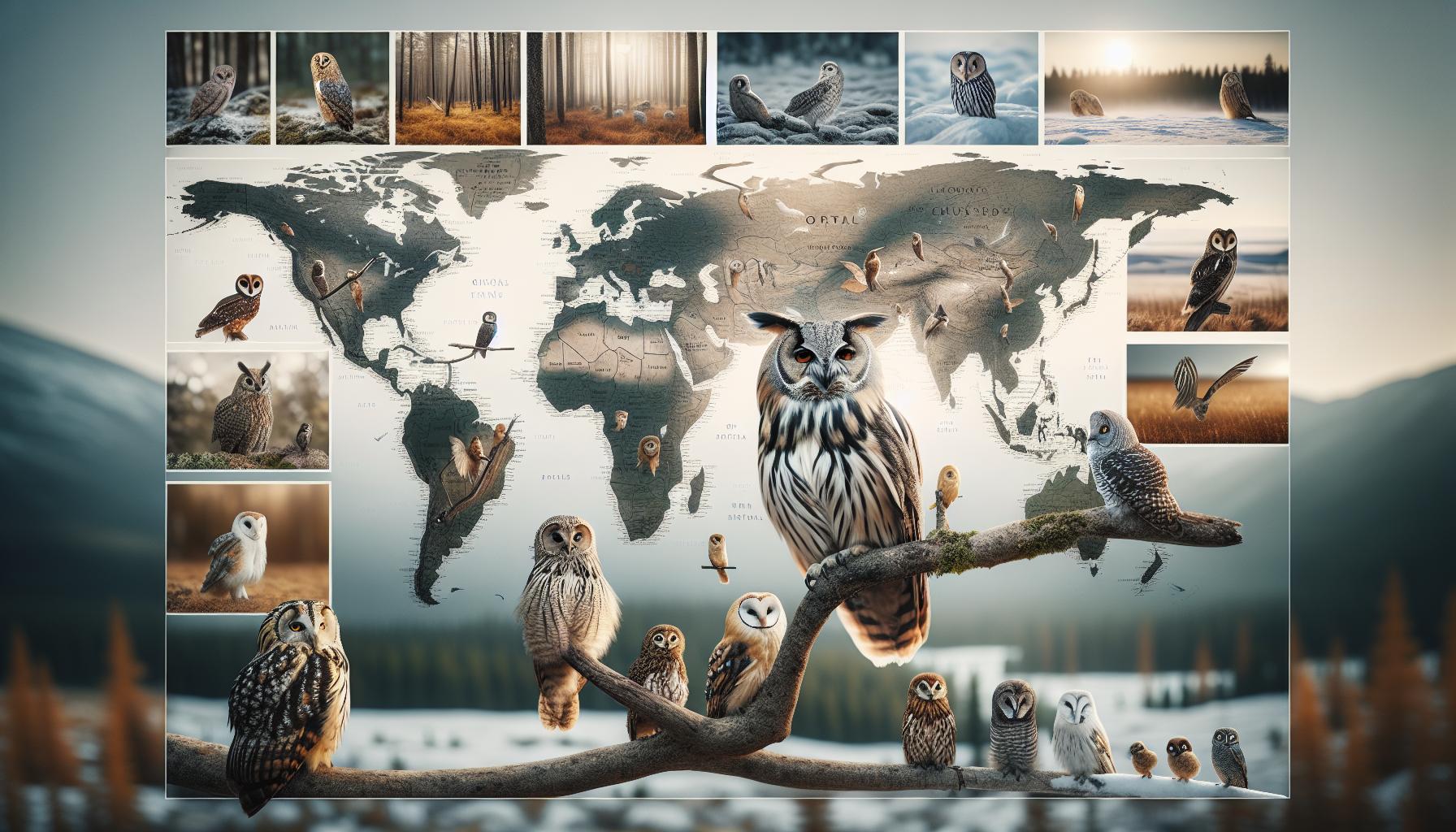
Top Factors Contributing to Owl Endangerment
The majestic owl, often revered for its silent flight and haunting calls, faces numerous challenges that threaten its survival. As apex predators, they play a crucial role in maintaining the balance of their ecosystems, yet their populations are dwindling due to a variety of factors. Understanding these threats is vital for implementing effective conservation strategies.
One of the primary threats to owl populations is habitat loss, driven by human activities such as deforestation, urbanization, and agricultural expansion. As natural habitats are converted into urban landscapes or monoculture farms, owls lose their nesting sites and hunting grounds, leading to a decline in prey availability. For instance, the Barn Owl, which relies on open fields and grasslands, has seen a significant reduction in suitable habitat due to intensive farming practices that eliminate its foraging areas.
Additionally, environmental pollution poses a critical risk. Pesticides and rodenticides used in agriculture not only decrease the populations of insects and small mammals-prey for many owl species-but they also accumulate in the food chain, affecting the health of the owls themselves. The use of these chemicals can lead to lethal consequences or impair reproductive success, making it increasingly difficult for owl populations to recover.
Climate change also exacerbates the vulnerabilities facing owls. Altered weather patterns and shifting temperatures can disrupt breeding cycles and migration patterns. For instance, species such as the Spotted Owl in North America require specific forest types that may eventually no longer exist in their current regions due to rising temperatures and changing ecosystems. This shift not only threatens their habitats but also their food sources, resulting in lower survival rates.
Lastly, human persecution remains a challenge, often stemming from misconceptions or fear. Some owl species, perceived as pests due to their predatory nature, are often targeted by farmers and landowners. Education and awareness campaigns are essential in changing these attitudes, fostering coexistence rather than conflict.
Addressing these requires a multi-faceted approach involving habitat preservation, reducing pesticide use, climate action, and community engagement. Together, we can create a more supportive environment for our feathered friends, ensuring these enigmatic creatures continue to soar through our skies.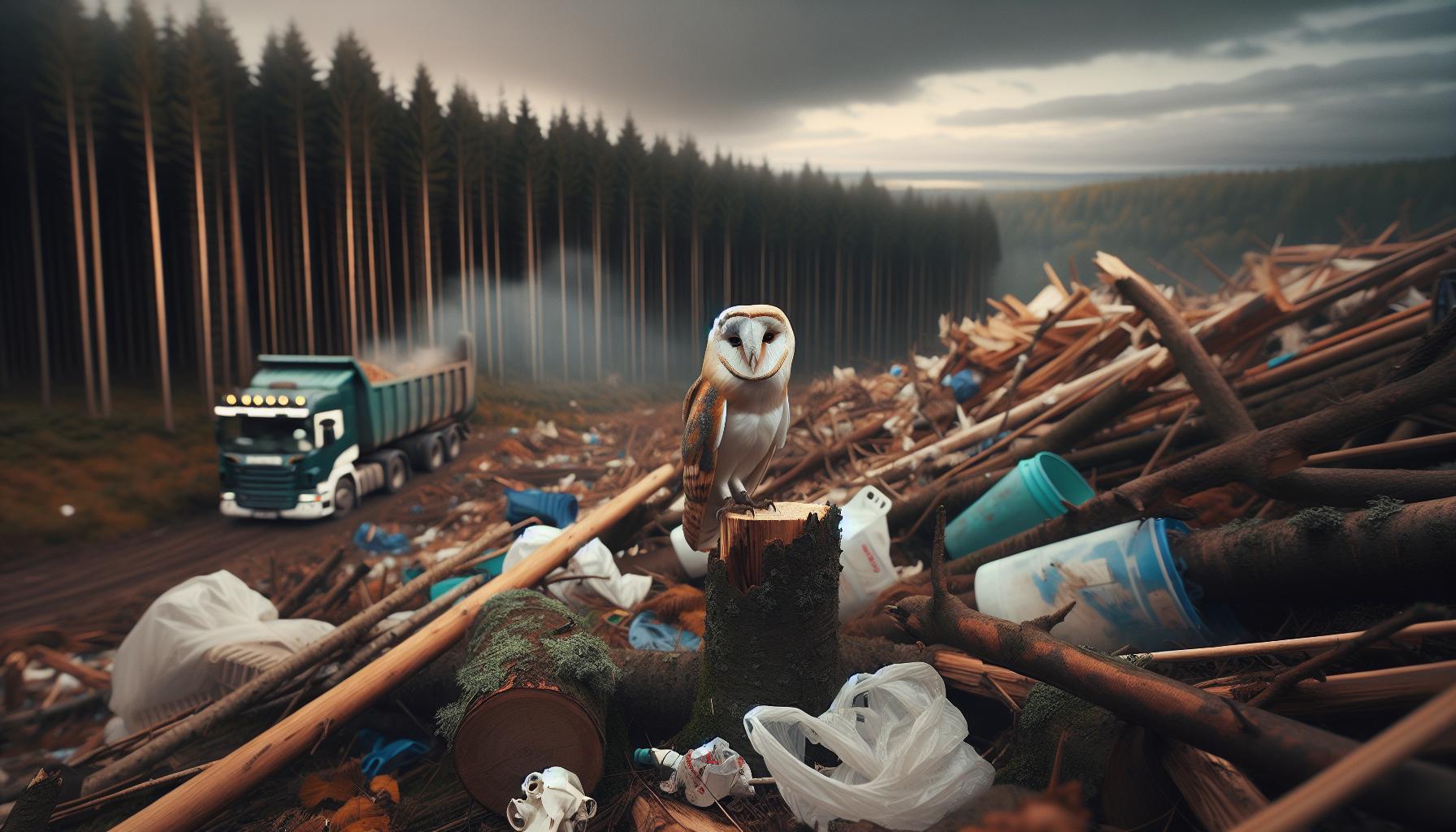
Conservation Status of Common Owl Species
The enchanting world of owls is not merely defined by their striking appearance and intriguing nocturnal behavior; a looming crisis threatens their very existence. In various regions across the globe, common owl species face a spectrum of challenges that impact their conservation status. For instance, the Barn Owl, once a familiar sight across farmlands, is now classified as endangered in certain locales due to habitat destruction and diminishing prey availability. Understanding the requires a deep dive into their specific challenges and the actions being taken to ensure their survival.
In many regions, the Great Horned Owl is often seen as a stable population. However, even this robust species has had localized declines due to habitat fragmentation and pesticide use that diminishes their prey base. Recognizing and addressing the threats these owls encounter is crucial. Conservation efforts are increasingly focused on specific management strategies such as habitat restoration, pest control that prioritizes ecological balance, and public education initiatives aimed at reducing misconceptions about owls.
Some species like the Eastern Screech Owl thrive in urban environments, showcasing an adaptability that enables them to survive amid human development. However, this adaptability can only extend so far. Urban noise, light pollution, and the challenges of finding adequate nesting sites all play a role in their conservation status. Here, community involvement is vital. Initiatives to install owl boxes and preserve green spaces can contribute significantly to their populations.
Engagement and collaboration between conservation organizations, governments, and local communities are essential for enhancing the prospects of these magnificent birds. For example, the awareness generated through educational programs about the benefits of owls in controlling rodent populations can facilitate local support for conservation measures. In conclusion, active participation in owl conservation can make a significant difference, as it empowers individuals to contribute directly to the survival of these extraordinary creatures.
Regional Focus: Endangered Owls by Continent
Owls are not just masters of the night; they also play crucial ecological roles in their respective habitats. However, analyzing their conservation status by continent reveals a striking picture of vulnerability. Each region hosts unique owl species, many of which find themselves threatened by a range of factors, including habitat loss, climate change, and human interference.
North America
In North America, the Spotted Owl has gained significant attention as a flagship species for conservation efforts. Found primarily in old-growth forests, this owl faces dire threats from logging practices and habitat fragmentation. State and federal protections are in place, yet the balance between conservation and economic interests remains a contentious issue. The Eastern Screech Owl, while adaptable and widespread, also faces challenges in urbanized areas where its native habitat is rapidly diminishing. Community initiatives, like creating urban green spaces, can help mitigate these challenges.
Europe
The European continent showcases a variety of owl species, such as the Eurasian Owl and the Barn Owl, which are declining primarily due to habitat destruction and agricultural expansion. The European Union has implemented protective measures, but enforcement can vary greatly. Local campaigns promoting sustainable farming practices can alter the landscape for these owls, allowing them to thrive in areas they once called home.
Asia
In Asia, the endangered Stygian Owl and the endemic Philippine Eagle-Owl are examples of species severely impacted by hunting and deforestation. Countries like India are recognizing the importance of preserving their owl populations through targeted conservation projects, which include habitat restoration and awareness programs. Community engagement is crucial here, as educating locals about the ecological benefits of owls can foster a culture of protection.
Africa and Australia
Both Africa and Australia face unique challenges regarding their owl species. The endangered Northern Spotted Owl in Africa, primarily threatened by habitat encroachment, highlights the need for conservation strategies that involve local communities in monitoring and protecting these birds. In Australia, the Powerful Owl suffers from habitat loss due to urban sprawl, underscoring the necessity of environment-friendly urban planning that accommodates wildlife.
The path towards owl conservation is as varied as the species themselves, requiring localized solutions and active community involvement. By understanding the specific challenges faced by owls across continents, we can better contribute to their survival. Initiatives to protect these remarkable birds not only benefit them but also enrich our ecosystems, demonstrating the interconnectedness of our world.
Success Stories: Conservation Efforts for Owls
Across the globe, there are inspiring examples of conservation efforts that have made a significant difference in the survival of various owl species. These success stories showcase what dedicated individuals and organizations can achieve through collaboration, innovation, and a passion for protecting these majestic creatures.
One remarkable example is the conservation initiatives for the California Spotted Owl. In response to the threats posed by logging and habitat destruction, local conservation groups have launched campaigns to implement sustainable forestry practices. These efforts include creating wildlife corridors and ensuring that logging occurs in a way that minimizes disruption to critical habitats. Citizen science projects have also engaged the public, allowing them to contribute sightings and important data regarding the owl’s population dynamics. This grassroots involvement has proven pivotal, fostering a deeper community connection to wildlife conservation.
Meanwhile, in Australia, the Powerful Owl has seen a resurgence thanks to dedicated habitat restoration efforts. Various organizations have worked to rehabilitate native forests that are essential for the owl’s survival. Initiatives involve planting native trees and controlling invasive species to create a safer environment for these birds. Educational programs targeting local communities emphasize the owl’s role in the ecosystem, which has increased local support for conservation measures. As communities become more aware of their impact, we see more individuals stepping up to help preserve these majestic birds.
In Europe, the Barn Owl has also benefited from concerted conservation strategies, including the provision of nesting boxes in agricultural lands where traditional nesting sites have diminished. Farmers have teamed up with conservationists to create suitable habitats that allow Barn Owls to thrive while simultaneously managing rodent populations naturally-a win-win situation for agriculture and wildlife. This collaborative approach has sparked a broader movement across the continent, with countries adopting policies to support wildlife-friendly farming.
These stories reflect a growing recognition that protecting owls requires not just policy and science but also community engagement. By sharing successful strategies and creating platforms for collaboration, we can inspire further action to safeguard these vital nocturnal hunters against the ongoing threats they face.
How Climate Change Impacts Owl Populations
The impact of climate change on owl populations is alarming and multifaceted, affecting not only their habitats but also their food sources and breeding patterns. As global temperatures rise and weather patterns become increasingly erratic, owls find themselves grappling with altered ecosystems that challenge their survival. For instance, some species rely on stable cold environments that are now warming, forcing them to migrate or adapt to new habitats, which can lead to competition with other species and increased stress on their populations.
Climate change exacerbates habitat loss through events like wildfires, storms, and droughts, which directly destroy the forests and grasslands that owls depend on for nesting and hunting. The Great Horned Owl, for example, is adaptable but faces challenges in regions where climate-induced changes disrupt the availability of small mammals, their primary prey. If prey species decline due to habitat loss or shifts in ecosystem dynamics, this directly impacts owls’ breeding success and survival rates.
Moreover, climate change can disrupt breeding timing. Observations indicate that some owl species may begin nesting earlier in the season as temperatures rise, which can lead to mismatches in the availability of food for their young at critical times. The Barred Owl, often found in diverse habitats, faces threats not only from habitat loss but also from shifts in the timing of prey availability due to fluctuating seasonal patterns.
Community Action for Owl Conservation
The call for community involvement has never been more crucial as we advocate for mitigating climate change impacts on owls. Local initiatives such as habitat restoration projects and public awareness campaigns educate communities about the importance of preserving natural habitats, which not only benefits owls but also other wildlife. Engaging community members in citizen science initiatives, like monitoring owl populations or advocating for native plant restoration, empowers individuals to contribute to conservation efforts meaningfully.
To help protect these essential nocturnal hunters from the ongoing threats posed by climate change, consider actions like:
- Advocating for sustainable practices: Support local and global movements that promote renewable energy and sustainable land use.
- Participating in habitat restoration: Join local conservation groups in planting native trees and restoring wetlands.
- Educating others: Use social platforms or community forums to raise awareness about owl conservation and the impacts of climate change.
Through collective awareness and action, we can create a buffer against climate change that secures a future for vulnerable owl species worldwide.
Challenges in Owl Rehabilitation and Care
The journey of rehabilitating owls is as fascinating as it is challenging. These remarkable birds of prey possess unique needs that must be carefully considered when they require care due to injury, illness, or habitat loss. One major hurdle in this process is their specialized diet. Owls primarily feed on small mammals, birds, and insects, and providing a balanced, species-appropriate diet is crucial for their recovery. For example, a Great Horned Owl, known for its strength and size, typically consumes larger mammals such as rabbits and rodents, while a Barn Owl may prefer smaller prey like voles and shrews. Failing to meet these dietary needs could hinder their rehabilitation process and affect their long-term health.
Behavioral considerations also present significant challenges in owl rehabilitation. Owls are solitary creatures and can experience immense stress when placed in captivity. This stress can lead to further health complications or hinder their ability to adapt when reintroduced to the wild. Ensuring that they have a comfortable, low-stimulus environment during recovery is vital. This can include providing hiding spots and ensuring minimal human interaction. For instance, a rehabilitator might observe a Northern Saw-whet Owl to assess its flight capabilities and behaviors before deciding on its release-this behavioral monitoring is essential for ensuring a successful transition back to its natural habitat.
Moreover, legal and procedural hurdles exist in owl rehabilitation. In many regions, specific permits and licenses are required to rehabilitate raptors. This regulation ensures that only qualified individuals can care for these birds, ultimately aiming to protect them and ensure successful recovery. Gaining access to these permits often involves demonstrating knowledge and previous experience with birds of prey, highlighting the importance of training and dietary knowledge in the rehabilitation community.
Community involvement plays a crucial role in enhancing owl rehabilitation efforts. Local wildlife centers often rely on volunteers for various tasks-everything from fundraising and awareness campaigns to hands-on care. Community-based initiatives can also provide critical support, such as organizing habitat restoration projects that benefit both injured owls in rehabilitation and wild populations. For instance, a community-led effort to enhance native plant growth can help restore the natural habitats that owls rely on, promoting healthier ecosystems.
In sum, while the rehabilitation of owls faces multiple challenges, from dietary needs to behavioral stress and legal complexities, it is a focus that can only be strengthened through community involvement and diligent care practices. The more we understand about these majestic creatures, the better equipped we are to foster their recovery and conservation. Each owl rehabilitated and returned to the wild represents a vital part of our ecosystem, and every effort made can contribute to safeguarding their future in nature.
Engaging Communities in Owl Conservation Efforts
Owls are fascinating creatures that captivate our imaginations, yet their survival is often threatened due to human activity and environmental changes. To ensure the future of these magnificent birds, engaging communities in conservation efforts is crucial. One effective approach is to start local community programs focusing on owl education and habitat preservation. By establishing workshops, school programs, and public awareness campaigns, community members can learn about the specific needs and ecological roles of different owl species. For instance, hosting events where families can build owl boxes not only fosters a sense of ownership but also creates nesting sites that support local populations.
Collaborations with schools and environmental organizations can amplify these efforts, making conservation a community-wide initiative. For example, wildlife centers can partner with educational institutions to integrate owl conservation into science curricula. Projects could include field trips to observe local owl populations or citizen science initiatives that involve community members in monitoring owl sightings and behaviors. This involvement can enhance understanding and appreciation of owls while providing critical data for conservationists.
Furthermore, outreach programs that target vulnerable populations, particularly in urban areas, can instill a sense of stewardship towards natural resources. Workshops on creating owl-friendly gardens or protecting natural habitats can promote coexistence and empower individuals to make impactful changes in their environments. Engaging local businesses can also foster a conservation-friendly culture; for instance, sponsoring community events can raise both funds and awareness that benefit local owl populations.
Strong community engagement not only fosters a deeper understanding of owls and their ecology but also inspires collective action towards their protection. Every small effort, from building a nesting box to participating in educational initiatives, plays a significant role in ensuring the survival of these incredible birds. By empowering individuals with knowledge and actionable ways to contribute, we can rally communities to safeguard the future of owls for generations to come.
What You Can Do to Help Protect Owls
Owls, the silent hunters of the night, play a crucial role in our ecosystems, controlling pest populations and enriching biodiversity. Yet, many species of these magnificent birds face significant threats that could lead to their extinction. While the plight of owls may seem daunting, there are numerous ways individuals can contribute to their conservation and help ensure that future generations can admire these incredible creatures.
One effective method is to create owl-friendly habitats in your own backyard. Consider planting native trees and shrubs that provide shelter and food for owls and their prey. Building owl boxes can also make a profound difference; installing properly designed nesting boxes can encourage owls to take up residence. The Barn Owl, for instance, thrives when it has access to nesting sites that mimic its natural habitat. Engaging in local wildlife gardening initiatives can further amplify these efforts, as communities can come together to restore natural landscapes that support owl populations.
Moreover, staying informed and advocating for owl conservation policies is vital. This means educating yourself and others about the laws and regulations that protect these birds and lobbying for stronger protections against habitat destruction. You can participate in or support local conservation organizations that focus on raptor rehabilitation and research. Many organizations offer training for volunteers, allowing you to learn more and become directly involved in owl rescue efforts.
Thoughtful consumption and support for sustainable products also protect owl habitats indirectly. By choosing to buy from companies that prioritize eco-friendly practices, you help minimize habitat loss caused by deforestation and pollution. Encourage others to follow suit; share information about sustainable choices and the impact of consumer habits on the environment. Together, individual actions can lead to significant positive change in owl conservation efforts, ensuring that these enigmatic birds continue to thrive.
Frequently Asked Questions
Q: What are the main threats to owl populations?
A: The primary threats to owl populations include habitat loss, pesticide use, climate change, and illegal hunting. Habitat destruction due to urbanization and agriculture greatly reduces their nesting and hunting areas, impacting their survival. For more on these factors, check the section on Top Factors Contributing to Owl Endangerment.
Q: How does climate change affect owls?
A: Climate change impacts owls by altering their habitats, shifting prey availability, and affecting migration patterns. Temperature increases can lead to habitat loss and changes in breeding timings. Explore more about these effects in the section discussing How Climate Change Impacts Owl Populations.
Q: Which owl species are currently considered endangered?
A: Several owl species are currently listed as endangered, including the Spotted Owl, Barn Owl, and the Philippine Eagle Owl. Conservation efforts are crucial for these species. Detailed information can be found in the Conservation Status of Common Owl Species section.
Q: Are there any successful conservation efforts for owls?
A: Yes, there are successful conservation efforts in place, such as habitat restoration initiatives, protective legislation, and community engagement programs. The Success Stories section in our article highlights specific programs that have positively impacted owl populations.
Q: How can local communities help protect owls?
A: Local communities can assist in protecting owls by participating in habitat conservation, reporting illegal hunting, and supporting wildlife organizations. Engaging in educational programs about owl conservation can raise awareness. More ideas can be found in our Engaging Communities in Owl Conservation Efforts section.
Q: What role do owls play in their ecosystems?
A: Owls play a vital role in their ecosystems as predators, helping control rodent populations and maintain the balance of their habitats. This ecological contribution is essential for healthy ecosystems. Learn more about their ecological roles in the Owls: An Overview of Their Conservation Status section.
Q: What actions can individuals take to contribute to owl conservation?
A: Individuals can contribute by promoting conservation awareness, participating in local clean-up events, and supporting organizations dedicated to wildlife protection. Every little effort counts towards protecting these magnificent birds. For more actionable steps, refer to What You Can Do to Help Protect Owls.
Q: Are there any educational resources available for learning more about owls?
A: Yes, various educational resources, including books, documentaries, and wildlife organizations, provide in-depth knowledge about owls. Online platforms and local nature centers often host workshops. Explore the knowledge base further in the article.
In Conclusion
As we conclude our exploration of the conservation status of owls, it’s clear that these magnificent birds play a vital role in our ecosystem, yet many species face significant threats. Understanding their plight is the first step toward making a positive impact. If you’re passionate about owl conservation, consider checking out our guides on how to create owl-friendly habitats and participate in local conservation efforts.
Don’t miss the opportunity to delve deeper into related topics-read up on the unique behaviors of specific owl species or discover conservation programs that you can join. We encourage you to share this article with fellow bird enthusiasts and leave a comment with your thoughts or experiences. Also, subscribe to our newsletter for updates on bird conservation and tips to get involved. Together, we can help ensure a future where owls thrive!