
Have you ever noticed birds suddenly flocking around you, leaving you curious about their presence? Birds can be captivating companions, and their behavior often carries deeper meanings tied to their social interactions, environmental cues, or even personal symbolism. Understanding why birds gravitate toward you isn’t just fascinating-it can also enhance your birdwatching experience and deepen your appreciation for these remarkable creatures. In this article, we’ll explore the various reasons behind this intriguing phenomenon, from instinctual behaviors to the emotional connections people feel with birds. Prepare to unlock the secrets of avian companionship and discover what these feathered friends might be trying to communicate.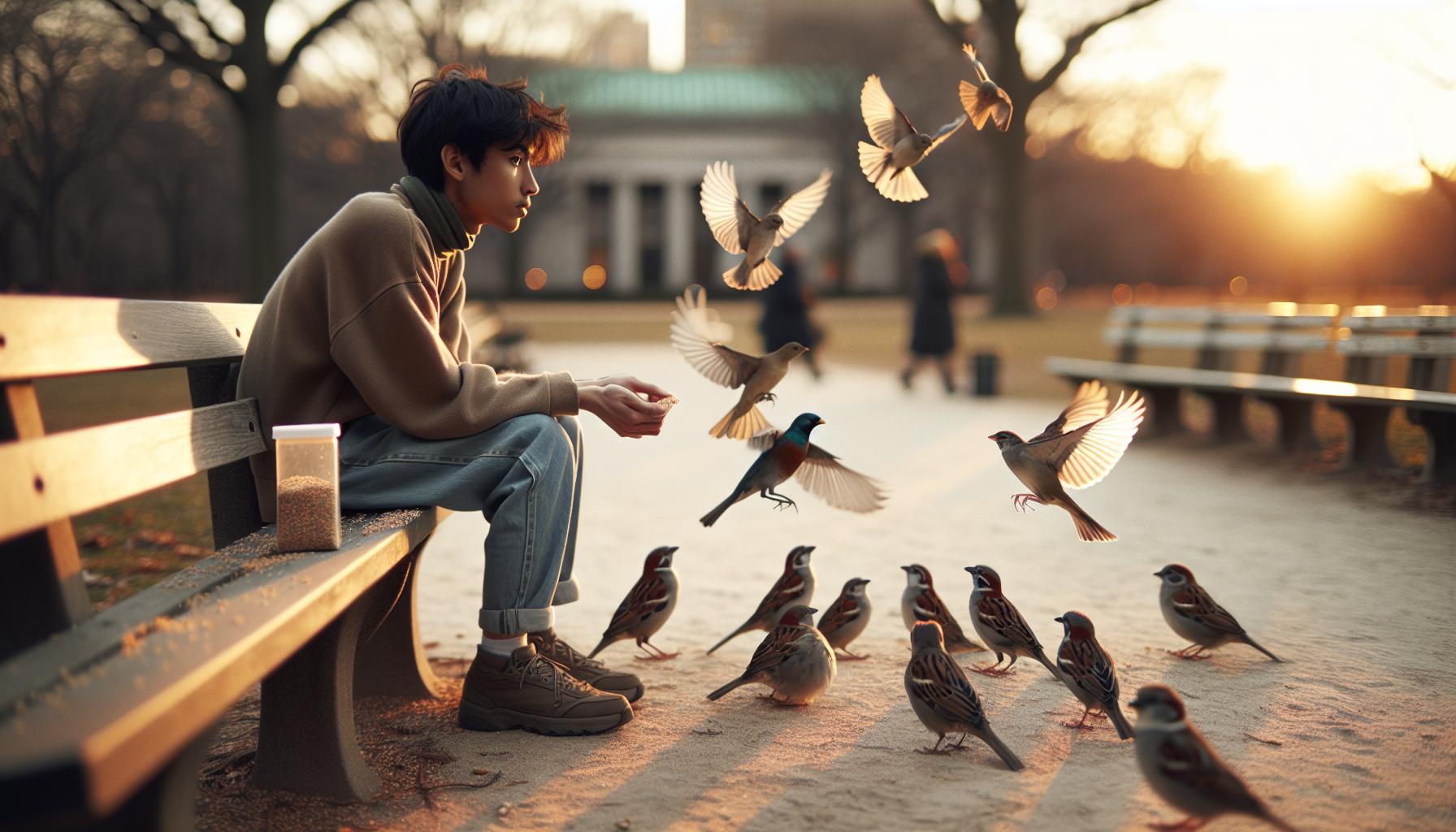
Why Birds Appear Around You: Understanding the Phenomenon
Birds have an uncanny ability to appear suddenly in our lives, often leaving us to ponder the reasons behind their presence. This phenomenon can be attributed to a variety of factors, ranging from environmental conditions to the innate behaviors of the birds themselves. For instance, certain species are known to follow food sources or migratory patterns that may bring them close to human habitats. This natural instinct can lead to unexpected encounters, transforming mundane moments into memorable experiences with wildlife.
Another crucial aspect is the role of habitat preferences. Many birds are attracted to urban environments due to the availability of food, water, and shelter. For example, sparrows and pigeons thrive in areas populated by humans, often venturing close to feed in parks or residential spaces. Moreover, if you engage in gardening or maintain bird feeders, you create a welcoming environment that may draw a variety of species. Elevate your chances of seeing these feathered visitors by ensuring that your garden provides essential resources like seeds, nesting materials, and safe perches.
To understand why birds might visit you personally, consider reflecting on the energy and atmosphere you create around your space. Birds are incredibly sensitive to their environment, responding to both visual and auditory stimuli. Bright colors, floral scents, and gentle sounds can attract them. Additionally, if you’ve established routines such as regular bird feeding, you might find specific birds returning repeatedly, forming a bond that goes beyond mere chance encounters. This connection can inspire joy and provide a powerful sense of calm, reinforcing the uncanny relationship between humans and these avian companions.
In conclusion, the reasons behind birds appearing around you often lie in a blend of behavioral patterns, habitat preferences, and the energetic vibe of your surroundings. By creating a bird-friendly environment and being attuned to these factors, you can enhance your chances of enjoying the delightful company of these beautiful creatures in your daily life.
The Emotional Connection Between Birds and Humans
Birds have a remarkable ability to evoke strong emotional connections with humans, often transcending mere behavior to form what can feel like profound interpersonal relationships. This emotional connection can be especially vivid when you consider the ways in which birds respond to the energy and atmosphere created by their human counterparts. When we engage with birds-whether through feeding, providing shelter, or simply observing them in nature-they tend to recognize our presence and display behavior that reflects awareness and familiarity. This interaction can create a bond that feels both special and deeply rewarding.
Research shows that birds exhibit emotional intelligence akin to some mammals, which further enriches our connection with them. For example, certain species are known to help each other, such as helping raise chicks in communal nests, illustrating their capacity for empathy and social bonding. This behavior mirrors the kinds of emotional connections we experience with friends and family. Birds can also become attached to their caregivers, showing signs of distress or excitement when they see familiar faces, much like dogs or cats do. Engaging with birds in a nurturing way can lead to a reciprocal relationship where they not only visit you more frequently, but also demonstrate their recognition and affection through various behaviors.
Establishing a friendly relationship with birds can be as simple as setting up feeders, birdbaths, or nesting boxes, while also creating a serene environment that makes them feel safe. When you dedicate time to watching these creatures, you’ll often observe intricate social dynamics and emotional displays among them. For instance, songbirds singing can signal their presence, with each call serving as an invitation or even a greeting to humans nearby. This interaction can be both mesmerizing and calming, allowing you to connect with nature on a deeper level.
Creating a welcoming space for birds is not just about providing food; it’s also about fostering an environment that encourages comfort and safety. You can plant native flowers and trees, which can serve as a sanctuary for local birds, and ensure your yard is free of predators. Additionally, take note of the bird species frequenting your space and learn about their behaviors and preferences. This knowledge not only enhances your connection with them but allows for educational opportunities to better understand their needs and ways of life, reinforcing the emotional bond that can exist between humans and these fascinating creatures.
Common Species That Visit Your Space
When it comes to avian visitors, many of us are enchanted by the flurry of colors and songs that inhabit our backyards and gardens. Whether you live in a bustling city or a serene rural area, there’s likely a diverse array of bird species that may frequent your space, each bringing its own charm and behaviors. In observing and interacting with these birds, we not only deepen our connection to nature but also gain insights into their lives and the ecosystems they support.
Common Bird Species to Look For:
- American Robin: Known for its bright orange-red breast and melodious song, the American Robin is often seen hopping around lawns, searching for worms and berries. Their presence signals the arrival of spring for many bird lovers.
- Blue Jay: Recognizable by its striking blue feathers and loud, curious calls, the Blue Jay is often a dominant presence at feeders. These birds are known to be quite intelligent and can mimic the calls of other species, adding an element of surprise to their visits.
- House Sparrow: Adaptable and social, House Sparrows are often found in urban areas, flitting about in small flocks. Their cheerful chirping and propensity to nest in eaves and shrubs make them a familiar sight in neighborhoods.
- Cardinal: With their vivid red plumage, male Northern Cardinals are a stunning sight against the backdrop of greenery. They often sing sweet songs and are known for their strong pair bonds.
- Goldfinch: The American Goldfinch is a vibrant yellow bird that is particularly active during the summer months. They are often seen feeding on coneflower seeds and can be attracted to feeders filled with nyjer (thistle) seed.
Knowing the allows you to better appreciate their roles in your local ecosystem. For those new to birdwatching, simple identification tips such as noting color patterns, sizes, and behaviors can enhance your experience. For seasoned birders, keeping a journal or a checklist can deepen your understanding of migratory patterns and seasonal appearances.
In addition to observing, providing a bird-friendly environment can make your space even more inviting. Planting native flowers and trees can attract insect species that serve as food sources, while offering shelter and nesting opportunities. As you nurture this coexistence, you’ll likely find that those delightful bird calls turn into familiar, comforting sounds that bring joy to your everyday life. Whether you’re filling a bird feeder, setting up a bath, or simply planting native flora, each action contributes to a thriving habitat for your avian friends.
Signs Birds May Be Attracted to You
There’s something magical about suddenly noticing a variety of birds flitting around your space, and many of us have experienced that delightful moment when they seem to appear out of nowhere. Various signs indicate that these feathered visitors may be attracted to you and your surroundings. One clear signal is the presence of food sources; if you’ve filled your bird feeders or planted bird-friendly plants, you’re providing a buffet that will draw their attention. Birds like the American Goldfinch and House Sparrow thrive in areas with accessible food, so their sightings can often correlate with these offerings.
Additionally, watch for specific bird behaviors that suggest they feel safe around you. If birds are seen foraging close to your home or even bathing in your birdbath, they may have found a lovely refuge. Cardinals, for instance, are known to approach areas they feel secure in, often singing sweetly as they do. Such behavior can indicate that they consider your space hospitable and worth visiting regularly.
Another intriguing indicator is the frequency of bird songs and calls. If you find yourself hearing their melodies more often, especially during specific times of the year, it’s a good sign that your yard or garden is appealing to them as a habitat. For example, Blue Jays are known for their loud and varied calls, and a chorus of their sounds can mean they have become regular visitors. These sounds can signify that birds are establishing territory, pairing up, or communicating with one another, reinforcing the idea that your environment has become a desirable location for them.
Environmentally friendly practices that enhance the ecosystem in your area – such as planting native shrubs or installing water features – can further attract birds. If you’re experiencing frequent visits, it may be due to your efforts to provide a welcoming habitat. Birds communicate their approval through their visits, and by observing the frequency of these encounters along with their behaviors, you can gain insights into what attracts them to your space. Embracing these signs will not only enrich your birdwatching experience but also promote a thriving habitat for the avian friends that have chosen to grace your surroundings.
Bird Behavior: What It Means When They Show Up
Birds are remarkable creatures that often captivate our attention with their unexpected appearances. When they seem to materialize nearby, their behaviors can reveal much about their needs and desires. Observing the nuances of how they interact with their surroundings can help us understand these stunning moments beyond mere coincidence. Different species display unique behaviors that provide insights into their motives for flocking to our spaces.
For example, when you notice a group of Chickadees flitting about a bird feeder, it’s not just food they are after. Their curious and social nature signals that they are exploring and establishing a safe territory, often doing so in small, tight-knit groups. If they are calling to each other while hovering around your feeder, they may be alerting others to the openness and safety of your space. In contrast, robins engaging in ground foraging or hopping around your lawn are likely tracking insects and worms, indicating a thriving ecosystem in your yard.
One of the most telling bird behaviors is their vocalizations. When mockingbirds begin serenading in your vicinity, it may signify that they are establishing territory or attempting to court a mate. The variety of calls also serves as a form of communication to signal the presence of food or warn of approaching danger. By simply listening to their calls, you can gain important information about the dynamics of the local bird population.
Creating a more welcoming environment for these feathered friends can enhance your encounters. Planting native shrubs, maintaining a clean bird bath, and utilizing bird feeders suited to specific species can encourage frequent visits. Additionally, ensuring that your yard has a mix of open and sheltered spaces allows birds to feel secure while they search for food and socialize. Every flutter and chirp can be a delightful reminder of the life cycle happening just outside your window, making each bird encounter a gratifying engagement with nature.
How to Create a Bird-Friendly Environment
Establishing a sanctuary for birds not only brings vibrant life to your surroundings but also enhances your interaction with nature. Did you know that the right environment can attract a diverse array of species, potentially turning your yard into a lively avian hotspot? Here are some essential tips to create a bird-friendly habitat that meets their needs for food, shelter, and safety.
One of the most effective ways to draw birds into your space is by incorporating a variety of native plants. These plants provide essential food sources, such as seeds, fruits, and nectar, while also offering natural shelter. Consider planting a mix of shrubs, trees, and flowering plants that bloom at different times throughout the year. This approach ensures that there’s always something available for your feathered visitors. Additionally, avoid chemical pesticides and herbicides, as these can harm birds and their food sources.
Setting Up Feeders and Baths
Bird feeders are another excellent way to attract species looking for a reliable food source. Opt for a range of feeders designed for specific types of birds; for instance, tube feeders for finches, platform feeders for larger birds, and suet feeders for woodpeckers. Pair your feeders with a clean birdbath, which not only offers hydration but also a place for birds to bathe and cool off. Make sure to refresh the water regularly to prevent algae buildup and ensure cleanliness.
Creating Safe Spaces
Safety is a critical factor in making your environment inviting. Birds prefer landscapes that have a mix of open spaces for foraging and sheltered spots for resting and nesting. By including dense shrubs, small trees, and even birdhouses, you can provide hiding places from predators. It’s essential to keep feeders within a reasonable distance from windows to prevent birds from crashing into them, as well as away from areas where cats may lurk.
Being Mindful of Your Environment
Lastly, consider the overall human activity around your yard. Keep noise levels down and minimize disturbances, especially during breeding season. Observing and respecting the natural rhythms of local bird populations can foster a more welcoming atmosphere. Making your space inviting for birds is not just about providing food and shelter; it’s about creating a balanced ecosystem where these beautiful creatures can thrive.
With a little effort and attention to detail, your yard can become a vibrant hub of avian activity, bringing joy as you observe their fascinating behaviors and interactions. Whether you’re a seasoned birdwatcher or just starting, creating a bird-friendly environment can be a rewarding endeavor that enriches your connection to nature.
Cultural Beliefs and Symbolism of Bird Visits
Throughout history, birds have held a profound place in human culture, often perceived as powerful symbols and messengers. Their ability to soar through the skies has led many to associate them with spiritual significance, freedom, and communication. When birds suddenly appear near you, it can stir a curiosity about what such visits may signify. In various cultures, specific bird encounters carry unique meanings, from angels sending guidance to loved ones watching over you, making these moments worth exploring.
Many cultures view birds as direct connections to the divine. For instance, the appearance of a blue jay can symbolize clarity and assertiveness, urging individuals to express their true selves. Similarly, the sighting of cardinals is often heralded as a sign from deceased loved ones, providing comfort and reassurance that they are nearby. In ancient Egyptian mythology, birds were associated with the soul and the afterlife, believed to carry messages between the living and the spiritual world, particularly through the falcon, a representation of the sun god, Horus.
Bird symbolism can also extend into the realm of personal introspection. When a bird chooses to visit you frequently, consider the behavior of the species. A hummingbird, for example, might signify joy and playfulness, encouraging you to lighten your spirit. Conversely, an owl appearing at night is often seen as a harbinger of wisdom and insight, urging you to trust your intuition. Observing their actions and the context of the visit can provide valuable insights into your emotional and spiritual state.
Creating a bird-friendly environment not only welcomes these visitors but also enhances your understanding of these symbolic interactions. By incorporating elements like native plants and feeders, you increase the likelihood of frequent bird visits, forming a deeper connection with nature. Take note of the species that grace your space and research their meanings; this practice turns a simple bird sighting into a more enriching experience, fostering a sense of wonder and appreciation for the feathered messengers that visit our lives.
The Science Behind Bird Attraction
Birds are remarkable creatures with a plethora of reasons behind their attraction to specific environments, including yours. One fascinating fact is that avian attraction often centers around food availability, shelter, and nesting opportunities. Our yards and gardens can provide a smorgasbord of natural resources, making them irresistible to birds. By understanding these scientific principles, you can optimize your space for even more delightful interactions.
Birds often flock to areas rich in food sources, such as seeds, fruits, and insects. For instance, placing native plants that bear berries or seeds can naturally draw in species like finches and sparrows. Furthermore, plants that provide nectar, such as bee balm and trumpet vine, can attract hummingbirds, who are particularly drawn to vibrant colors and plentiful food sources. This relationship between birds and their environment is rooted in evolutionary biology, where species have adapted to thrive in locales that fulfill their dietary needs.
Shelter and safety are equally important. Birds seek out dense foliage and reliable perches to rest and evade predators. Trees, shrubs, and dense flowerbeds create a layered environment where birds can not only find food but also hide away and nest safely. Even adding birdhouses can encourage them to take up residence in your backyard, enhancing both your living space and their wellbeing. The presence of water, be it from bird baths or natural ponds, is also crucial in attracting birds, as they require it for drinking and bathing.
Understanding these elements can help you create a welcoming environment for birds. Keep in mind that different species have varied preferences; for up-close experiences with vibrant songbirds, consider setting up feeders in areas visible from your window. Observing the frequency and diversity of visitors can give further insights into what works best for your particular habitat, turning bird spotting into not just a hobby, but a beautiful interaction grounded in our understanding of avian behavior and ecology.
Feeding Birds: Best Practices for Encouraging Visits
Imagine standing in your backyard, and suddenly, a flurry of colorful birds swoops in, darting from feeder to branch. This enchanting scene can easily turn your garden into a vibrant avian sanctuary. To encourage these delightful visitors, focusing on bird feeding practices is essential. Birds are attracted to reliable food sources, and by understanding their preferences, you can make your yard a welcoming haven.
Choosing the right bird feeder is critical for attracting various species. Tube feeders are excellent for small birds like finches, while platform feeders can accommodate larger birds such as cardinals and doves. Additionally, suet feeders will allure woodpeckers and insect lovers in colder months. To minimize competition from squirrels, consider feeders designed with specific features like baffles or weight-sensitive mechanisms that prevent these nimble critters from accessing the food. According to Mass Audubon, placing feeders 12 to 15 feet away from trees can prevent squirrels from making daring leaps to reach the seed.
Selecting the right food is equally important. Some bird species prefer seeds, so a blend containing sunflower seeds, millet, and cracked corn can attract a diverse array of birds. Nectar feeders can invite hummingbirds, while mealworms will entice bluebirds and robins. It’s also beneficial to change the food seasonally, as birds have varying nutritional needs throughout the year. Avian Report highlights that incorporating water sources nearby, such as bird baths or even small ponds, can further enhance the environment and keep birds returning regularly.
Finally, maintaining a clean feeding environment is crucial. Regularly clearing old seed and cleaning feeders can help prevent disease among bird populations. A vibrant and clean space not only encourages repeat visitors but fosters a healthy bird community. By taking these steps, you can cultivate an inviting atmosphere that welcomes birds to your yard, transforming it into a lively ecosystem filled with avian wonders.
Interpreting Bird Calls and Songs Near You
Birds possess a remarkable ability to express themselves through an array of calls and songs. Understanding these vocalizations not only enhances your birdwatching experience but also deepens your connection to the natural world. Each bird species has a unique repertoire of sounds, and these vocalizations serve various functions, from attracting mates to warning others of danger. For example, the joyful trills of a song sparrow might signal an invitation to potential partners or indicate territorial claims, while the sharp warnings of blue jays can alert other birds to threats nearby.
Recognizing the different calls can help you identify the birds even if you can’t see them. Start by noting the context in which you hear the sounds. For instance, a loud croak early in the morning might indicate a nearby crow, while a delicate whistle could belong to a finch. You can create a reference list of common bird sounds in your area to facilitate learning. Resources like the Cornell Lab of Ornithology offer valuable bird call apps and databases that make identifying these sounds much easier. These tools not only enhance your ability to recognize birds by sound but also allow you to appreciate their communication style.
Birds also use their vocalizations to establish social hierarchies and coordinate group behavior. During the breeding season, you may hear males singing more frequently as they compete for territory and mates. Pay attention to seasonal changes in vocal behavior-some species are notably quieter during migration or winter. Understanding these patterns can provide insight into the unfolding drama of the avian world, where survival often hinges on communication.
Finally, immersing yourself in the sounds of your surroundings can be a rewarding experience. By spending time in nature and practicing, you’ll develop an ear for the nuances in bird vocalizations, enhancing your appreciation for them as complex creatures. Whether you’re a beginner or an experienced birdwatcher, engaging with bird songs can cultivate a deeper respect for the ecosystems they inhabit. Find a comfortable spot, close your eyes, and let the symphony of nature wash over you-each call and song tells a story waiting to be discovered.
Connecting with Nature: The Benefits of Bird Watching
Connecting with the avian world through bird watching offers not only a profound appreciation for nature but also myriad benefits that enrich our lives. Observing birds encourages mindfulness and a deeper connection to our surroundings. For example, the simple act of watching a hummingbird hover near a flower can draw you into a moment of serene beauty, allowing daily stresses to fade away. Research supports this idea, indicating that time spent in nature can boost mood and decrease anxiety levels. Engaging with birds cultivates patience as you wait for fleeting encounters and develops curiosity about the diverse species that inhabit our ecosystems.
Being outdoors and immersing yourself in bird watching also enhances our understanding of local wildlife and ecosystems. This practice can refine your observational skills and deepen your ecological knowledge. For instance, identifying the differences between a Great Tit and a Blue Jay not only sharpens your recognition abilities but also opens doors to learn about their habitats, behaviors, and the challenges they face. As you get to know your local birds, you’ll foster a sense of stewardship for the environment, realizing how human actions can impact their survival and habitat.
Moreover, bird watching is an excellent gateway to community engagement, whether online through forums or in local clubs. Meeting fellow enthusiasts can ignite enthusiasm and provide opportunities for shared experiences and knowledge exchange. From guided walks to citizen science projects, the possibilities for learning and collaboration are vast. Sharing triumphs of spotting a rare species or helping a novice become familiar with a common one fosters a communal passion that can be deeply rewarding.
Ultimately, fostering a connection with birds can transform how we see the world. The benefits of bird watching extend beyond the immediate pleasure of observing these creatures; they encompass holistic improvements to mental health, ecological awareness, and social interaction. Whether you’re a seasoned bird watcher or just starting on this journey, engaging with birds can lead to a richer, more fulfilling relationship with nature and your community. Embrace the wonder that comes with each sighting, as every bird holds a story waiting to unfold.
Exploring Local Ecosystems: Birds and Their Habitats
In any environment, the presence of birds can signal the health and diversity of the local ecosystem. Their varying appearances often correlate with specific habitats, food sources, and seasonal changes. For instance, if you notice a flock of American Goldfinches flitting around your backyard during the late summer, it’s likely linked to the abundance of seeds in nearby plants. Birds are not just visitors to our spaces; they are indicators of the ecological conditions that surround us.
A deeper understanding of local ecosystems reveals how different species adapt to their habitats. Birds like the Eastern Bluebird often prefer open fields with scattered trees for nesting, while other species, such as Chickadees, thrive in woodlands. Observing the birds that frequent your area can enrich your knowledge of their habitat requirements. By creating a bird-friendly environment, you can attract a wider variety of species. Simple steps like planting native flora, providing water sources, and installing birdhouses can make a huge difference. Each species has different perching or nesting preferences, so catering to these can enhance your backyard’s avian diversity.
Moreover, the behavior of birds is closely tied to their environment. For example, if you see a bird conducting a “broken wing display,” it’s likely trying to distract you from its nest, demonstrating its instinct to protect its territory. Understanding these behaviors not only enhances your birdwatching experience but also fosters an appreciation for the delicate balance of local ecosystems. The more you observe, the more connections you’ll draw between bird activities and the landscape around you, reinforcing the importance of maintaining healthy habitats for their survival.
Ultimately, the relationship between birds and their ecosystems unfolds continually. While you may wonder why certain birds appear in your space, it’s essential to consider what your environment offers them in terms of food, shelter, and safety. Each bird sighting serves as an invitation to explore further, revealing the rich tapestry of life that flourishes just outside your doorstep. Embracing this knowledge empowers you to participate actively in conservation efforts, ensuring that these feathered visitors continue to grace our environments for generations to come.
Q&A
Q: Why do certain birds seem to follow me?
A: Birds may follow you due to curiosity or the presence of food. They are inquisitive creatures and often investigate humans, especially if you spend time in their habitat or regularly feed them. Creating a consistent feeding schedule can enhance this connection.
Q: What does it mean when birds appear during specific times?
A: Birds appearing during certain times can indicate seasonal behavior or environmental changes. For example, migratory birds may show up in spring, while local species may appear during dawn or dusk to find food. Observing these patterns can reveal insights about your local ecosystem.
Q: How can I attract more birds to my yard?
A: To attract more birds, create a bird-friendly environment by providing food sources, water, and shelter. Use bird feeders with appropriate seeds, maintain a clean water source, and plant native vegetation that offers natural habitats. These strategies can significantly increase avian visits.
Q: Why do birds choose some people to interact with more than others?
A: Birds may choose to interact with specific people based on behavior and consistency. Individuals who remain calm and still, or those who regularly feed or observe birds, may appear less threatening. This familiarity promotes closer interactions.
Q: Are there spiritual meanings behind birds appearing around you?
A: Yes, many cultures attribute spiritual significance to bird visits. These interpretations vary, often symbolizing messages or guidance from the spirit realm. For instance, a certain bird might represent change or a reminder to connect with nature. Explore cultural beliefs for deeper insights.
Q: What should I do if a bird is consistently flying near me?
A: If a bird consistently flies near you, consider whether you might be in its territory or if it seeks food. Observe its behavior to understand its needs. Avoid sudden movements to prevent scaring it away. You can also identify the species to learn more about its habits.
Q: Can certain bird species be attracted to specific human emotions?
A: Some studies suggest that birds may be sensitive to human emotions, responding to calmness or positivity. Showing enthusiasm for nature or creating a tranquil space may attract more birds, as they pick up on the energy around them.
Q: What actions can discourage birds from visiting my space?
A: To discourage birds from visiting, reduce food sources by removing feeders and cleaning spills. Avoid leaving out pet food or scraps. You can also use visual deterrents, such as reflective materials or decoys, to make your space less inviting to birds.
Concluding Remarks
As we wrap up our exploration of why birds suddenly appear near you, remember that these encounters often carry deep significance and connection. Whether you’re drawn to their beauty or intrigued by their behaviors, these moments can enhance your appreciation of nature. If you’re still curious about how to attract more birds to your space, check out our guide on “Creating Bird-Friendly Gardens” and discover practical tips to bring these delightful creatures closer to home.
Now is the perfect time to deepen your knowledge-consider subscribing to our newsletter for insights on birdwatching tips and care information that can enhance your experiences. You might also want to explore our comparison of bird feeders, each designed to cater to different species and their unique preferences.
Don’t let this be the end of your journey! Share your birdwatching stories in the comments below and explore more articles on bird behavior and care to continue connecting with these fascinating creatures. Your next encounter could be just a page away!