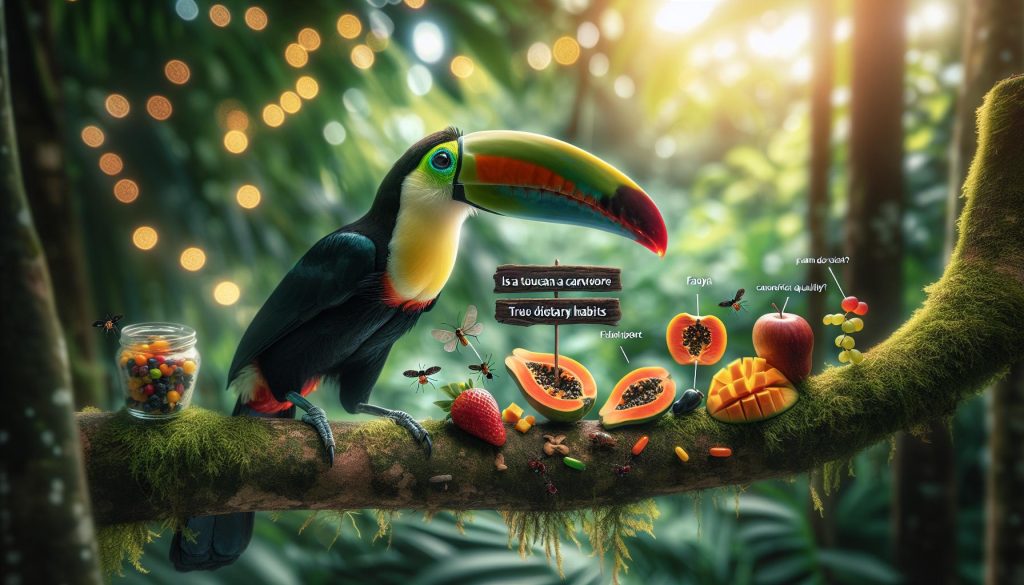
Did you know that toucans, with their vibrant beaks and lively personalities, are often misunderstood in terms of their dietary habits? Many people wonder, “Is a toucan a carnivore?” This question opens a window into the fascinating world of these birds, revealing how their diets significantly influence their behavior and role in the ecosystem. Understanding a toucan’s true dietary preferences is essential for bird enthusiasts, pet owners, and conservationists alike. It not only informs us about their natural needs in the wild but also helps us provide better care in captivity. As we dive deeper into their eating habits-ranging from fruit-loving to occasional insect consumption-you’ll uncover surprising insights that enhance your appreciation for these extraordinary creatures. Join us on this enlightening journey to discover the truth behind what toucans really eat!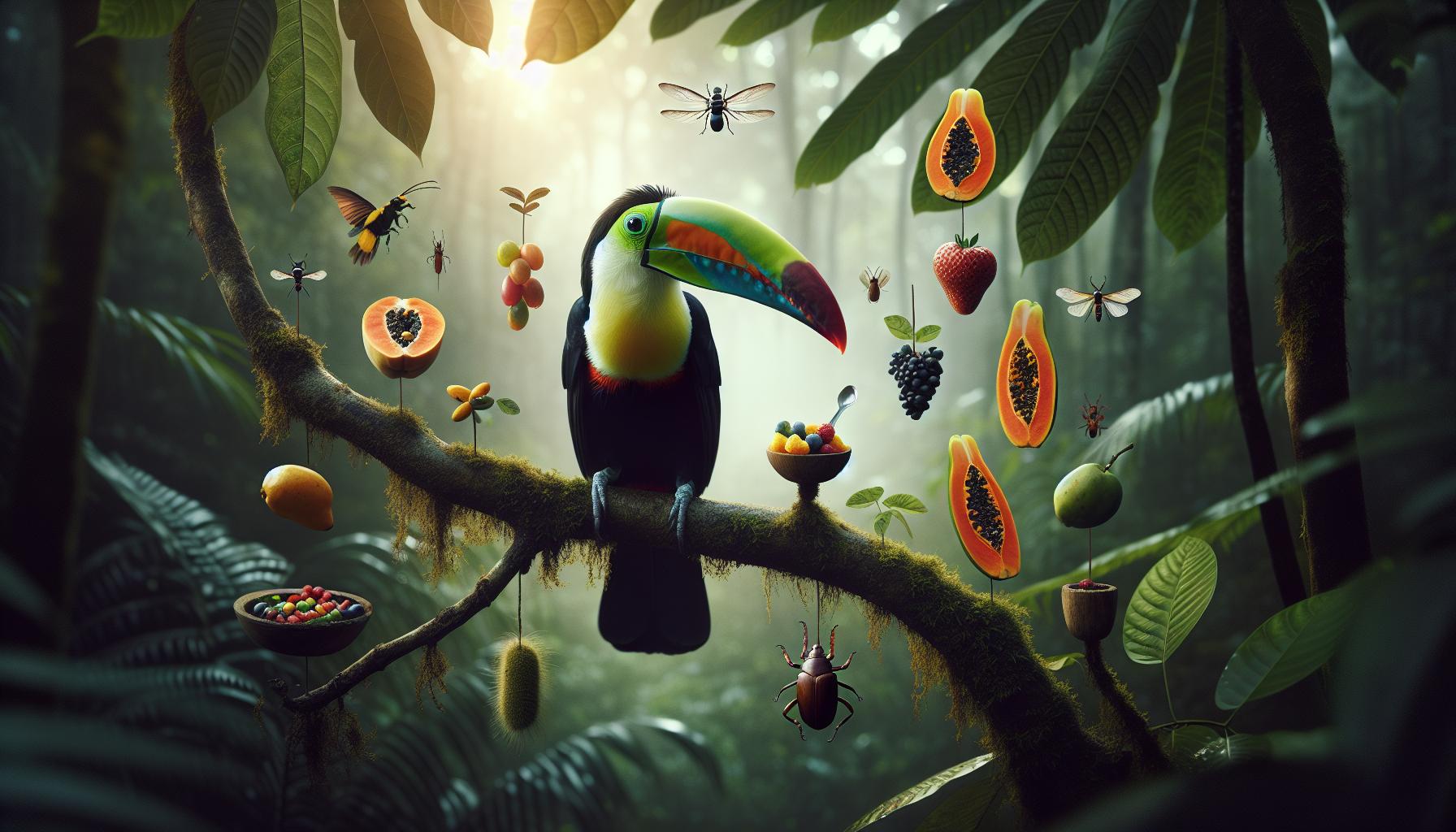
Understanding the Toucan’s Diet and Feeding Behavior
Toucans are often mistaken for being carnivorous due to their vibrant beaks and predatory appearance; however, their dietary habits reveal a more nuanced truth. These striking birds primarily thrive on a diverse diet that heavily features fruits, with up to 90% of their intake consisting of various fruits, berries, and mega-fruits found in their tropical habitats. This fruit-centric menu aligns perfectly with their ecological role, enabling them to act as crucial seed dispersers within their ecosystems.
While the toucan’s diet is predominantly herbivorous, they are not strict vegetarians. They also indulge in insects, small reptiles, and even the occasional bird egg or nestling, providing some protein to complement their primarily fruit-based diet. This omnivorous tendency reflects their adaptability to the availability of food resources throughout the seasons. Toucans utilize their long bills to reach fruits high in the canopy, as well as probing into crevices for insects or small animals.
Understanding a toucan’s feeding behavior also highlights their social nature; these birds often feed in small groups, which improves their efficiency when foraging. Observing their interactions during feeding times can provide valuable insights into their social dynamics and communication. For instance, toucans will engage in a variety of vocalizations and display behaviors that can signal the presence of food or alert others to potential threats.
In summary, the diet of toucans is a fascinating blend of fruits and occasional animal proteins, showcasing their role as both foragers and seed dispersers in their ecosystems. Their feeding behaviors not only contribute to their survival but also enrich the biodiversity of the habitats they occupy.
Are Toucans Truly Carnivores? Exploring Misconceptions
While many people might assume that the toucan’s striking appearance, particularly its large and colorful beak, indicates a carnivorous diet, this assumption couldn’t be further from the truth. In reality, toucans are primarily frugivores, with fruits making up about 90% of their diet. This misconception often stems from their omnivorous tendencies; although they do consume some insects, small reptiles, and occasionally bird eggs, these items represent a minor portion of their nutritional intake. This diverse dietary approach highlights their ecological adaptability and role as important seed dispersers in their forest habitats.
A closer examination of the toucan’s feeding behavior reveals fascinating adaptations that enable them to thrive in their environments. Their long, curved bills are perfectly designed for reaching fruit that grows high in trees, allowing them to access food sources that many other animals cannot. This not only showcases their unique anatomical features but also emphasizes their role in the ecosystem. As toucans consume fruits, they help in seed dispersal, thus promoting plant diversity and regeneration within their habitats.
Importantly, it is also critical to distinguish between diets in the wild versus those in captivity. While wild toucans might have more access to a variety of fruits and occasional protein sources, captive toucans require careful dietary consideration to avoid health issues such as iron storage disease. A diet low in iron, rich in fruits, and designed to meet their specific nutritional needs is essential for their well-being. Understanding these dietary habits is crucial for anyone considering caring for a toucan, as it ensures that these captivating birds not only survive but thrive in human care.
In summary, the toucan’s diet is a compelling example of how ecology and anatomy work together. Their role as frugivores, along with their occasional omnivorous habits, showcases the complexity of their feeding behavior and the importance of differentiating between the perceptions of dietary habits and the reality of their nutritional needs.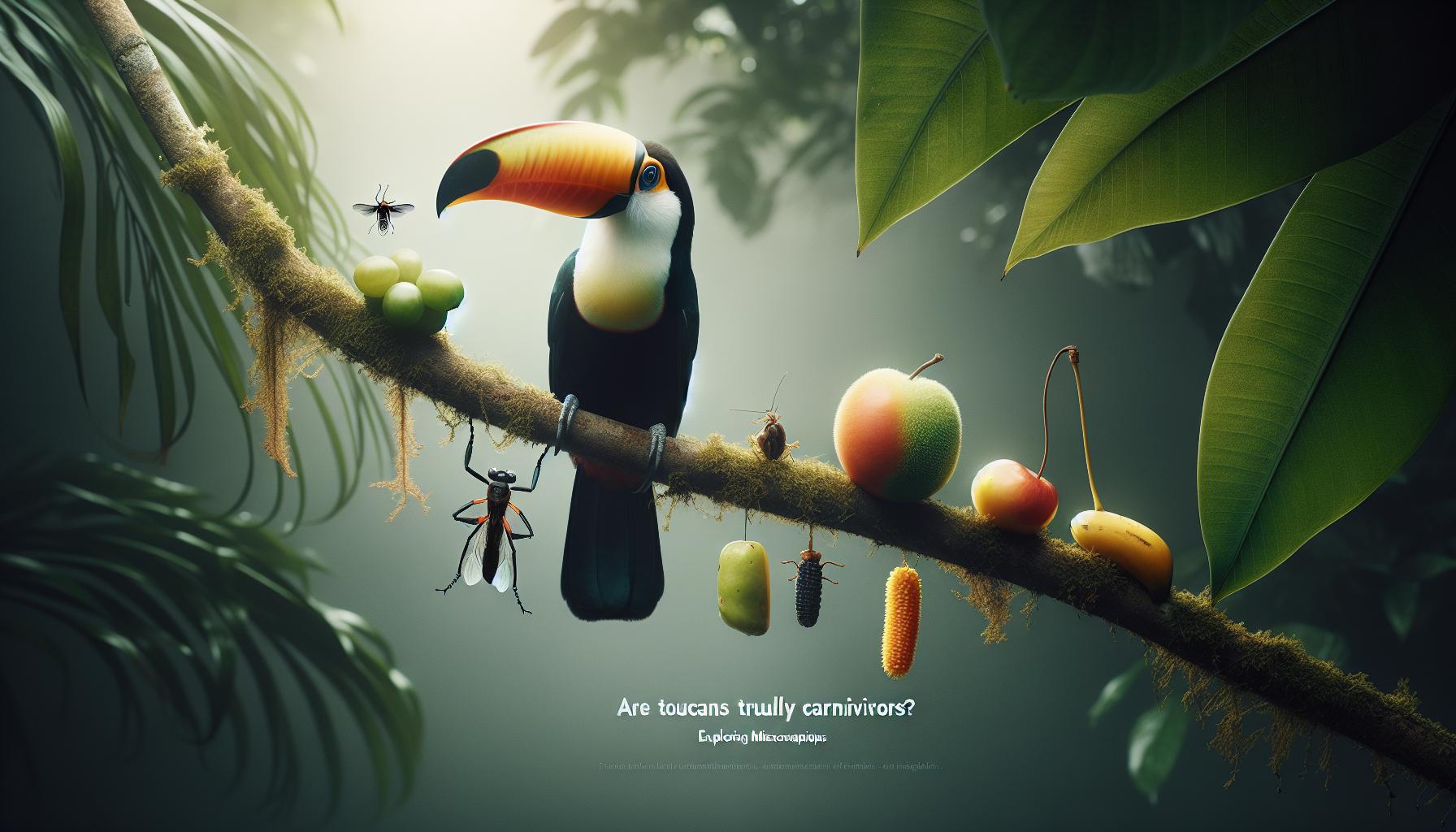
What Do Toucans Eat? A Detailed Dietary Breakdown
Toucans are indeed fascinating when it comes to their dietary habits, showcasing a colorful palette of food preferences that extend far beyond simple fruit consumption. These vibrant birds possess unique adaptations that allow them to thrive in the lush canopies of their tropical habitats, primarily feeding on a variety of fruits, nuts, seeds, and even the occasional insect or small vertebrate. Despite their reputation for having an omnivorous diet, approximately 90% of a toucan’s nutritional intake consists of fruits, highlighting their role as frugivores in promoting forest biodiversity.
Core Components of a Toucan’s Diet
Toucans are skilled foragers, primarily utilizing their large, curved bills not only to reach for fruit located high in trees but also to handle and manipulate their food with great dexterity. This distinctive feeding behavior means they enjoy a wide assortment of fruits such as:
- Berries and figs
- Mangoes
- Papayas
- Bananas
While fruits make up the bulk of their diet, it’s interesting to note that toucans also consume a variety of other foods. They supplement their fruit intake with:
- Insects, including beetles and grasshoppers
- Small reptiles, like lizards
- Occasional bird eggs and nestlings
This omnivorous tendency showcases their adaptability in resource-limited environments, particularly in times when fruit availability decreases, such as during dry seasons.
Feeding Behavior and Food Acquisition
In their quest for dietary diversity, toucans often engage in intricate feeding strategies. These birds are known to forage in groups, which not only helps them spot food more efficiently but also provides protection from potential predators. Their ability to choose ripe fruits over less palatable options is crucial for their survival, as ripe fruits are more nutritious and easier to digest.
When caring for toucans in captivity, it is essential to replicate their natural diet as closely as possible. This involves providing a variety of fresh fruits while being cautious of the sugar content, as some fruits can be high in fructose. A well-balanced diet may also include specially formulated pellets that provide essential vitamins and minerals needed for their health. Dietary management is critical to avoid common health issues associated with captive toucans, such as iron storage disease, which can result from an improper balance of nutrients.
Through understanding what toucans eat, we gain insights into their ecological roles and the importance of preserving their natural habitats. By emphasizing diverse diets and healthy feeding practices, we can ensure the well-being of these captivating birds in both wild and captive settings.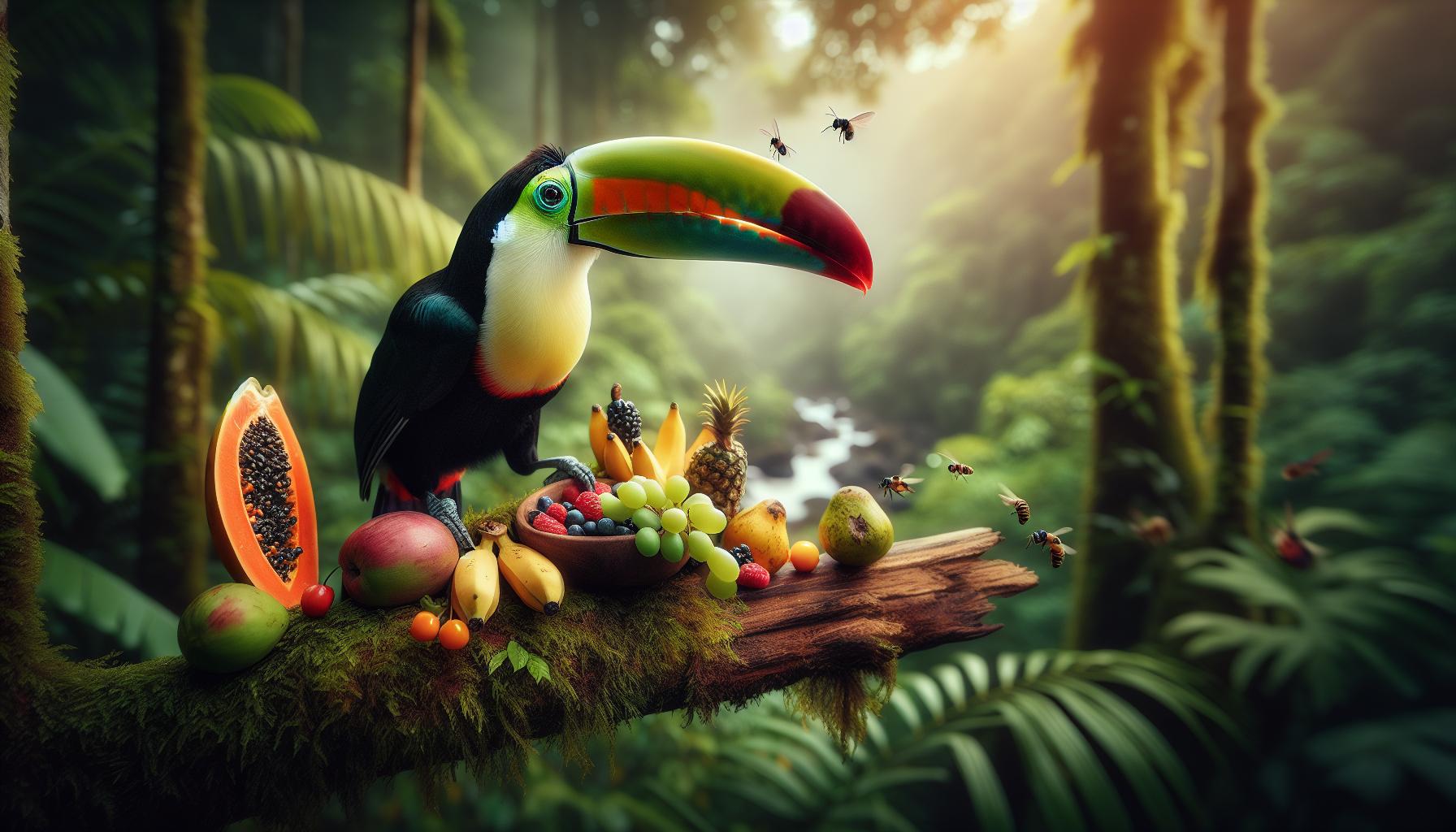
Fruits vs. Insects: A Toucan’s Favorite Foods
Bouquet-like bills and vibrant plumage tell just part of the captivating story behind a toucan’s diet. Although primarily recognized as frugivores, consuming an astonishing 90% of their diet in fruits, these birds also revel in the diversity provided by insects and other animal matter. This omnivorous approach allows toucans to thrive in their tropical forest homes, deftly manipulating their foods with a bill that is not only a tool for foraging but also a showcase of evolutionary adaptation.
Fruits are the cornerstone of a toucan’s diet. Known for their excellent foraging skills, toucans effectively locate and select ripe, nutritious fruits such as berries, figs, mangoes, papayas, and bananas. Their large beaks allow them to reach high branches and consume pieces of fruit that other birds can’t access. However, their taste doesn’t end with fruit; toucans fill in nutritional gaps by indulging in insects like beetles, grasshoppers, and occasionally small reptiles like lizards. This suggests that while fruits provide the bulk of their caloric intake, these additional protein sources are vital for their health, particularly during seasons when fruits are scarce.
The duality of their diet serves critical ecological functions, making toucans not just foragers but also key players in their environment. As they consume fruits and subsequently excrete the seeds, they promote forest regeneration-a symbiosis that underscores their role in biodiversity. In captivity, it’s essential to reflect this natural foraging behavior. Providing a balanced diet of fresh, varied fruits supplemented by commercially available low-iron pellets can mimic wild dietary habits, helping ensure optimal health and long lifespans for captive toucans. Whether you’re a budding bird enthusiast or a seasoned avian caregiver, understanding and appreciating the breadth of a toucan’s diet enriches the experience of observing these magnificent creatures.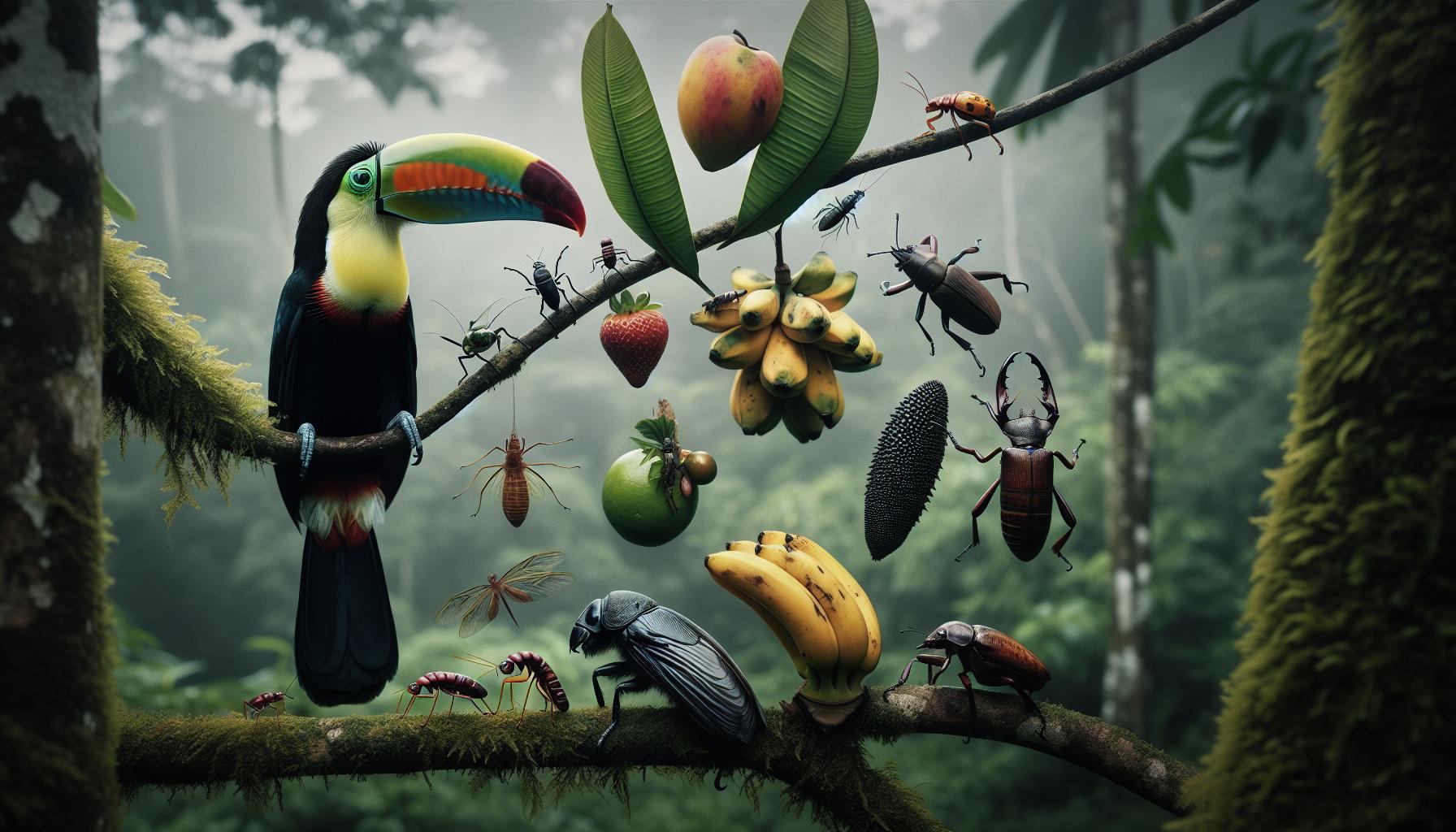
Impact of Diet on Toucan Health and Longevity
The nutritional choices of toucans significantly impact their health and longevity, making understanding their dietary needs crucial for both wild populations and those in captivity. A well-balanced diet not only supports their vibrant plumage and playful behavior but also plays a vital role in preventing serious health issues typical to the species, such as iron storage disease or hemochromatosis. This condition arises from an excessive accumulation of iron in the body, often caused by an improper diet high in iron. Thus, it’s fundamental to maintain a low-iron diet to promote a healthier life.
In the wild, toucans primarily thrive on a frugivorous diet, consuming a large variety of fruits which are rich in vitamins and antioxidants. Fruits such as berries, figs, mangoes, papayas, and bananas form the majority of their intake and provide key nutrients that support their immune system and overall well-being. Adding protein sources, while less common, is equally important, especially during the leaner seasons when fruit availability may dwindle. By incorporating insects and the occasional small vertebrates, toucans can fulfill their protein requirements, which are essential for growth, feather maintenance, and reproductive success.
In captivity, simulating this natural dietary diversity is essential. Bird caretakers should prioritize a variety of fresh fruits and vegetables while carefully selecting low-iron pellets that mimic the nutritional composition of wild sources. Regular monitoring of health and dietary habits can help prevent conditions related to diet, such as obesity or malnutrition. Toucans that receive a balanced diet have been known to live well into their twenties, demonstrating the direct correlation between quality nutrition and longevity. Enthusiastic bird owners can celebrate the joys of caring for these beautiful birds by ensuring their diets are as rich and varied as those in nature, thereby enhancing both the quality of their lives and their own rewarding experience of avian care.
Habitat and Foraging: How Toucans Find Food
Toucans are splendid birds whose distinctive large bills and vibrant colors are not just for show-they play a crucial role in their foraging and feeding behavior. These fascinating creatures primarily reside in the tropical rainforests of Central and South America, where they navigate the canopy layers in search of food. Their adaptation to a frugivorous diet significantly influences their foraging strategies and habitat preferences. While they have the ability to consume insects and small vertebrates, the majority of their diet consists of fruits, which they cleverly extract from branches using their long bills.
In their natural habitat, toucans use their keen eyesight to spot ripe fruits among the dense foliage. They are social foragers, often seen feeding in small groups, which aids in locating food sources. Toucans have a remarkable ability to maneuver among thick branches and leaves thanks to their lightweight bodies and strong, agile feet. The bill, despite its size, is surprisingly useful for reaching into clusters of fruit, helping to pluck them with precision, and even taking a bite while perched. Their unique foraging method allows them to access fruit that may be out of reach for other birds.
During periods of fruit scarcity, toucans exhibit flexibility in their foraging habits. They may turn to insects, such as beetles and caterpillars, or even small reptiles when their preferred food is less available. This adaptability is key to their survival and reflects their opportunistic feeding behavior. Additionally, toucans play an essential role in their ecosystem as seed dispersers; by consuming fruit and later excreting the seeds, they help in the growth and propagation of various plant species. This symbiotic relationship demonstrates how their foraging not only sustains their own diet but also contributes to the health of their rainforest habitat.
For those interested in keeping toucans in captivity, understanding their natural foraging behavior is imperative. Simulating their environment with plenty of perches and hiding spots for food can enrich their lives. Regularly providing a variety of fruits, combined with occasional protein sources, mirrors their wild foraging habits and encourages more natural behaviors. Observing how they explore for food can be a rewarding experience, whether for casual bird watchers or dedicated avian enthusiasts.
Seasonal Dietary Changes in Toucan Species
The vibrant toucan thrives in the dense foliage of tropical rainforests, but did you know that its diet undergoes notable changes throughout the year? Understanding these seasonal dietary fluctuations is vital for appreciating the toucan’s adaptability and ecological role. During the damp wet seasons, when fruits are abundant, toucans consume a diverse range of options, primarily focusing on soft, juicy fruits that provide essential hydration and energy. Their formidable bills allow them to reach deep into branches to find ripe fruits, making this season a buffet for these colorful birds.
However, as the seasons shift and fruit becomes scarce in the dry months, toucans display remarkable flexibility in their foraging strategies. They often supplement their diet with protein-rich sources such as insects, small reptiles, and even bird eggs. For instance, during these leaner times, you might observe toucans hunting for beetles or caterpillars, showcasing their omnivorous nature. This adaptability not only highlights their survival skills but also their role as opportunistic feeders that contribute to the ecological balance of their habitat.
It’s fascinating how toucans also migrate slightly within their territories in search of food, making them highly mobile during periods of dietary scarcity. Their foraging behavior and social feeding habits enhance their efficiency in locating available food sources, especially when traveling in small groups. By adjusting their dietary preferences based on seasonal availability, toucans ensure their survival while continuing to play a critical role as seed dispersers in their ecosystems, helping the rainforest flourish even amid changing conditions.
For bird enthusiasts or those caring for these incredible creatures in captivity, being aware of these seasonal changes can influence how to provide a balanced diet. Mimicking their natural dietary patterns by offering a variety of fruits and occasional protein sources can enrich their lives and encourage more natural foraging behaviors. This knowledge not only enhances the well-being of captive toucans but also deepens our understanding and appreciation of these magnificent birds in the wild.
Comparison: Toucan Diet vs. Other Bird Species
Toucans, with their striking beaks and vibrant plumage, often become the focal point of conversations about avian diets. They might resemble carnivorous birds, but their eating habits are quite distinct. In comparison to other bird species, toucans hold a unique place in the dietary landscape of rainforests. Their diet is not solely focused on the fruits and insects that many might expect; instead, it reflects a more opportunistic and versatile feeding behavior that varies significantly from other birds.
While toucans indeed consume a large variety of fruits, insects, and small animals, they are not strictly carnivorous. This characteristic sets them apart from birds like hawks or owls, which rely primarily on a carnivorous diet of rodents and small mammals. For instance, raptors exhibit specialized hunting techniques and an anatomical structure designed for capturing and consuming animal prey. In contrast, toucans balance their diet through a combination of food sources, demonstrating an omnivorous nature suitable for their rainforest habitat.
Moreover, birds such as parrots, which share similar habitats and sometimes dietary ingredients with toucans, still show key differences in food preferences and feeding behaviors. Parrots can sample a wide range of nuts, seeds, and flowers, and they often engage in more creative foraging techniques. Toucans, with their oversized bills, are exceptional at accessing high fruits and foraging for softer foods. Their feeding strategy exemplifies a unique adaptation, allowing them to thrive where others cannot. This selective feeding plays a role in the ecosystems where they live, as they help with seed dispersal and the general health of forest flora.
As bird enthusiasts consider caring for toucans in captivity, it’s crucial to recognize these dietary distinctions. Providing a diverse menu that mirrors their natural foraging experiences-comprising various soft fruits, occasional protein sources like insects and small reptiles-can promote health and well-being. It’s a blend of understanding their natural behaviors and adapting them to conservation, companionship, or research efforts that truly enhances the experience of keeping these magnificent birds. Embracing their omnivorous tendencies can lead to a more fulfilling relationship with toucans, whether in the wild or under human care.
Caring for Captive Toucans: Nutritional Essentials
Caring for toucans in captivity requires a keen understanding of their nutritional needs, reflecting their diverse omnivorous diets found in the wild. Toucans are notorious for their penchant for fruits, particularly tropical varieties like papaya, mango, and berries, but they also require a balanced intake of proteins and other nutrients to support their health. Providing a variety of food not only satisfies their dietary requirements but also stimulates their natural foraging behaviors, which is essential for their mental health and overall well-being.
A suitable diet for captive toucans typically includes a mix of fresh fruits and specially formulated pellets that are low in iron to avoid conditions like hemochromatosis, to which they are predisposed. It’s crucial to select high-quality pelleted diets recommended by avian veterinarians. In addition to fruits and pellets, you can offer small amounts of insects or cooked eggs as a protein source. When creating a meal plan, it’s beneficial to provide fresh fruits daily, diced and varied to ensure exposure to a range of vitamins and minerals. As a rule of thumb, think of creating a colorful fruit salad that not only delights the eye but also tickles their taste buds.
Practical Feeding Tips
- Mix Up the Menu: Rotate different fruits daily to maintain interest, including apples, grapes, bananas, and various berries.
- Monitor Portions: Toucans can be prone to obesity if overfed, so keep portions reasonable. Fresh fruits should make up a major part of their diet, while pellets serve as a smaller component.
- Fresh Water Always: Ensure that clean, fresh water is available at all times to keep the toucan hydrated.
It’s equally essential to be mindful of food safety; remove any uneaten fruits after a few hours to prevent spoilage. Observing how your toucan interacts with its food can provide insight into its preferences and health, allowing you to adjust the dietary offerings as needed. Lastly, consider the role of lifestyle factors such as exercise and environmental enrichment in fostering a happy, healthy toucan. Engage them with foraging toys that mimic natural foraging behaviors, allowing them to explore and engage mentally as they would in the wild.
Feeding tuccans isn’t just a chore; it’s an interactive experience that can deepen your bond with these fascinating creatures while promoting their overall well-being.
Cultural Significance of Toucans and Their Diet
The toucan, often hailed for its vibrant beak and colorful plumage, holds a special place in various cultures, where it is more than just a striking avian figure. In many Central and South American societies, these birds symbolize the richness and abundance of the rainforest, often serving as representations of fertility and vibrancy. For indigenous tribes, the toucan is not merely a subject of admiration but is often enshrined in folklore and art. Its unique dietary habits, primarily centered around fruits, have influenced not just environmental interactions but also cultural narratives surrounding food and the ecosystem.
As fruit enthusiasts, toucans play a significant role in their habitats by aiding in seed dispersal. When they consume fruits, they facilitate the growth of diverse plant species through their droppings, which helps maintain the ecological balance. This symbiotic relationship between toucans and flora is a fundamental aspect of cultural lore, where the health of the forest is metaphorically tied to the continued presence of these birds. Consequently, various communities respect the toucan, understanding that its diet is integral to their environments’ health, thereby weaving these birds into the cultural fabric where their diets are celebrated as part of the natural harmony.
In contemporary contexts, the toucan’s omnivorous diet, which includes fruits, insects, and small animals, poses a fascinating conversation theme, tying back to conservation efforts and the sustainable management of their habitats. Understanding that toucans’ dietary needs reflect their ecological roles helps communities emphasize the importance of biodiversity conservation. As environmental education efforts grow, these narratives help inspire a holistic understanding of wildlife and its cultural significance, ensuring future generations appreciate both the toucan’s beauty and its vital function within the ecosystem.
- Cultural Representations: Toucans are often depicted in local art and stories, underscoring their integration into cultural heritage.
- Environmental Symbols: The health of toucan populations is often used as an indicator of rainforest vitality.
- Conservation Awareness: Discussions about their diets can raise awareness about broader environmental issues, prompting action and policy support.
By fostering appreciation for their role in nature, you aren’t just admiring an exquisite bird; you’re engaging in a wider dialogue about the interconnectedness of all species and the importance of sustainable practices that celebrate and protect these magnificent creatures.
The Role of Toucans in Their Ecosystem
Toucans are more than just colorful inhabitants of the rainforest; they are crucial players in maintaining their ecosystems. Their diets primarily consist of fruits, but these birds are not strict fruitarians; they also consume insects and small animals, which makes them opportunistic omnivores. This varied diet allows them to thrive in various food niches, but their most significant role is as seed dispersers. By ingesting fruits and later excreting the seeds, toucans facilitate the growth of diverse plants, promoting forest regeneration and biodiversity.
In a typical rainforest setting, the presence of toucans is a positive indicator of ecological health. They help keep certain fruiting trees populations thriving, as the seeds they disperse grow into new plants. This symbiotic relationship benefits both toucans and their habitat, showcasing how integral they are to sustaining flora diversity. Furthermore, as they forage through the treetops, toucans also help control insect populations, thus contributing to the overall balance of the ecosystem.
Since toucans often have to navigate various elevations in their forest homes to find food, they exhibit fascinating foraging behaviors. They have adapted to using their beaks not only to reach fruit but also to extract insects from crevices in the bark. This adaptability enhances their survival and underscores their role in the ecological hierarchy, where they help maintain the balance among differing species.
In many cultures within Central and South America, toucans symbolize fertility and the vitality of the forests. By understanding their dietary habits and roles within their ecosystems, communities can appreciate how these birds are entwined with cultural narratives and the health of their environment. Supporting conservation efforts to protect toucans and their natural habitats is vital, as these magnificent birds are essential to the vitality and resilience of rainforest ecosystems. As such, their decline can have cascading effects on the flora and fauna that depend on the diverse ecosystems they enrich.
Challenges Faced by Toucans in the Wild
Toucans, with their vibrant bills and playful personalities, face a multitude of challenges in the wild, impacting their dietary habits and overall survival. One of the most pressing issues is habitat loss due to deforestation. The rampant clearing of rainforests for agriculture, logging, and urban development not only reduces the availability of their key food sources-such as fruits and insects-but also disrupts the complex ecosystems they rely on to thrive. As these vital habitats shrink, toucans must travel greater distances to find food, which can lead to heightened competition with other species and increased vulnerability to predators.
Moreover, climate change poses a significant threat to toucans. Altered weather patterns can disrupt the fruiting cycles of trees, impacting the availability of food. Many toucan species rely on specific fruiting trees that may become less abundant as temperatures rise and rainfall patterns shift. This can lead to nutritional deficiencies, as toucans may struggle to find their preferred foods during critical periods, ultimately affecting their health and reproductive success.
Additionally, the illegal pet trade poses another hurdle. Toucans are often captured and sold as exotic pets, leading to population declines in the wild. This not only affects individual populations but can also disrupt local ecosystems where toucans play essential roles as seed dispersers. The illegal trade can make it difficult for toucans to maintain stable populations, further complicating conservation efforts.
Understanding these challenges is crucial for anyone looking to support toucan conservation. Actions such as advocating for sustainable land use practices, supporting reforestation efforts, and raising awareness about the impacts of illegal wildlife trade can all contribute to the preservation of these remarkable birds. By taking steps to protect their natural habitats and ensure a stable food supply, we can enhance the resilience of toucan populations and the ecosystems they enrich.
FAQ
Q: What is a toucan’s primary diet?
A: Toucans primarily eat a variety of fruits, making them frugivores, but they also consume insects, small animals, and eggs. Their unique beak allows them to reach fruit high in trees, highlighting their role as important seed dispersers in their ecosystem.
Q: Are all toucan species strict fruit eaters?
A: No, not all toucan species are exclusive fruit eaters. While many prefer fruits, some species also incorporate insects and small vertebrates into their diet, particularly during breeding seasons when higher protein intake is necessary.
Q: How do toucans find their food?
A: Toucans forage for food by moving through their forest habitats, often using their keen eyesight to spot ripe fruits. They may also use their strong beaks to access hard-to-reach food sources, such as flowers and insects hidden in crevices.
Q: Do toucans eat meat?
A: Toucans do occasionally eat meat, but it is not a significant part of their diet. They may consume insects, small reptiles, or the eggs of other birds, mainly to supplement their nutritional needs, especially when fruit is scarce.
Q: How does a toucan’s diet affect its health?
A: A well-balanced diet rich in fruits, insects, and occasional protein is crucial for toucan health. Poor diet can lead to obesity, malnutrition, and decreased lifespan. Proper diet management is especially important in captivity to mimic their natural eating habits.
Q: What unique adaptations help toucans eat?
A: Toucans possess a large, colorful beak that allows them to reach and grasp fruits, while their strong tongues help them manipulate food. This adaptation is essential for their fruit-based diet and aids in foraging and feeding behaviors.
Q: How do seasonal changes affect a toucan’s diet?
A: Seasonal changes significantly influence a toucan’s diet as the availability of fruits fluctuates. During dry seasons, toucans may rely more on insects and other food sources, whereas they will consume a greater variety of fruits during wet seasons when they are abundant.
Q: Can a toucan thrive on a diet of only fruits?
A: While toucans heavily rely on fruits, they cannot thrive solely on them. A balanced diet that includes a variety of foods such as insects and small animals is essential for their overall health and reproductive success, especially in captivity.
Wrapping Up
Now that we’ve demystified whether toucans are carnivores by exploring their true dietary habits, it’s clear that these colorful birds are more omnivorous than often assumed, thriving on a mix of fruits, insects, and sometimes even small eggs. Don’t let this knowledge stop here; dive deeper into the vibrant world of toucans by checking out our articles on “What Do Toucans Eat?” and “The Great Debate: Toucan Nutrition.”
If you’re passionate about caring for a toucan or simply wish to share your thoughts, join our community! Subscribe to our newsletter for expert tips and exclusive insights, or leave a comment below. Your adventures with these fascinating birds could inspire fellow bird lovers. Remember, the journey into the avian world never ends-explore, learn, and share!