
When we think of toucans, vivid colors and oversized bills often come to mind, sparking curiosity about their unique adaptations. But have you ever wondered just how powerful those beaks really are? In this exploration of “Can a Toucan Bite Your Finger Off: Beak Power Facts,” we’ll delve into the fascinating mechanics of a toucan’s beak, examining its role in feeding, defense, and even social interaction. Understanding the true nature of these iconic birds can help alleviate common fears and misconceptions, allowing both enthusiasts and newcomers alike to appreciate their beauty and charm. So, let’s discover what lies behind that striking beak and learn just how toucans interact with their environment-and perhaps, why they may not be the fearsome biters some might think!
The Power of a Toucan’s Beak: Facts and Features
The toucan’s beak is a marvel of nature, combining functionality with eye-catching beauty, making it a focal point of these fascinating birds. With its vibrant colors and impressive size, the beak serves numerous essential purposes that go beyond mere aesthetics. This distinctive feature can comprise about one-third of a toucan’s body length, notably in species like the toco toucan, and it plays a critical role in feeding, social interactions, and even regulating body temperature.
One of the most intriguing aspects of a toucan’s beak is its adaptability. For feeding, these birds primarily consume fruit, but their beak enables them to reach into hard-to-access areas of trees and snag insects or small reptiles as well. The elongated shape and lightweight structure, formed of a unique composite material, allow for efficient handling of food without sacrificing strength. Interesting to note is that the beak’s coloration and size can also signal health and genetic fitness to potential mates, underscoring its importance in reproduction.
Beyond its practical functions, the toucan’s beak is integral to how these birds communicate. The various shapes and colors of their beaks can serve as visual signals to others in their social groups. Moreover, the remarkable design additionally aids in thermoregulation. As blood flows through the beak, excess heat can dissipate, helping to stabilize the bird’s body temperature in the humid environments they inhabit.
Though they possess a formidable beak, the concern about a toucan biting off a finger is often exaggerated. While their bite can certainly be powerful enough to cause pain, it is essential to recognize that toucans are generally not aggressive unless provoked. With responsible handling and proper understanding of their behavior, interactions with these striking birds can be safe and enjoyable. As you explore the unique characteristics of toucans, remember that their beaks are a testament to the wonders of evolution, serving multiple roles that are vital for survival in the wild.
Understanding Toucan Behavior When Provoked
Toucans, with their vibrant beaks and charismatic behaviors, are not just fascinating to watch but also have complex social interactions that can affect how they respond when provoked. While they are generally gentle and playful creatures, their behavior can change significantly if they perceive a threat or feel cornered. Understanding these shifts in behavior is crucial for anyone interacting with them, whether in the wild or in captivity, as it can prevent misunderstandings that may lead to aggressive displays.
In moments of provocation, toucans may exhibit behaviors such as puffing up their feathers, vocalizing loudly, or displaying their beaks prominently as a warning signal. This is often their way of expressing discomfort or stress. For example, if a toucan feels threatened by another bird or human, it may issue sharp calls or exhibit a more defensive posture. It’s important to give them adequate space and avoid direct confrontations, as their initial reaction can be to snap their beak in your direction. This shouldn’t be interpreted as an intention to bite, but rather as a normal defensive response.
As a precaution, creating a calm environment when interacting with toucans can help mitigate potential aggression. Always approach them quietly, avoiding sudden movements or loud noises that could startle them. If you own a toucan, it’s beneficial to establish a routine that promotes comfort and trust. Spending time near them without direct handling while offering treats can encourage a more relaxed demeanor over time. Rewards-based training techniques, using positive reinforcement, can also help you manage their behavior effectively during interactions.
Lastly, it’s crucial to debunk the myth that toucans are naturally aggressive and likely to bite. While their beaks are formidable and can indeed cause pain if they do bite, it’s essential to remember that these birds are not predisposed to act aggressively without provocation. A toucan’s bite is more about asserting dominance or expressing discomfort rather than an outright attack. Understanding their behavior not only fosters a positive relationship but also enhances the overall experience of enjoying these beautiful birds.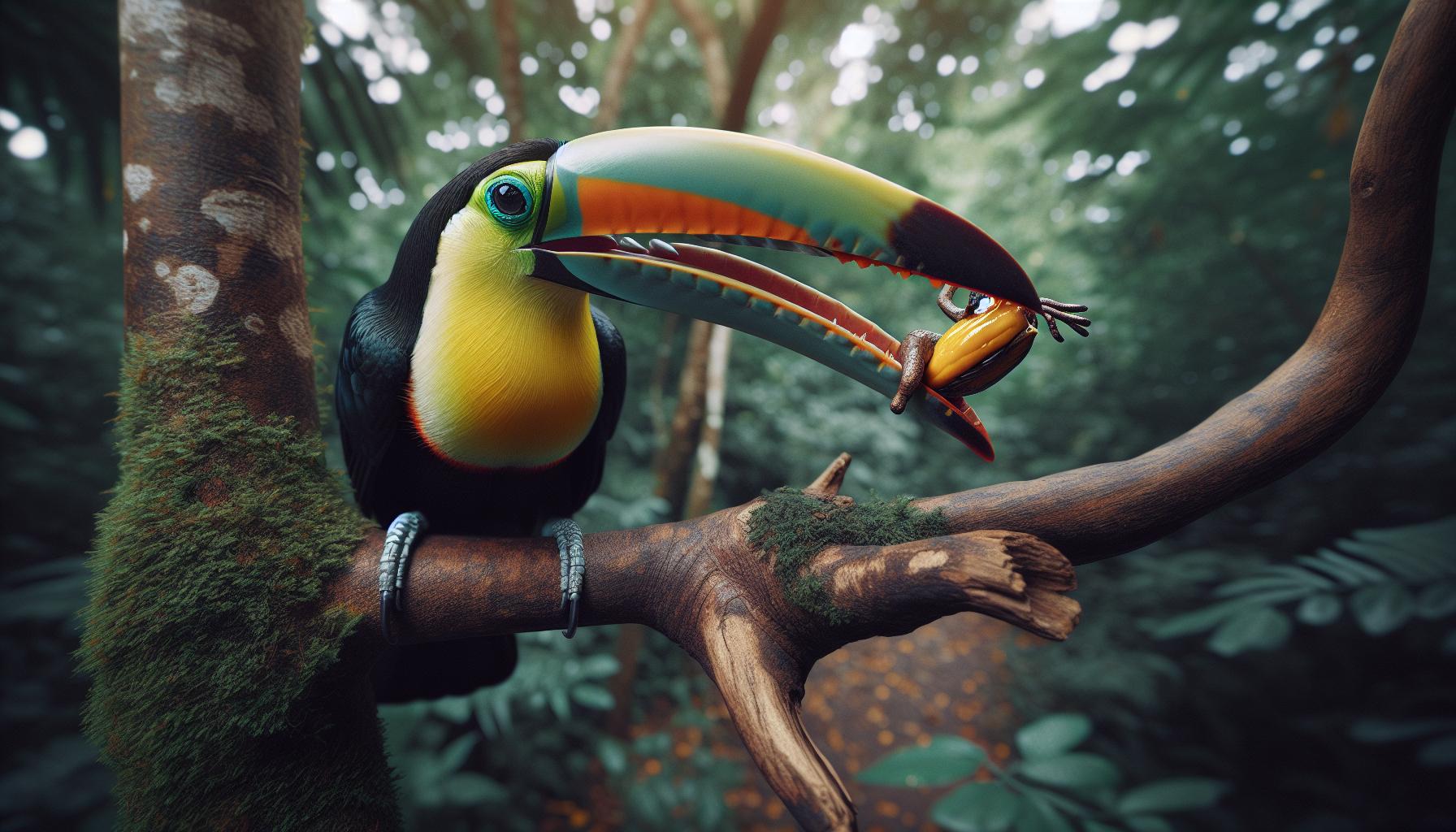
Can Toucans Really Bite? Exploring Their Bite Force
Toucans are renowned not only for their vibrant plumage but also for their exceptionally large, colorful beaks, which are fascinatingly complex structures designed for specific functions. While you may have seen toucans cavorting in appealing commercials or perched charmingly in photos, many wonder about the reality of their bite power. Can a toucan actually cause significant injury, or is their bite more bark than bite?
The beak of a toucan, despite its size, is surprisingly lightweight due to its hollow structure, making it efficient for foraging and feeding. However, the question of their bite force is a common concern. Toucans can exert a force strong enough to injure human skin, particularly if they feel threatened or provoked. In fact, a toucan’s bite can be painful, with sharp edges that can break the skin, especially if the bird is startled or agitated. When I interacted with a toucan at a local wildlife sanctuary, I learned quickly to respect their boundaries after experiencing a gentle warning nip; it was a reminder that even the most playful of birds can assert their strength if they feel uncomfortable.
When assessing how to minimize the risk of a bite, it’s essential to understand their social behaviors and communication signals. Toucans, while social and often affectionate with their handlers, may display defensive postures when they sense danger. Signs such as puffing their feathers, vocalizations, or aggressive clacking of their beaks can indicate their discomfort. For anyone interacting with toucans, maintaining a calm demeanor and creating a trusting environment can significantly reduce the likelihood of an unwanted bite. It’s key to remember that their sharp beaks are primarily tools for feeding-cracking open fruits and nuts-rather than weapons aimed at aggression.
Ultimately, while toucans do have the capability to bite, it’s more about communication and boundary-setting rather than an instinctual aggression. Engaging with these captivating birds involves understanding their behavior and cues, which will enhance your experience and ensure safe and enjoyable interactions.
Toucan Diet and Beak Function: What You Need to Know
Toucans have captivating dietary habits that are intricately linked to their distinctive beaks. Their large, colorful bills are not just for show; they play a crucial role in feeding. The toucan’s beak, though sizeable, is lightweight and designed to reach and pull fruits from branches that are often beyond the bird’s physical reach. This adaptation allows them to access a vast array of foods, making them one of the most versatile eaters in the avian world.
In their natural habitat, toucans primarily feast on a diet that consists of a variety of seasonal fruits, but they’re not strict fruitarians. As frugivores, they also consume insects, small reptiles, bird eggs, and occasionally even small mammals. This diverse diet is essential for their nutrition and helps them thrive in the rich canopies of Central and South American rainforests. The beak’s serrated edges can grasp and slice through food, allowing toucans to enjoy food sources that some other birds cannot access. For pet owners or bird enthusiasts, understanding the toucan’s diet is vital for proper care. This includes providing a balanced mix of fruits, vegetables, and protein sources to mimic their natural feeding habits.
Knowing how toucans use their beaks can also enhance our understanding of their interactions with humans and other animals. While these birds are often viewed as gentle and playful, when provoked, their beaks can demonstrate formidable strength. They have the capability to bite with enough force to break skin-which should never be underestimated. For example, during my visit to a wildlife sanctuary, I witnessed how a toucan can deliver a surprisingly sharp nip when feeling threatened. This incident highlighted the importance of respecting their space and understanding their communication signals, which often indicate discomfort or defensiveness.
As you engage with toucans or consider them for companionship, it’s crucial to replicate their natural environment as much as possible. This includes not only an appropriate diet but also providing enrichment that encourages natural foraging behavior. Understanding their unique feeding and social behaviors will help foster a closer bond and enhance safety during interactions. Emphasizing a balanced diet and respect for their boundaries will ensure you have a rewarding experience with these stunning birds while also appreciating the intricate role their beaks play in their everyday life.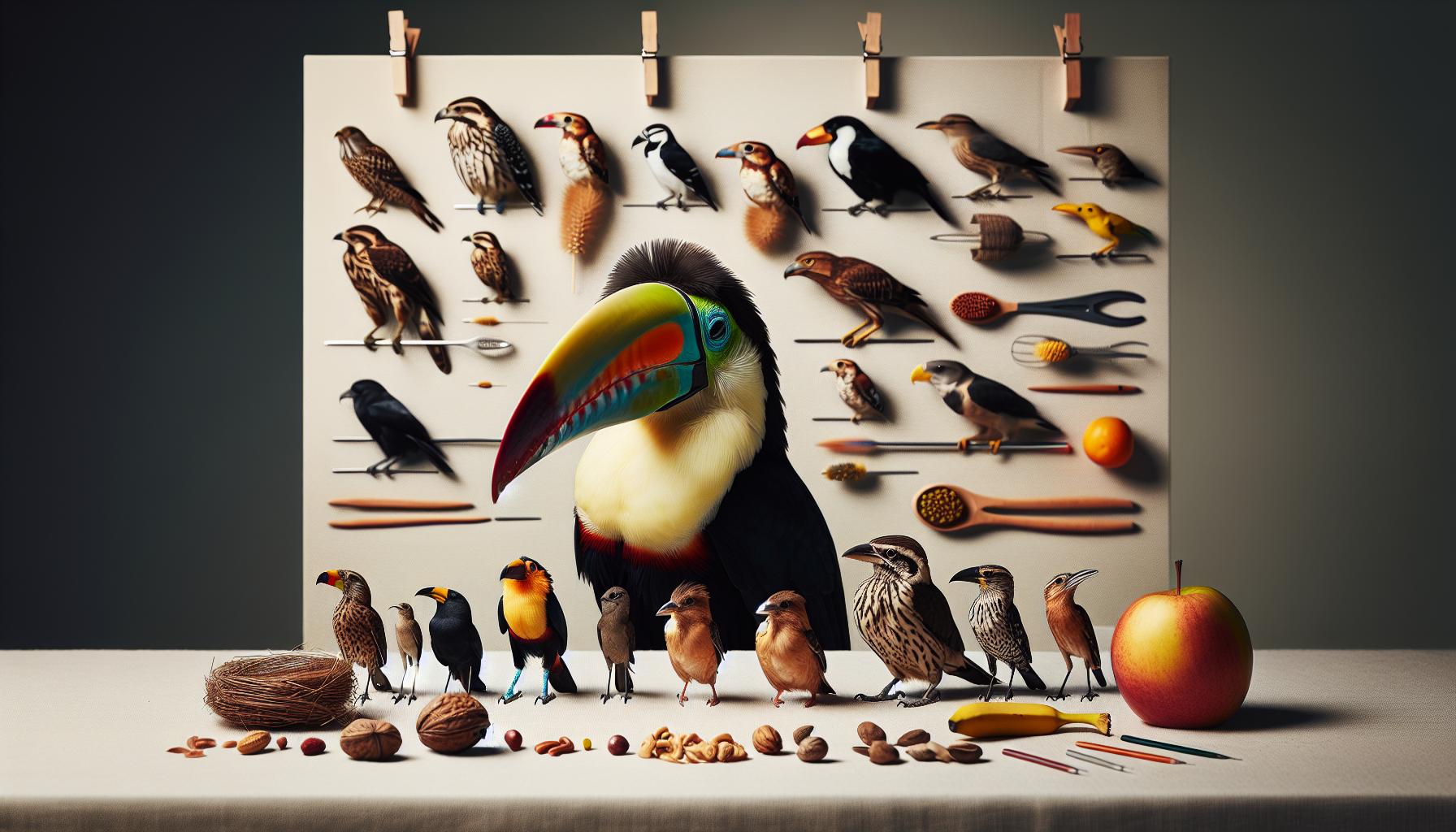
Comparing Beak Strength: Toucans vs. Other Birds
Toucans are renowned not just for their vibrant colors but also for the incredible strength of their beaks. Surprisingly lightweight yet powerful, these tools wield a unique combination of dexterity and power which allows toucans to forage for their diverse diet high in the canopy of South American rainforests. When examining beak strength, it’s fascinating to see how toucans stack up against other feathered friends.
While a toucan’s beak can deliver a solid bite capable of breaking skin-making them more formidable than their playful appearance suggests-many other birds present intriguing comparisons. For instance, raptors like falcons and eagles possess beaks designed for tearing through flesh, as they primarily consume live prey. Their strong, hooked beaks exert significant pressure during feeding, which can be considerably greater when compared to toucans when measured against body size. In contrast, the toucan’s beak, though not suited for meat consumption, excels in grasping and slicing through fruits and nuts, showcasing an evolutionary adaptation for accessing a specialized diet.
Beak Strength Comparison
To better visualize the differences in beak strength, consider the following comparisons:
| Bird Type | Beak Type | Strength & Function |
|---|---|---|
| Toucan | Long, colorful, serrated | Designed for grasping and slicing fruit; can bite firmly when provoked |
| Falcon | Short, hooked | Powerful for tearing flesh and capturing prey; extremely strong bite force |
| Parrot | Curns, strong curve | Great for cracking nuts and seeds; strong bite intended for crushing |
| Woodpecker | Long, chisel-like | Specialized for drilling into wood to find insects; less focused on bite strength |
Toucans exhibit a unique example of strength that serves a different purpose compared to other birds. While their beak is not the strongest in terms of sheer biting power, it is meticulously adapted for their frugivorous lifestyle. This means that while a toucan might not bite your finger off entirely, a nip from one can certainly leave a mark, highlighting the importance of respecting these birds when interacting with them in both wild and domestic settings.
Understanding the differences in beak adaptations not only enhances our appreciation for these magnificent creatures but also informs the best practices for care and interactions, particularly for those who may consider adopting a toucan as a pet. Recognizing the strengths and weaknesses of their beak can ensure safer and more fulfilling experiences with these captivating birds.
Safety Tips: Interacting with Toucans and Their Beaks
When it comes to interacting with toucans, their striking beak is both a marvel and a potential hazard. While it may look playful and colorful, it contains a biting power that isn’t to be underestimated. As caring bird enthusiasts, it’s critical to approach these magnificent creatures with respect and knowledge to ensure safe and enjoyable interactions.
To keep both you and the toucan safe, always observe its body language. Signs of agitation, such as puffing feathers or a stiff posture, indicate that the bird may feel threatened. If you notice these behaviors, it’s best to give the toucan some space. Engaging in a calm demeanor can considerably reduce stress for the bird and establish a more trusting environment. If you’re handling a toucan, use gloves or keep hands at a safe distance from the beak, especially when offering food. This not only protects your fingers but also gives the bird the opportunity to approach on its own terms.
Another essential safety tip is to be mindful of the toucan’s diet and how it relates to its beak function. Toucans are primarily frugivorous, needing a diet rich in fruits and nuts. When offering food, ensure that the items are safe and appropriate for the species. Use specially designed feeding tools if needed, which can help in keeping your hands out of reach while allowing the toucan to enjoy its meal. Enriching their diet not only maintains their health but also minimizes the chances of aggressive biting due to frustration or hunger.
Lastly, educate yourself on common myths regarding toucans and biting. Many may wonder if a toucan can bite your finger off; while it is highly unlikely, their powerful bites can cause bruises or minor puncture wounds. By understanding their beak’s purpose-predominantly for grasping and slicing fruit-you can better appreciate its strength and the importance of cautious interaction. This dedicated approach ensures that your experience with toucans remains both enjoyable and safe, fostering a deeper connection with these incredible birds.
The Anatomy of a Toucan Beak: Design Meets Function
The impressive beak of a toucan is as much a marvel of evolution as it is a tool for survival. With its striking colors and elongated shape, the toucan’s beak is often the first feature to catch the eye, but its design serves critical functions that go beyond aesthetics. Composed primarily of a lightweight, honeycomb structure, the beak enables these birds to reach fruits high in the canopy, which is essential for their frugivorous diet. Additionally, the beak’s size allows for efficient handling of a variety of food types, including insects and small vertebrates, although fruit remains the primary staple.
The beak not only facilitates feeding but also plays a crucial role in thermoregulation. Toucans can control blood flow to their beaks to help regulate body temperature, especially in their typically warm habitats. This unique adaptation illustrates how the toucan’s beak is not just a feeding tool but also a multifunctional organ that aids in maintaining overall health.
When considering safety during interactions with toucans, it’s important to acknowledge the power behind that striking beak. While a toucan’s bite may not be capable of severing a finger, it can produce significant pressure capable of causing bruising or puncture wounds. Thus, respecting the toucan’s natural instinct and behavior, especially when interacting with them, is paramount.
To appreciate the strength and function of a toucan’s beak, one might observe the feeding behavior in a controlled environment. For instance, offering a variety of safe fruits and watching how a toucan uses its beak to slice and grasp can provide insight into its capabilities. Engaging with these birds while being mindful of their impressive beak biology fosters a deeper connection with their world and enriches the experience of bird enthusiasts.
Common Misconceptions About Toucan Biting
While toucans are famous for their vibrant beaks and playful personalities, there are some common misconceptions surrounding how these birds interact with humans, particularly regarding their biting capabilities. Many people wonder if a toucan can actually bite off a finger, but the truth is nuanced and deserves clarification.
Toucans possess strong beak muscles that allow them to exert considerable pressure when they bite. Their beaks, constructed from a lightweight and sturdy honeycomb structure, are designed primarily for grasping fruit and not for combat. While a toucan bite can certainly be painful enough to cause bruising or puncture wounds, they are unlikely to achieve the power necessary to sever a digit. This misconception often arises from the dramatic imagery used in cartoons and advertising that exaggerate the toucan’s capabilities to capture attention.
It’s also important to understand the context of a toucan’s behavior when addressing biting concerns. Toucans are generally gentle creatures but can exhibit defensive behavior if they feel threatened or uncomfortable. This underscores the importance of approaching these birds with respect and caution. Providing ample warmth and trust during interactions, such as offering food from a safe distance, can help you avoid provoking a bite.
For those interested in owning a toucan as a pet or simply engaging with them in captivity, understanding their body language is key. Signs of agitation can include puffing up, squawking, or swaying their heads. Recognizing these signals can prevent an unwelcome bite and ensure a more harmonious relationship. Overall, the myth of a toucan’s bite is an exaggerated concern; with the right knowledge and approach, both the bird and its human companions can coexist safely.
Caring for Toucans: Beak Care and Maintenance
Toucans are known for their strikingly beautiful beaks, but did you know that caring for a toucan’s beak is just as essential as any other aspect of their care? Their beaks, while lightweight and colorful, require regular maintenance to ensure they remain healthy and functional. Toucans use their beaks for feeding, social interaction, and even temperature regulation, so understanding the nuances of beak care is crucial for any caretaker.
To maintain a toucan’s beak, a balanced diet rich in vitamins and minerals is essential. Fruits like bananas, papayas, and berries are staples, but incorporating protein sources like insects can enhance their nutrition. Additionally, the beak benefits from natural wear, so providing safe, non-toxic toys made from wood or other materials encourages chewing and beak health. Regularly offering different textures and shapes aids in keeping beak growth in check.
Routine Checks and Cleaning
Performing routine checks on your toucan’s beak is key to spotting any potential issues early. Look for signs of abnormalities such as fractures, overgrowth, or discoloration. If you notice any of these signs, consult a veterinarian experienced with exotic birds. For regular cleaning, a gentle wipe with a damp cloth can remove food residue, ensuring the beak remains clean and healthy.
Understanding Behavior and Beak Functionality
Beak care goes beyond physical maintenance; understanding your toucan’s behavior also plays a pivotal role in their well-being. Observe how your toucan interacts with its environment and their beak usage. A well-adjusted toucan will utilize its beak for foraging and exploring, which is indicative of a healthy, stimulated bird. If you notice less engagement, it may signal boredom or discomfort, necessitating environmental enrichment or a diet adjustment.
By prioritizing beak care and understanding its significance in your toucan’s life, you foster not only a healthier pet but also a more enriching companionship. The beak is not just a tool; it’s an essential part of your toucan’s identity and interaction with the world around them.
Toucans in Culture: Myths and Legends About Their Beaks
In many cultures, toucans and their vividly colorful beaks have inspired a wealth of myths and legends. The toucan’s striking appearance has not only captivated birdwatchers but also ignited the imaginations of storytellers throughout history. Often found in the lush forests of South America, these birds are regarded as symbols of vitality and creativity, with their beaks representing a connection between the mundane and the mystical.
One popular myth from indigenous cultures portrays the toucan as a messenger between the human world and the spirits of the forest. It is said that the unique coloration of their beaks reflects the vibrancy of the natural world. The toucan is believed to carry messages from the ancestors and provides wisdom to those who respect the environment. This connection is further underscored by the understanding that toucans play a crucial role in their ecosystems, often dispersing seeds and helping to maintain the health of the forest.
In folklore, the toucan’s beak is sometimes attributed supernatural powers. For instance, some stories claim that a toucan’s beak can reveal hidden treasures or show the way to sacred places. The idea that such a beautiful yet seemingly simple organ can possess vast potential captures the imagination and speaks to the fascination humans have with nature’s wonders. This ties into the modern perspective on toucan conservation, highlighting the importance of protecting their habitats to ensure these legendary birds continue to thrive.
Despite their mythical stature, it’s essential to understand the reality of toucans and their beaks. While they have a reputation for being capable of delivering strong bites, their primary role lies in feeding on fruits, insects, and small animals. The beak is designed for grasping and manipulating food rather than aggression. This misconception is often exaggerated in stories, but the truth remains that these birds, while possessing the capacity to bite, are not a threat unless provoked.
As you engage with toucans-whether in the wild or in captivity-remember the rich cultural narratives surrounding them. These tales not only enrich your understanding of these fascinating birds but also emphasize the critical need for conservation efforts. By respecting their space and natural behaviors, we can ensure that the toucan continues to thrive, both in legend and in reality.
Best Practices for Keeping Toucans as Pets
Keeping toucans as pets can be an incredibly rewarding experience, filled with vibrant colors, quirky behaviors, and an opportunity to deepen your connection with nature. However, their unique needs and the power of their beaks require careful consideration and preparation. With proper care and understanding, toucans can thrive in a home environment while ensuring that their beaks are used for what they were designed for-manipulating food rather than facing potential aggression.
To start, it’s important to create an environment that mimics a toucan’s natural habitat as closely as possible. This means providing a spacious aviary that allows for ample flying space, climbing structures, and plenty of foliage. Toucans are naturally arboreal, so including branches and perches of various diameters can promote healthy foot structure and give them a place to exercise. Furthermore, the enclosure should be escape-proof and well-ventilated, as toucans can be quite curious and energetic.
In terms of diet, toucans have very specific nutritional requirements-primarily fruit, but also insects and small animals. A misbalanced diet can lead to health issues, including beak deformities or nutritional diseases. It’s essential to offer a variety of foods, and always ensure that the fruits are fresh and pesticide-free. Additionally, with a toucan’s powerful beak, it’s crucial to educate yourself on how to safely handle them. Using soft, non-threatening approaches when interacting with your pet is key. Never approach a toucan with your fingers directly unless you are confident in your established bond; instead, use treats and toys to gain trust.
Behavioral understanding is just as vital. While toucans can be playful and affectionate, they can also be sensitive to stress-a loud noise or sudden movements might provoke them. Establishing a routine can help them feel secure, but it’s also important to respect their space. If provoked, a toucan may use its beak defensively, so teaching gentle handling and allowing them to come to you on their terms can mitigate this risk.
Lastly, it’s crucial to stay informed about the nature and traits of your specific toucan species, as different species may have differing needs and temperaments. For potential toucan owners, joining birding communities and seeking advice from experienced breeders can provide invaluable insights. By prioritizing your toucan’s health, environment, and psychological well-being, you can not only enjoy their unique beak power in action but also build a rewarding relationship that celebrates these extraordinary birds.
Why Choose a Toucan? Unique Traits and Considerations
Imagine stepping into a colorful world filled with vibrant plumage and dynamic personalities. Toucans offer a unique opportunity to connect with an exotic species that combines striking visual appeal with fascinating behavior. These birds are not only known for their oversized, vividly colored beaks but also for their playful, inquisitive nature, making them a captivating choice for avian enthusiasts. The toucan’s beak, fairly lightweight yet remarkably strong, serves many functions beyond its stunning looks. It’s an essential tool for foraging, social interactions, and even regulating body temperature.
When considering a toucan as a pet, it’s crucial to understand the special requirements that come along with their care. Toucans are highly social creatures, thriving in environments that mimic their natural rainforest habitats. This means providing an aminimum size aviary conducive to flying and climbing, alongside a variety of safe perches. Their diets are equally essential-primarily composed of ripe, freshly available fruits, supplemented with insects and occasionally small animals to meet their nutritional needs. In contrast to many domesticated bird species, a toucan’s feeding habits require more effort and understanding, highlighting the importance of research and preparation for prospective owners.
Moreover, the relationship you cultivate with a toucan can be incredibly rewarding. Their playful antics and vocalizations can greatly enrich your home life, leading to unique bonds between owner and bird. For committed bird keepers, understanding a toucan’s behavior is key. They might display signs of affection or potential distress through body language and sounds, allowing for deeper communication and interaction with their human companions. These meaningful connections make the effort worth it, especially when you see your toucan thrive and express its personality in a nurturing environment.
Choosing a toucan means embracing a joyful challenge-a chance to dive into the captivating world of avian care. It’s essential to continually learn about their specific needs based on species, as well as appropriate handling techniques to ensure safety and comfort for both the bird and owner. Joining birding communities or forums can provide invaluable insights, linking you to experienced toucan keepers. With dedication and care, these remarkable birds can become cherished members of your family, turning your home into a lively haven filled with color and life.
FAQ
Q: Can a toucan bite your finger off?
A: Toucans have strong beaks, but they are generally not dangerous to humans. While they can bite and may cause injury, it’s unlikely they can bite off a finger. Proper handling and understanding of their behavior can prevent accidental bites.
Q: What is the bite force of a toucan?
A: The bite force of a toucan varies by species but is relatively moderate compared to other birds. Toucans use their beaks primarily for foraging and not as weapons, so their bite is not as powerful as that of carnivorous birds.
Q: How do toucan bites feel?
A: A toucan’s bite can feel like a pinch and may cause mild pain or discomfort, especially if they are startled or provoked. Understanding their cues can help avoid unwanted nips. Always approach them calmly to minimize stress.
Q: Why do toucans bite?
A: Toucans may bite when they feel threatened, frightened, or during play. Recognizing their body language and ensuring a safe environment can reduce the chances of biting. Regular interaction helps them feel secure and reduce aggressive behavior.
Q: Are toucans aggressive towards humans?
A: Toucans are not typically aggressive towards humans; they are curious and playful. However, like any animal, they may show aggression if they feel threatened. Building trust through gentle handling is essential in managing their behavior.
Q: Can toucans be kept as pets safely?
A: Yes, toucans can be kept as pets, but they require specialized care, including a proper diet and crafted living environment. Proper training is vital to ensure they are well-socialized and minimize aggressive behaviors.
Q: What should you do if a toucan bites you?
A: If a toucan bites you, remain calm and gently remove your hand without jerking it away. Clean the bite area to prevent infection, and observe for any signs of excessive bleeding or infection. Consulting a medical professional if concerned is advisable.
Q: How should you interact with a toucan to prevent bites?
A: Interact with a toucan by approaching slowly and speaking softly to avoid startling them. Offer treats and allow them to come to you. Regular, positive interactions will foster trust and minimize the risk of bites.
For further insights into toucan behavior and care, check out our sections on Understanding Toucan Behavior When Provoked and Best Practices for Keeping Toucans as Pets.
In Summary
While toucans possess impressive beaks, the notion of a toucan biting your finger off is largely exaggerated. Understanding their behavior and diet reveals that these vibrant birds are more playful than dangerous. If you’re fascinated by toucans and want to dive deeper into their intriguing world, check out our articles on Toucan Facts: Habitat, Behavior, Threats & Conservation and related bird species to expand your knowledge.
Don’t miss out on future insights-subscribe to our newsletter for the latest updates on bird care and conservation. Curious about other colorful birds? Explore our guide to the stunning avian residents of the Neotropics. Join the conversation in the comments below, share your thoughts, and let’s celebrate the wonders of wildlife together! Your next birding adventure awaits!