
Did you know that parakeets have an incredible sense of direction and strong homing instincts? However, these delightful little birds can easily stray from home, leaving their owners anxious and in search of solutions. In “How to Catch a Parakeet: Escape Recovery Guide,” we will explore effective strategies to help you safely locate and capture your beloved feathered friend. Whether you’re a seasoned bird keeper or a new parakeet parent, understanding the unique behavior and characteristics of these charming birds can significantly improve your chances of a successful recovery. By following our practical advice and insights, you’ll not only ease your worries but also strengthen the bond with your parakeet, ensuring it returns home quickly and safely. Let’s dive into the valuable techniques and tips that will empower you in the quest to bring your adventurous companion back to the nest!
Choosing the Right Environment for Your Parakeet Catching Attempt
Creating the perfect environment for your parakeet catching attempt is crucial to successfully recovering your feathered friend. Parakeets are small, agile birds that can navigate through the tiniest of spaces, making it vital to set the stage wisely. Start by ensuring that the area is quiet and free from distractions-this not only helps in keeping the parakeet calm but also in reducing the chances of startling them, which could lead to further flight. If your pet has escaped into a room, close the doors and windows to confine them to a smaller space, making it easier for you to approach without alarming them.
Focus on positioning the room’s furniture and items to create a safe and serene environment. Move anything that could potentially harm the bird, such as sharp objects or small items they could swallow. Soft lighting can be beneficial, as bright lights may induce stress or panic. Instead of turning on the overhead lights, consider using lamps with a soft glow. Having places for the bird to hide is also important-think about items like open boxes or clothing left on the floor. These can provide a comforting refuge for the parakeet, making it more likely for them to feel secure enough to come down from their perch.
It’s essential to manage your own presence in this environment. Approach slowly and gently to avoid startling your parakeet. Remember, they can sense movement and sound from a distance. Staying calm and composed will go a long way in encouraging them to feel safe and come out of their hiding spots. Use this quiet time to observe their behavior; understanding their movements can give you insight into how best to approach them when the moment is right.
By creating a familiar and peaceful environment, paired with a patient and gentle approach, you’ll significantly increase your chances of successfully coaxing your parakeet back to safety.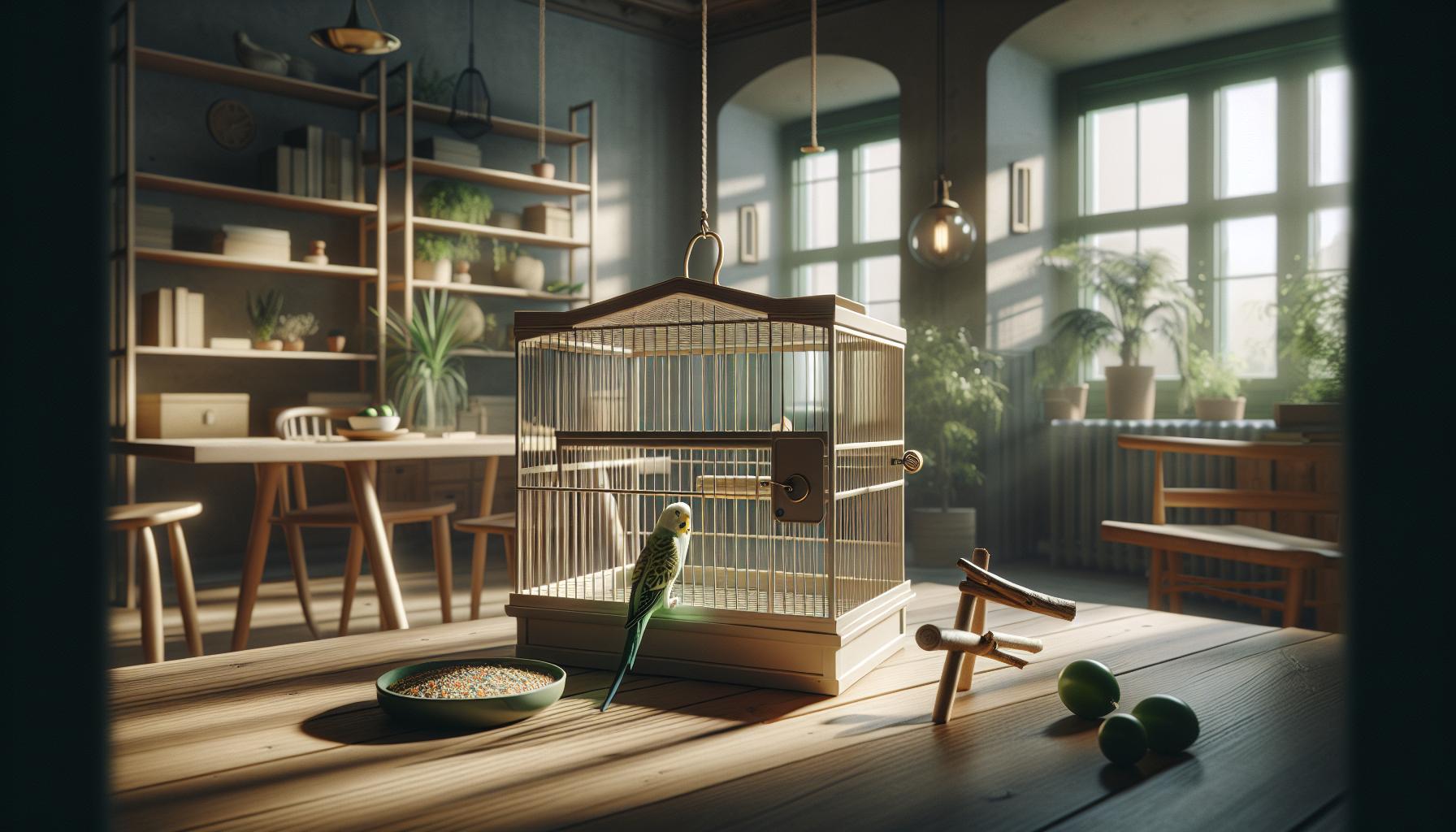
Understanding Parakeet Behavior and Escape Tactics
Understanding parakeet behavior is crucial when attempting to retrieve an escaped bird, as their instincts and natural tendencies can significantly influence your approach. Parakeets, also known as budgerigars, are social and inquisitive creatures, often expressing a range of behaviors that can help you gauge their mood and intentions. When they escape, their first reaction is typically panic, which can result in erratic flying and hiding in dark or high places. Recognizing this behavior is vital; they might initially retreat to a perch where they feel secure before attempting to explore their new surroundings.
Parakeets are also territorial and may exhibit flight patterns that allow them to assert their dominance over their space. If cornered or stressed, a parakeet might dive or swoop, which can be intimidating for both the bird and the handler. Understanding these escape tactics, you’ll need to approach your parakeet in a manner that avoids escalating its fear. Instead of chasing or grabbing at them, which can cause further distress, consider a slow approach. Get down to their level and speak softly to reassure them. If they are perched high, they may feel more secure if you mimic their perch height by sitting or kneeling.
Additionally, creating an inviting atmosphere can encourage your parakeet to come to you voluntarily. Utilize simple tools and techniques, such as treats or their favorite toys. By placing these items within their line of sight, you can entice them to return to you. Remember to maintain a gentle demeanor throughout the process; birds are incredibly perceptive and can pick up on stress or agitation in their environment, often leading to more flight.
A strong understanding of how parakeets behave and their inherent escape strategies will not only aid in capturing your avian companion but will also enhance your bond with them. By demonstrating patience and empathy during this challenging time, you can effectively regain their trust while ensuring a safer and more harmonious home for both of you.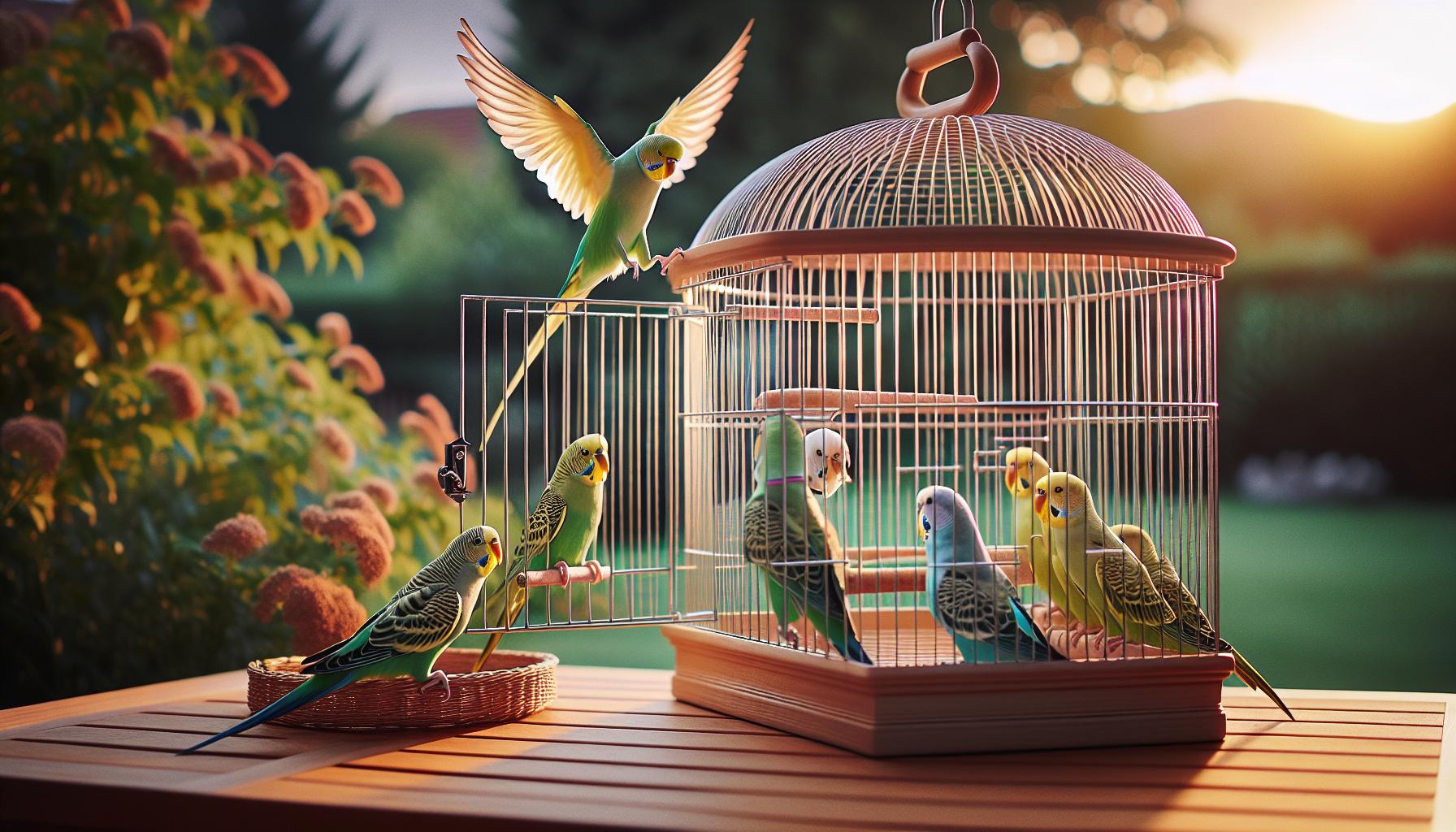
Essential Tools for Safely Catching a Parakeet
When your parakeet has made a daring escape, having the right tools on hand can make the difference between frustration and success. Before you embark on your recovery mission, gather some essential items that not only facilitate a safer capture but also help maintain a calm and inviting atmosphere. A well-equipped toolkit will allow you to handle the situation with confidence and care, ensuring your feathered friend feels less likely to retreat in fear.
Start with a few well-chosen items that will make your catch easier and more humane. A large, soft towel is invaluable; it can be used to gently cover and calm your parakeet if necessary. A soft cloth minimizes stress and injury risks, making it a far better option than trying to catch them in your hands. It’s essential to have treats or their favorite toys ready as well. Bringing forth their preferred snacks can lure them back into your reach and help build trust quickly after the incident. A small net, particularly one designed for birds, can also be a great addition. Opt for a net with a soft mesh that will not harm your pet if you need to use it quickly, but remember to use it sparingly and only as a last resort.
Light can play a critical role in your efforts as well. Have a flashlight nearby to help illuminate high, dark places your parakeet may seek shelter. Birds often hide away in unexpected spots, so exploring different areas with a soft, steady light can guide them back into view. Importantly, a bird-safe crate lined with cozy materials can serve as a temporary refuge post-capture, allowing your parakeet to decompress while you reflect on their adventurous moment.
Lastly, patience is a tool in itself. Maintaining a calm demeanor throughout the process will help reassure your parakeet when you finally do approach them. Sometimes, simply sitting quietly with an open container of their favorite seeds nearby is just what they need to feel safe enough to come back. With the right tools and a gentle approach, you can create a relaxing environment that fosters cooperation rather than fear, successfully reuniting with your adventurous companion.
Step-by-Step Guide to Locating Your Escapee
In the chaotic moments following a parakeet’s escape, every second counts. The sooner you begin your search, the higher your chances of a successful reunion. Start your search in areas where the bird might feel safest, like the vicinity of the exit point. Parakeets are generally curious and may venture a short distance before finding a perch or hiding spot. Begin your quest by ensuring the environment is quiet-stop any loud activities that might frighten them and create a calm atmosphere.
Search Strategy
When you initiate your search, start by checking common places your parakeet might gravitate toward. Look for:
- High Perches: Birds often seek refuge elevated from ground level. Check trees, balconies, ledges, and shelves.
- Dimly Lit Areas: Parakeets may hide in darker spots. Search behind furniture, in closets, or under eaves.
- Thick Vegetation: If you have plants indoors or a garden outside, do a thorough check among the leaves where they may feel concealed.
Utilize a flashlight to illuminate these areas, especially at night, because the beam may coax your feathered friend out of hiding.
Using Sound
Leverage the auditory aspect of your parakeet’s behavior to your advantage. These birds are vocal and can be lured by familiar sounds. Calling them softly can elicit a response. Use their name or mimic the sounds and phrases they typically respond to.
Offering their favorite treats can also attract them back. Situate the treats in strategic locations like the ground or their favorite perch, and if you know any specific call that excites them, feel free to repeat it to draw them nearer.
Incorporating Neighbors and Community
If you find yourself without success as hours turn into an entire day, consider leveraging your community. Ask neighbors if they have seen your parakeet and if they could keep an eye out. You can even create flyers with a clear image of your bird and your contact information, which you can distribute nearby or post on local community boards and social media groups. Sometimes, enlisting a few extra eyes can significantly improve your chances of spotting your escapee.
Every parakeet’s behavior is slightly different, so combine these strategies with your knowledge of your bird’s personality. Keep your search area confined yet comprehensive while maintaining a patient demeanor throughout the process. You’ll be astonished at how resourceful and resilient these charming creatures can be when seeking safety!
Creating Lures: What Attracts a Wandering Parakeet?
Attracting a wandering parakeet back home requires an understanding of what draws these lively birds. Parakeets, being curious creatures, are often enticed by their favorite foods, familiar sounds, and even the companionship of other birds. Establishing a lure that resonates with your feathered friend can significantly increase your chances of a successful recovery.
To begin with, food plays a central role in coaxing your parakeet to return. Offer a variety of their favorite treats to entice them, such as fresh fruits-think chopped apples, berries, or slices of banana-and seeds, especially millet, which many parakeets adore. Create a designated spot where you can place these treats, ideally in a safe, quiet area where the bird feels secure. You can also introduce a dish of water nearby to ensure they stay hydrated.
Familiar Sounds
Beyond food, sound is a powerful lure. Parakeets respond to familiar noises, such as the gentle sounds of their toys or the calls of other birds. If your parakeet is accustomed to specific phrases or calls, such as its name, use these to call it gently. Repeating these sounds can encourage your pet to venture closer, as they may be curious to investigate the source of the noise. Some owners have success by mimicking their parakeet’s own vocalizations to create a sense of familiarity.
Visual Lures
Creating visual excitement can also help. Consider placing your parakeet’s cage outside (if safe to do so) to remind it of home and demonstrate a safe haven. Hanging colorful toys or reflecting surfaces like mirrors can attract their attention, especially in sunny conditions. The more inviting the environment appears, the more likely your parakeet will feel comfortable returning.
Incorporating these enticing elements in a calm and patient manner is crucial. Remember, a wandering parakeet can easily feel overwhelmed, so maintaining a serene atmosphere will support their return. With the right approach, you can create an inviting space that your parakeet can’t resist exploring.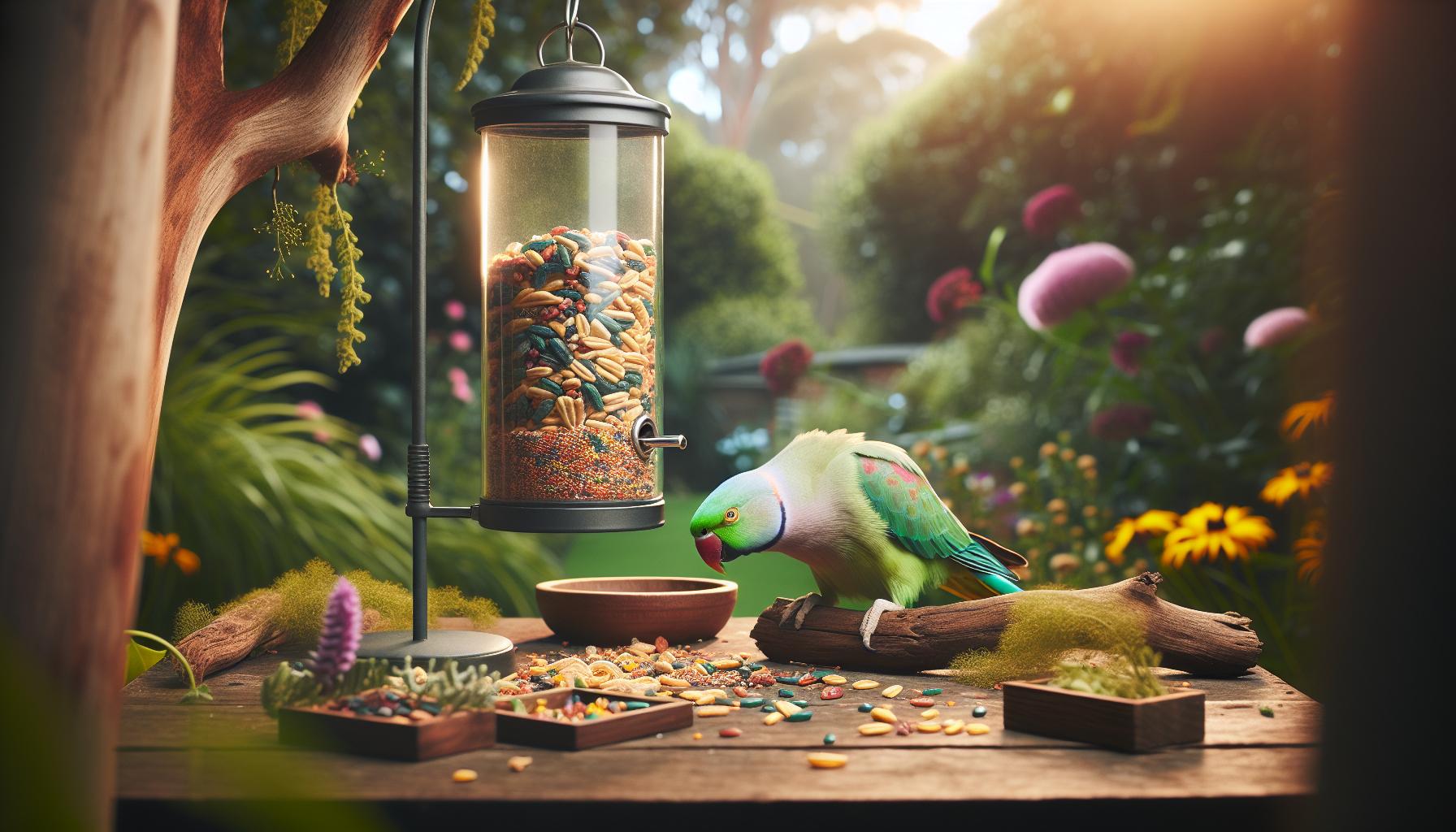
The Importance of Patience and Timing in Catching
Recovering a wandering parakeet can be as much an art as it is a science, with patience and timing playing crucial roles in your success. In the world of bird behavior, parakeets-like many animals-often require a gentle approach, especially when navigating an unfamiliar environment. These lively birds are inherently curious but can also be quite skittish when they find themselves outside their safe zones. Understanding their behavior is key to formulating an effective strategy to bring them back home.
When you first realize your parakeet is missing, resist the urge to rush out and frantically search for it. Instead, take a moment to assess the environment. Parakeets are more likely to return if they feel safe and unthreatened. This is why it’s beneficial to wait a bit before launching into a full search. Keeping your noise levels down and allowing the bird time to realize it’s missed can make a significant difference. They’ll often return on their own accord if they hear familiar sounds or feel the pull of their established territory.
Timing can also influence your catch rate. Parakeets are most active during dawn and dusk, which means these are prime times for encouraging their return. If you’re planning to set up any lures or call to your bird, try doing so during these early or late periods when they naturally start foraging or vocalizing. Creating a quiet, inviting space with familiar features-such as their cage or toys-during these times may significantly increase your chances of drawing them back.
Ultimately, having patience not only supports your parakeet’s return but also enhances your relationship with them. It shows that you understand their needs and can provide a calm environment that welcomes them back home. Remember that your feathered friend may need some time to feel safe again-offer loving patience, and they will likely respond positively.
Safety Considerations for Your Parakeet and You
When your parakeet has taken flight into the great unknown, maintaining safety for both you and your little companion is paramount. Not only do you want to ensure that you can safely recapture your bird, but you also want to create an environment that minimizes risks for your parakeet during its escapade. Most importantly, remember that parakeets can easily become frightened and disoriented, so your demeanor during the recovery effort can greatly influence their behavior.
Start by conducting a risk assessment of your home and surrounding area. Identify potential hazards, such as:
- Open windows and doors that could lead to further escapes.
- Areas where the parakeet might land inappropriately, like near stairs or on high ledges.
- Crowded areas with pets or people that could startle or chase the bird.
- Electrical wires or sharp objects that may pose a danger.
As you search for your parakeet, use a calm and quiet approach. Suddenly loud noises or frantic movements can scare the bird away or cause it to fly into dangerous spaces where recovery may become complicated. If you have other pets, secure them in another room to prevent any stress or injury to your parakeet.
Utilize resources like familiar food and toys that evoke a sense of comfort, creating a calming influence rather than a stressful one. Keep in mind that your parakeet may be perched somewhere nearby or hiding in a familiar spot. Check frequently used resting locations, as they often seek solace in areas where they feel secure.
Remember, your own safety is equally important. If your search takes you outdoors, wear appropriate footwear, and monitor your surroundings. Always be aware of any high places you may need to reach, and consider using binoculars or a gentle voice to call your pet back to a safe area without causing alarm. By taking these precautions, you create a safe atmosphere conducive to a successful reunion-with a little patience, your feathered friend will often find its way back to you!
Training Techniques to Prevent Future Escapes
Creating a secure environment for your parakeet is just one part of a successful pet ownership experience; equipping them with the skills to avoid escape attempts is equally vital. Training your parakeet not only enhances your bond but also helps them feel more comfortable in their surroundings. Surprisingly, the right training techniques can greatly reduce the likelihood of future escapades.
One effective method is positive reinforcement, which involves rewarding your parakeet for desired behaviors. Begin with simple commands such as “come” or “step up.” Use treats like their favorite seeds or fruits when they respond correctly. Not only does this strengthen your communication, but it also promotes their confidence when interacting with you. You might consider incorporating short, engaging play sessions outside the cage that allow your parakeet to explore safely while being supervised, reinforcing their trust in you as a safe guide.
Another strategy involves environmental training, where you gradually introduce your parakeet to different areas of your home. Start with just one room, allowing them to explore within a controlled space while you supervise. Over time, you can gradually increase their freedom to explore more spaces, ensuring that you always provide a safe environment. This method helps them familiarize themselves with their surroundings and can make them less likely to panic and flee if they sense an opening.
Moreover, create a stimulating environment within their cage to keep them engaged. Providing a variety of toys, perches at different levels, and opportunities for foraging can reduce boredom, which is often a cause of escape attempts. If your parakeet is regularly entertained and stimulated, they will be less inclined to seek adventure outside their cage.
Finally, consider establishing a routine where your parakeet is gently trained to return to their cage on command. Use a specific phrase or sound to signal them at meal times or play periods, gradually encouraging them to associate that cue with safety and feeding time. This consistency will help your parakeet develop a sense of security and make it less likely for them to dart for the door when given the chance. The key is patience; with time and consistent practice, you’ll not only decrease escape attempts but also enhance your relationship with your parakeet.
Post-Capture Care: Comforting Your Parakeet
After the intense experience of capturing your parakeet, it’s essential to ensure their comfort and well-being to help them readjust. Birds, particularly parakeets, are sensitive creatures, and the stress from their brief adventure can impact their mood and health. Providing a nurturing environment and attentive care can greatly aid in their recovery and help reinforce your bond.
First, assess your parakeet’s physical state upon their return. Look for any signs of distress such as ruffled feathers, rapid breathing, or unusual behavior. If they appear to be in good shape, gently return them to their cage, but allow them some quiet time to recuperate. A dimly lit room with minimal noise can create a calming atmosphere. You could also drape a light cloth over part of the cage to provide a sense of security while still allowing them to see their familiar surroundings.
Next, reintroduce your parakeet to their favorite treats slowly. After the stress of their escape, they may not immediately return to their normal eating habits. Offer a variety of safe, enticing foods such as fresh fruits, vegetables, or seed mixes to encourage them to eat. Hydration is equally important, so ensure they have access to fresh water. You might find that they are more inclined to eat if you engage them with soft talking or gentle whistling, as your voice can be a source of comfort.
Consider the importance of interaction post-capture. While it may seem tempting to give them space, gentle interaction can help reassure your parakeet. Spend time nearby, talking softly or reading aloud, and offer them toys or perches to explore. Engaging them in light play, such as offering a favorite toy or encouraging simple tricks, can serve as a distraction and reaffirm your role as a positive influence in their life. Remember, patience is key; allow them to approach you when they feel ready.
Finally, observe your parakeet for any behavioral changes in the days following their return. It’s not uncommon for them to exhibit signs of stress or anxiety, which could manifest as feather plucking or increased vocalization. If these behaviors persist, consider consulting with an avian veterinarian or a bird behaviorist for professional advice tailored to your parakeet’s specific needs. Your attentive care and understanding will guide them back to their usual, vibrant self.
Preventive Measures: Securing Your Home for Birds
Creating a safe environment for your feathered friends is crucial to preventing escapes and ensuring their well-being. Parakeets are naturally curious and love to explore, which can sometimes lead to unintended flight adventures. To secure your home for your parakeet, start by identifying and addressing potential escape routes. Parakeets can easily squeeze through small openings, so ensure that windows and doors are tightly closed when your pet is out of its cage. Use secure screens on open windows and check that all external doors close fully without gaps.
Another effective preventive measure is to establish designated “bird-free” zones within your home. This means limiting access to areas with multiple openings, such as corridors or entryways, where a parakeet could fly out unnoticed. Additionally, avoid leaving windows and doors ajar, especially during warmer months, when you’d like fresh air but your parakeet might see an open window as an invitation for exploration. Placing your bird’s cage near the center of your living space can help keep them occupied and reduce the desire to escape.
Creating a Safe Living Space
It’s essential to create an environment that satisfies your parakeet’s social and physical needs while minimizing their urge to escape. Ensure their cage is adequately sized and engaging, filled with various toys, perches, and enrichment items. This not only keeps them entertained but also dissuades them from wanting to find excitement outside their cage. Regularly rotate toys to continue stimulating their interest.
Consider using outdoor time wisely as well. While it’s important for your parakeet to enjoy fresh air, do this in a controlled manner. Opt for a bird-safe outdoor aviary or a well-secured balcony where they can be in a safe, enclosed space. If allowing flight time indoors, ensure that all escape routes are secured, and supervise the bird closely.
Finally, training your parakeet can play a significant role in preventing future escapes. Teaching them to return to their cage on cue not only keeps them safe but also strengthens your bond. Reward them with treats or affection for following your commands, reinforcing the behavior you want. By focusing on these preventive measures, you create a safer environment that supports your parakeet’s happiness and your peace of mind.
Exploring Alternative Solutions: Professional Help and Products
When a beloved parakeet makes an unexpected flight out of its cage, the situation can quickly escalate into a frantic search. In such moments, exploring professional help and using specialized products can provide invaluable support. Numerous tools and services can assist in safely recapturing your adventurous feathered friend, allowing for a smoother resolution to the situation.
One of the first options you might consider is engaging local bird rescue organizations or professionals who specialize in avian behavior and capture. These experts often understand parakeet behavior intimately and can offer specific strategies that align with your pet’s personality. They may also have access to specialized nets designed for bird capture that are gentle and less stressful for the animal, ensuring your parakeet’s safety throughout the recovery process. Local avian veterinarians might also provide guidance or assist in retrieving your missing pet, especially if they suspect your bird may have flown into a secluded or challenging location.
Additionally, there are several products available that can help in capturing a wandering parakeet more effectively. Bird-housing solutions, such as portable aviaries and collapsible cages, can be set up in the vicinity of your home’s exit points. These types of setups not only provide a safe space for your parakeet to explore but also make it easier to lure them back with familiar foods and toys. Creating an enticing atmosphere using their favorite treats can be highly effective; consider placing these items within the aviary to draw your parakeet closer.
An often-overlooked resource is your community. Utilizing social media platforms and neighborhood groups can be beneficial when searching for your lost parakeet. Posting clear pictures and descriptions can significantly expand your search efforts, garnering support from fellow bird enthusiasts who may have helpful advice or even assist in the search.
In essence, while DIY methods are valuable, combining them with professional assistance and specialized products can greatly enhance your chances of a safe and swift recovery. Emphasizing a supportive community approach, along with employing the right tools, ensures that both you and your parakeet can navigate this challenging situation with minimal stress.
Frequently asked questions
Q: How long can a parakeet survive outside?
A: A parakeet can survive a few hours to several days outside, depending on factors like weather and food availability. However, their chances of survival decrease significantly without shelter and food. It’s crucial to act quickly to recover your pet.
Q: What should I do if my parakeet flies away during training?
A: If your parakeet flies away during training, stay calm and try to locate them from a distance. Avoid chasing them as it may scare them further. Instead, use treats or their favorite toys to coax them back to you.
Q: Can I use a trap to catch my escapee parakeet?
A: Yes, using a humane trap can be effective for catching a wandering parakeet. Ensure the trap is baited with their favorite food and placed in a quiet, sheltered area where they frequent. Always monitor the trap to ensure their safety.
Q: What are the best times to search for a lost parakeet?
A: The early morning and late afternoon are ideal times to search for a lost parakeet. These are periods when birds are naturally more active and likely to call out, making them easier to locate.
Q: How can I make my home escape-proof for parakeets?
A: To make your home escape-proof, ensure all windows, doors, and vents are securely closed. Use screens on open windows and check for any holes or gaps where your parakeet could escape. Regularly inspect your home for potential escape routes.
Q: What lures can I use to attract a lost parakeet back home?
A: To attract a lost parakeet, use their favorite foods, such as millet or seeds, and play familiar sounds like their chirping or music they enjoy. Set up these lures outdoors at dusk, as parakeets are likely to return to familiar sounds right before nightfall.
Q: Why do parakeets escape, and how can I prevent it?
A: Parakeets may escape due to curiosity or fear. To prevent this, ensure they have enough stimulation in their environment, such as toys and interaction. Regular training can help them feel secure and less likely to flee when startled.
Q: What should I check for when my parakeet returns home?
A: Upon your parakeet’s return, check for any injuries or signs of stress. Also, ensure they are hydrated and offer their favorite food to help them adjust. Providing a quiet, safe space will help them recover from their adventure.
Key Takeaways
Thank you for exploring our “How to Catch a Parakeet: Escape Recovery Guide!” You’ve learned essential tips and techniques that can make a difference in reuniting with your feathered friend. Remember, acting swiftly is key-using the strategies discussed can lead to success during those crucial first hours. If you’re still unsure or have specific questions, feel free to check out our guides on parakeet behavior and care to bolster your knowledge.
For further insights, don’t miss our articles on creating the ideal parakeet habitat and understanding their social needs. These resources can help you become a better avian caretaker and improve your bond with your pets.
Join our community by signing up for our newsletter for exclusive tips and updates! By staying engaged, you’ll not only enhance your understanding of parakeets but also connect with fellow bird enthusiasts who share your passion. Let’s embark on this journey together-your parakeet’s safety is just a click away!